IEA: “Oil Market in Oversupply ... Peak in Q2 Next Year” IEA
- Input
- 2026-11-14 04:12:51
- Updated
- 2026-11-14 04:12:51
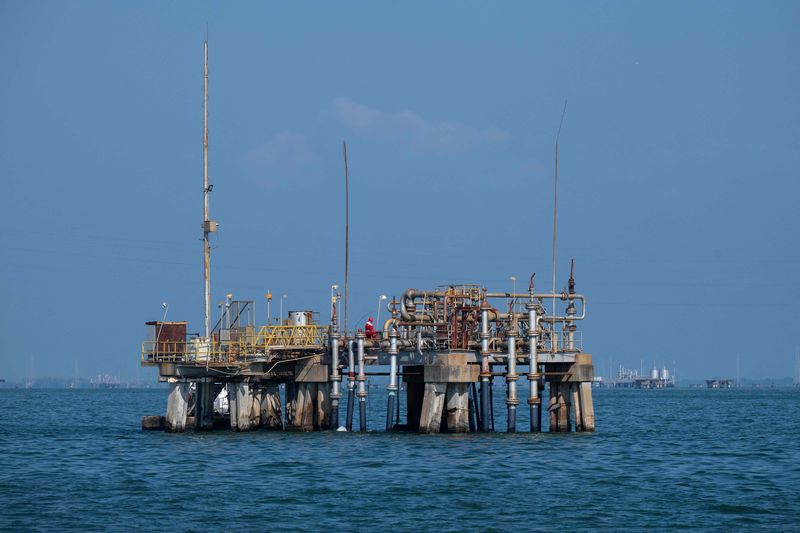
The IEA said on the 13th (local time) that the oil market had entered a state of oversupply for the first time since the Iran war.
In its monthly oil market report released that day, the IEA said October crude oil production exceeded consumption by nearly 2 million barrels per day. This reversed the excess demand, which had reached as much as 6.3 million barrels per day after the Iran war began on February 28. The IEA had previously warned that the war was causing “the largest supply disruption in history.”
“Biggest oversupply in seven years expected in Q2 next year”
Oil has returned to a state of oversupply thanks to a sharp rise in crude shipments from Gulf countries. Crude exports are increasing even as tankers continue to be hit in the Strait of Hormuz. Crude production is also rising in areas outside the Gulf. Oil consumption, meanwhile, is declining.
The IEA said in its report that “the oil market is showing tentative signs of rebalancing” and forecast that this momentum would continue through next year. The report projected that the surplus would reach 4.5 million barrels per day in the second quarter of next year, the largest quarterly oversupply in seven years.
Christyan Malek, founder of global energy investment firm Font Capital, said, “A kind of perfect storm has come together,” adding, “A large amount of supply is arriving all at once, while consumption is not recovering quickly enough to keep pace.”
The IEA expects oil demand to fall by 2.7 million barrels per day this year and not return to last year’s level by 2028. This is because oil-consuming countries have yet to recover from the supply shock at the start of the Iran war.
Moreover, production of refined products, which can drive actual crude oil consumption, is currently constrained. Iran has attacked refinery facilities in the Gulf and is blockading the Strait of Hormuz, preventing the smooth supply of refined products. Ukraine continues to strike Russian facilities. That is why supplies of refined products cannot increase even as crude oil supplies rise.
Refined-product prices remain elevated amid supply disruptions
As a result, international crude prices have fallen, but refined-product prices have barely budged. The front-month price of Brent crude, the benchmark for more than 80% of crude oil traded worldwide, has fallen from $136 a barrel in early October to around $95 now. However, prices for some petroleum products, such as jet fuel and diesel, remain elevated.
Professor Spencer Dale of the London School of Economics (LSE), formerly BP’s chief economist, said, “Even if crude oil prices remain weak for a period, the key issue is the shortage of refining capacity.” He added, “As long as supplies of petroleum products remain short, falling crude prices will not necessarily ease the pressure on the economy, households and businesses.”
Building up inventories
The crude oil surplus is expected to help countries replenish the strategic petroleum reserves (SPRs) they released early on.
JPMorgan Chase called the oil market’s return to oversupply “remarkable” in an analysis note. It added, “The message is clear: globally, the market has stopped drawing down inventories and has started building them up again.”
According to the IEA, observed oil inventories increased at an average rate of 1.7 million barrels per day last month, marking their first rise since June. They had fallen by 1.9 million barrels per day over the previous three months.
Inventory building appears to have continued this month. According to a Morgan Stanley analysis on the 12th, oil inventories rose by 11.8 million barrels last week.
However, analysts say it will still take considerable time to replenish all the global crude oil inventories released at the outset. Professor Dale said, “We should not overlook the fact that there was a shortfall of several million barrels a day for eight months.”
Saudi Aramco CEO Amin H. Nasser, head of Saudi Arabia’s state-owned oil company, said on the 3rd that rebuilding global inventories could take up to two years.
[email protected] Song Kyung-jae Reporter