India Ranks Second Worldwide in Russian Fossil Fuel Imports in October at a Record €6.4 Billion
- Input
- 2026-11-13 17:50:53
- Updated
- 2026-11-13 17:50:53
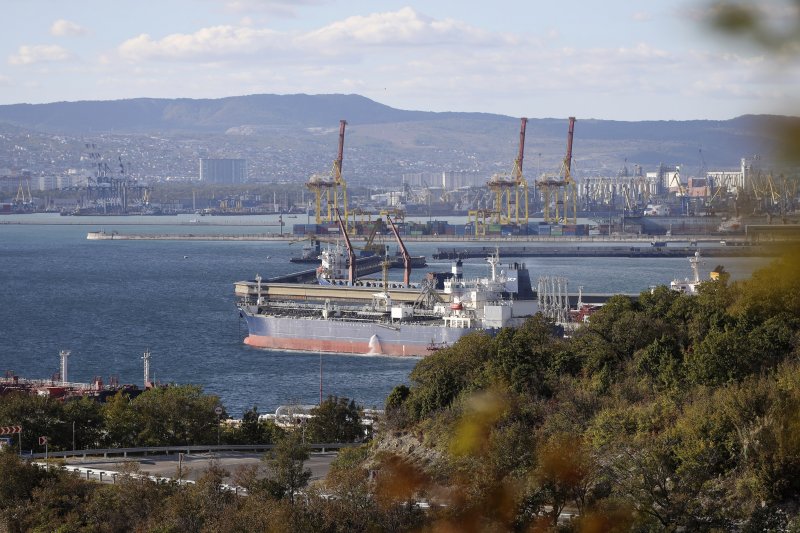
[New Delhi, India—Pragya Awasthi, correspondent] India imported Russian fossil fuels worth €6.4 billion (approximately KRW 9.4698 trillion) in October, making it the world’s second-largest buyer after China. Its monthly import bill was the highest since the relevant statistics began being compiled in January 2022.
According to a monthly analysis report released on the 13th by the Centre for Research on Energy and Clean Air (CREA), India’s imports of Russian fossil fuels totaled €6.4 billion in October. Crude oil accounted for €5.8 billion (approximately KRW 8.582 trillion), or 91% of the total, while coal imports came to €333 million (approximately KRW 492.7 billion) and petroleum products to €232 million (approximately KRW 343.2 billion).
India’s increased imports of Russian crude oil have also drawn attention in connection with sanctions against Russia. According to CREA, refineries in India, Turkey and Brunei Darussalam exported petroleum products worth a total of €1.6 billion (approximately KRW 2.3682 trillion) in October to countries participating in sanctions against Russia, including the EU, the United States, Australia and New Zealand. In particular, 10 of the 12 vessels carrying the products that arrived at EU ports had departed from India’s Jamnagar refinery. CREA said that €389 million (approximately KRW 575.7 billion) worth of products exported by these refineries had been made using Russian crude, and that export volume to countries participating in the sanctions had risen 21% from the previous month.
Russia’s fossil fuel export revenues in October averaged €754 million per day (approximately KRW 1.1159 trillion), up 14% from the previous month and the highest level since December 2022. China was the largest buyer, at €10.7 billion (approximately KRW 15.8367 trillion), followed by India at €6.4 billion, the EU at €2.2 billion (approximately KRW 3.2565 trillion), Turkey at €1.1 billion (approximately KRW 1.6286 trillion), and South Korea at €488 million (approximately KRW 722.5 billion).
CREA analyzed that Russia’s export revenues also increased as the energy crisis surrounding the Strait of Hormuz pushed up international oil prices. In October, Russian Urals crude averaged $101.70 per barrel (approximately KRW 130,000), more than twice the EU and UK price cap of $44.10 (approximately KRW 50,000).
Of the volume of Russian crude shipped by sea in October, 60% was carried by tankers in the so-called “shadow fleet,” which is subject to sanctions. The remaining 37% was transported by vessels owned or insured by companies in G7 and partner countries. CREA estimated that lowering the crude oil price cap to $30 per barrel and rigorously enforcing it could have reduced Russia’s seaborne crude export revenues in October by 21%.
[email protected] Pragya Awasthi, correspondent Reporter