U.S. Democrats Near 56 Senate Seats... Biggest Gains in 40 Years
- Input
- 2026-11-14 04:29:00
- Updated
- 2026-11-14 04:29:00

[Financial News] Democrats are looking to secure 56 Senate seats after making major gains in the 2026 midterm elections. They are expected to achieve their biggest electoral gains in 40 years.
After winning in Mississippi, a Republican-leaning state, on the 11th (local time), Democrats are also leading in Alaska. 56 Senate seats are within reach.
In Alaska, Democratic candidate Mary Peltola is leading and widening her margin over incumbent Republican Senator Dan Sullivan. The Alaska results will be announced on the 18th after the final count under the ranked-choice voting system.\u00a0\u00a0
If the Democrats’ victory is confirmed in Alaska as well, the 2026 midterms will go down as the most significant Democratic electoral gains in recent decades.
The 2026 midterms reshaped the U.S. political landscape.... Republican-leaning states shift to Democrats

This midterm election has reshaped the U.S. political landscape. One after another, even states that President Donald Trump won by double-digit margins in the 2024 presidential election have shifted to the Democrats.
In Mississippi, long considered a Republican stronghold, Democratic candidate Scott Colom defeated incumbent Republican Senator Cindy Hyde-Smith. Hyde-Smith accepted the results of the count on the 11th and conceded defeat.
If Democrats also win in Alaska, their Senate seats will rise to 56, including independent senators who work with Democrats, such as Bernie Sanders of Vermont and Angus King of Maine.
That would be a gain of nine seats over the current total, matching the record for the largest increase in Senate seats in a single election since 1980. Republicans also gained nine seats in the 2014 midterms.
With 56 seats, Democrats would have the second-largest majority won by either party since 1994. The only larger total was the 60 seats Democrats held briefly during the 2008 presidential election, when former President Barack Obama was elected.
If Democrats also capture Alaska, they will flip all seven states—Alaska, Iowa, Kansas, Mississippi, Ohio, South Carolina and Texas—where President Trump won by at least 11 percentage points in the 2024 presidential election.
This would be the biggest shift in the electoral landscape since the 1986 midterms. At the time, Democrats reclaimed eight states where former President Ronald Reagan had won by double-digit margins in the 1984 presidential election.
However, former President Reagan had overwhelming support at the time, winning by double-digit margins in 42 of the 50 states. That is why Democrats’ regaining the seven states Trump won by double-digit margins in the 2024 presidential election is considered relatively more noteworthy.
Colom’s Mississippi blue tsunami... a Republican bedrock stronghold where Trump won by 23 percentage points in the 2024 presidential election
Colom’s victory in Mississippi is a particularly striking example of Democratic gains. Trump won the state by 23 percentage points in the 2024 presidential election, and it has been one of the hardest states for Democrats to flip in recent decades.
The only instance of a larger-margin reversal was in Illinois in 2010. Former President Barack Obama had won the state by 25 percentage points in the 2008 presidential election, but Republican candidate Mark Kirk won a Senate seat in the 2010 midterms.
The Democrats have also greatly expanded the range of states where they hold Senate seats through this election. If they win Alaska as well, eight of the nine seats they gain will come from states that previously had no Democratic senator. This would give them at least one senator in 33 states, about two-thirds of all 50 states.
Republicans tend to be strong in vast, sparsely populated rural areas, while Democratic supporters are concentrated in relatively smaller, densely populated urban areas.
Democrats hold Senate seats in 33 states, two-thirds of all 50 states
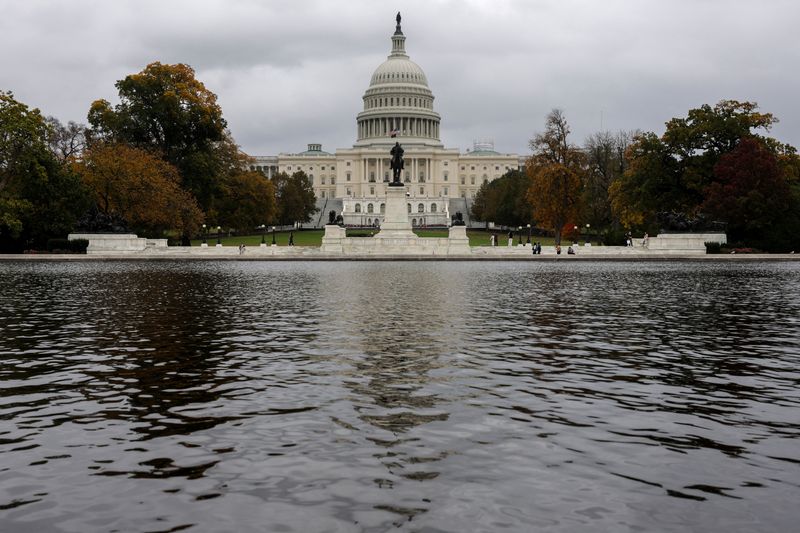
This victory is expected to benefit Democrats in future contests for control of the Senate. With 56 seats, they can wield greater influence in the legislative process and have room to retain their majority even if they lose some seats in the next election.
In the 2028 Senate elections, Republicans may have to target Democratic strongholds to regain the majority. They could seek wins in Arizona, Georgia, Nevada, Ohio and Pennsylvania, but even if they capture all of these states, they would need additional victories in Democratic-leaning states such as New Hampshire.
Owen Winter, a political data journalist at The Economist, said this electoral landscape would be the most favorable Senate map for Democrats since 1996. Republicans have typically been able to seek a majority simply by winning in their strongholds, but going forward they will also face the challenge of winning in Democratic strongholds.
Of course, this election result does not guarantee long-term Democratic dominance. There are still more states where support for Republicans is stronger than support for Democrats, and recent elections have repeatedly seen voters switch their allegiance between the two parties.
[email protected] Lee Seok-woo, International Affairs Correspondent Reporter