Yu Hong-jun 'Self-Registers' Wall Around His Home as National Cultural Heritage ... Controversy Over Designation During His Tenure as CHA Chief
- Input
- 2026-11-13 13:48:49
- Updated
- 2026-11-13 13:48:49
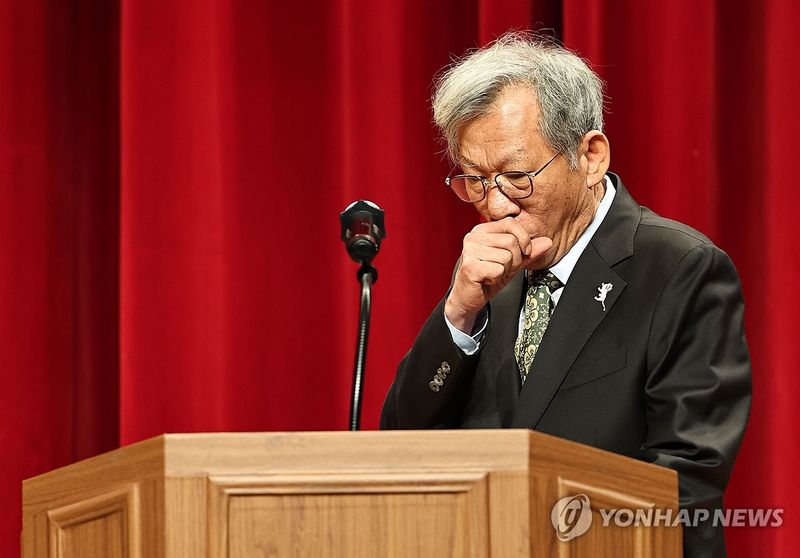
[Financial News] Controversy has erupted after it belatedly emerged that Yu Hong-jun, 77, the former director of the National Museum of Korea who stepped down last month amid controversy over an exhibition of calligraphy by pro-Japanese collaborators, registered the wall around a home in Buyeo County, South Chungcheong Province, as national heritage (a National Registered Cultural Heritage) while serving as head of the Cultural Heritage Administration (now the Korea Heritage Service).
According to The Chosun Ilbo, News1 and other outlets on the 13th, Yu designated the 'Old Walls of Bangyo Village, Buyeo' (about 2.5 km) in Bangyo-ri, Oesan-myeon, Buyeo County, South Chungcheong Province, as National Registered Cultural Heritage No. 280 on December 4, 2006, while serving as head of the Cultural Heritage Administration.
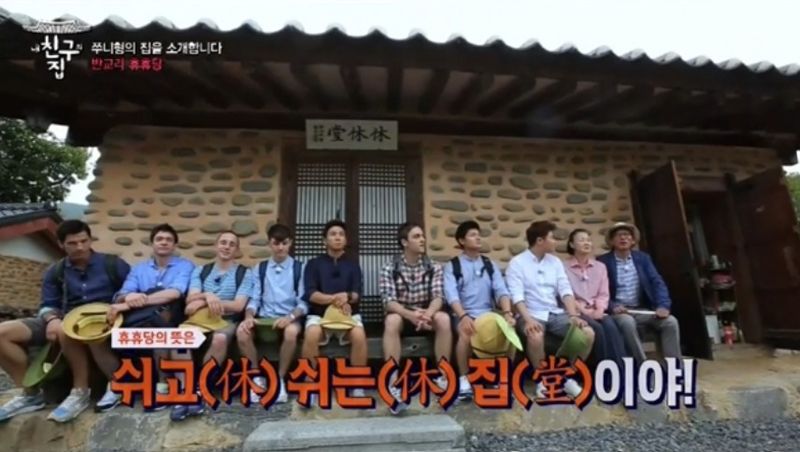
The site at the center of the controversy is the wall around Yu’s home, 'Hyuhyudang,' which lies within this stretch. In 2006, Yu made Buyeo his 'second home' and acquired Hyuhyudang to practice the five-days-in-the-city, two-days-in-the-country lifestyle—spending five days a week in the city and two in the countryside.
The wall around Hyuhyudang was designated a National Registered Cultural Heritage just two months after the house was completed. Yu served as head of the Cultural Heritage Administration from September 2004 to February 2008. He also expressed his particular affection for the house in his book *My Cultural Heritage Travelogue* and on television.
According to the minutes of a Cultural Heritage Committee meeting in September 2006, which the office of People Power Party lawmaker Jo Eun-hee obtained from the Korea Heritage Service, the applicant listed at the time for pursuing registration of the 'Old Walls of Bangyo Village, Buyeo' was the 'Cultural Heritage Administration chief.' The agenda also included old walls from six locations around the country, including those in Bangyo Village, Seolchon's village in Jeju, and Sangseo Village on Cheongsando, Wando.
After the registration application was submitted, three relevant experts inspected the site in Bangyo Village, Buyeo, and offered their assessments: 'It is a distinctive cultural asset that clearly shows traditional wall styles and structures and has historical and cultural heritage value'; and 'There are few registered cultural heritage stone walls in the Chungcheong region, so this should be preserved.' The final registration followed deliberation by the Cultural Heritage Committee, based on these assessments.
The issue is that a public official was involved, while in office, in the process of registering as national cultural heritage an area that included the wall around his own home. Critics say this raises the possibility of a conflict of interest, since it is difficult to rule out the possibility that private interests influenced the exercise of public authority.
An official with the Modern and Contemporary Heritage Division of the Korea Heritage Service told News1 that day, 'Even before the stone-wall path in Bangyo Village, Buyeo, was registered as a National Registered Cultural Heritage, there had long been calls for national-level protection to prevent damage to it, as it is heritage that reflects the everyday lives of local people.' The official added, 'At the time, registration was pursued at the discretion of the Cultural Heritage Administration chief, so it is true that former chief Yu was listed as the applicant.'
The official continued, 'At the time, we registered not only the old walls in Bangyo Village, Buyeo, but also disused railway stations such as Hwarangdae Station in Seoul after conducting blanket ex officio investigations. The applicant then was also the Cultural Heritage Administration chief.'
Earlier, Yu submitted calligraphy works from his personal collection to a recent special exhibition at the National Museum of Korea, presenting them as the work of patriot Park Won-geun. After it emerged that they were actually by Pak Chungyang, a pro-Japanese collaborator who committed anti-national acts, the ensuing controversy led Yu to resign as museum director last October, 15 months after taking office.
[email protected] Kim Hee-sun Reporter