“We’ll Give You a Military Construction Job” ... ‘Vietnam No-Show Scam Ring’ Targets Small Businesses
- Input
- 2026-11-13 12:00:00
- Updated
- 2026-11-13 12:00:06
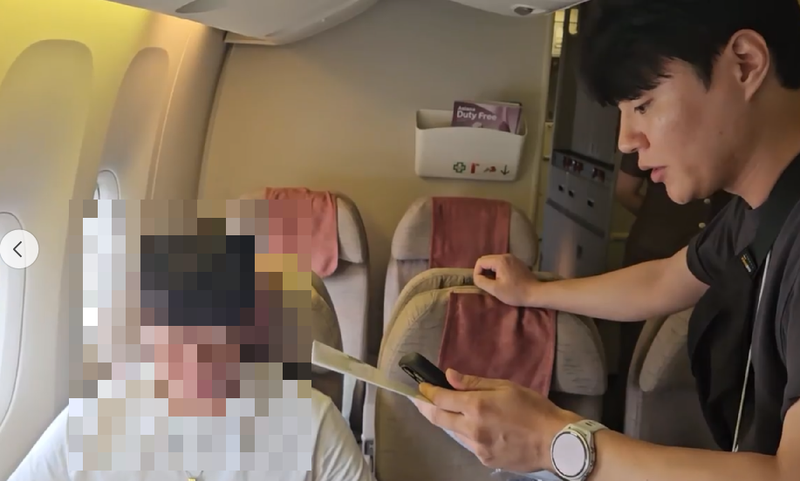
On the 13th, the Phishing Fraud Investigation Division of the Financial Crime Investigation Unit, Metropolitan Investigation Unit, Seoul Metropolitan Police Agency, said it had referred all nine members of a ring based in Ha Long City, Vietnam, to prosecutors in custody on charges including forming a criminal organization and fraud.
They are accused of approaching domestic construction contractors between November last year and June this year while posing as military unit officials and asking them to “buy construction materials on our behalf from another company.” There were 62 victims, and total losses amounted to 1.55 billion won.
The members approached victims by offering them military facility construction projects worth tens of millions of won, then said, “Military units have to use designated materials,” and had them buy materials in advance from a particular company. They falsely promised to pay later, but after victims wired the material costs, a company set up by an accomplice received the money and disappeared.
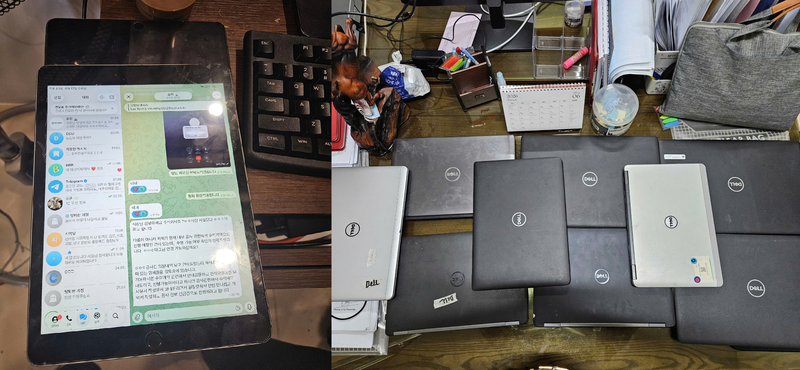
From October last year through September this year, no-show scams accounted for 6,710, or 33%, of the 20,245 reports of new types of phishing filed nationwide. In Seoul, 2,219 of the 7,502 reports of new types of phishing—about 30%—were also classified as no-show scams. Most victims were small-business owners, including those in the equipment and logistics sectors.
The most common method is “proxy purchasing.” Scammers approach victims as if they are going to sign a legitimate construction or supply contract, then get the victimized business to buy goods it does not carry from a particular company on the scammers' behalf. They also impersonate existing business partners or use a construction contract as bait to demand purchases of construction materials.
Another method involves impersonating government agencies. Scammers send forged official notices in the name of fire stations, public health centers, or local governments to announce an administrative inspection, then claim they will reimburse the cost if the recipient buys fire extinguishers or water-quality monitoring equipment from a particular company. Police also identified cases in which victims were induced to buy goods in exchange for paying customs or shipping fees upfront, or on the promise of future business.
From the establishment of the Phishing Fraud Investigation Division in October last year through October this year, police apprehended 633 phishing suspects and took 221 into custody. They apprehended 220 people across 25 overseas phishing organizations, and 144 people across 19 domestic phishing organizations involved in investment advice chat rooms and money laundering, among other activities.
A police official said, “No-show scammers deceive victims with elaborate scenarios, regardless of whom they target,” adding, “As their methods continue to evolve, people should stay alert, bearing in mind that they too could be targeted at any time.”
[email protected] Choi Seung-han Reporter