One Person Made 5,547 Prank Calls to 119 in a Year...Seoul City Files Criminal Complaints Against Five Repeat Callers
- Input
- 2026-11-13 09:33:19
- Updated
- 2026-11-13 09:33:19
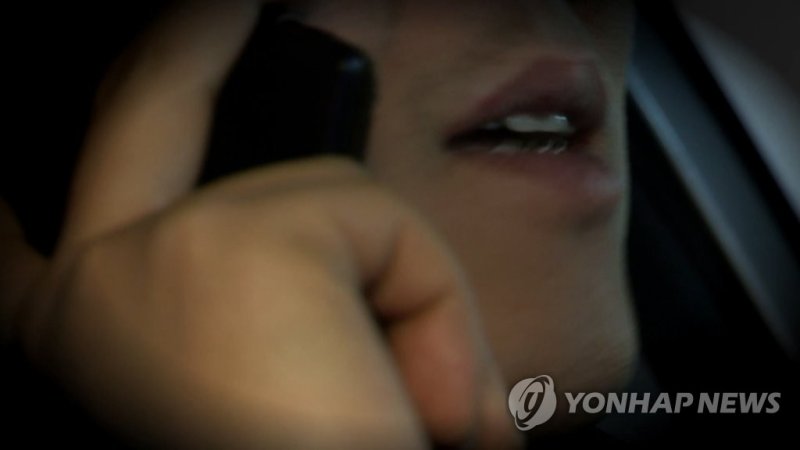
[Financial News] Seoul has launched legal action against habitual callers who repeatedly made thousands of non-emergency reports to the 119 emergency operations center.
The Seoul Metropolitan Fire and Disaster Headquarters said on the 13th that it had filed criminal complaints against five habitual callers whose repeated reports had severely disrupted normal situation-management operations. The headquarters received a total of 8,710 repeat reports to 119 over the past year, from September last year through August this year.
The individuals reported this time made as many as 4,034 reports in just the past three months, from June through August this year. They reportedly continued making reports with the same or similar content despite the Seoul Comprehensive Disaster Prevention Center sending multiple warning texts and asking them to stop.
Earlier, the Seoul Comprehensive Disaster Prevention Center obtained and analyzed the report records of the 10 people who had made the most reports unrelated to 119’s core duties over the past three months, examining the content, number and frequency of the reports.
Based on this, the center sought legal advice from the Fire and Disaster Headquarters’ Judicial Police Team and reviewed whether the reports were intentional and whether they could constitute obstruction of official duties or business under criminal law.
In the process, the city excluded from consideration for criminal complaints cases involving simple day-to-day concerns raised by elderly people with impaired judgment, as well as cases that could have involved equipment defects, such as a malfunctioning mobile phone. It then sent the remaining individuals multiple warning texts telling them to stop making repeat reports, but filed criminal complaints against five who continued and disrupted the situation room’s operations.
Among the five people reported, the highest individual totals were 2,661 phone calls and 2,886 text messages, respectively. The highest combined total of calls and texts was 5,547, according to the tally.
Their main types of reports included “calling and then remaining silent without responding,” “indiscriminately sending photos completely unrelated to disasters or emergencies,” “rambling incoherently,” and “asking for help getting home while heavily intoxicated.”
Fire authorities warned that repeated non-emergency or malicious reports with identical or similar content could overload the 119 emergency operations center’s regular call-receiving lines and leave gaps in the response to actual emergencies.
This is because the unnecessary use of limited call-taking staff and field response resources creates a significant risk of missing the golden hour for fires, accidents and emergency patient transport—matters directly linked to citizens’ lives and safety.
The Seoul Comprehensive Disaster Prevention Center plans to continue responding with zero tolerance to conduct that hinders the normal functioning of the 119 emergency operations center, taking into account the content and frequency of reports, whether they were intentional, and their adverse effects on situation-management operations.
Hong Yeong-geun, head of the Seoul Metropolitan Fire and Disaster Headquarters, stressed, “The 119 emergency operations center is the most important starting point for emergency response to protect citizens’ precious lives and safety, and its normal operations must never be disrupted by unnecessary repeat reports. I ask citizens to actively cooperate in establishing a mature and responsible 119 reporting culture so that help from 119 can quickly reach neighbors in urgent situations.”
[email protected] An Ga-eul Reporter