After 8 Years of Waiting, Sale Prices Are Up 40%... Is Applying for a 3rd-Generation New Town Still an Opportunity? [Jip Nawara Ttukttak!]
- Input
- 2026-11-14 06:00:00
- Updated
- 2026-11-14 06:00:17
People without homes who have been waiting to win a housing application are growing increasingly concerned. They do not know how much further prices may rise, and it could still be several years before they can actually move in. So, is it still worth applying for a home in a 3rd-generation new town? Or would it be better to buy an existing apartment in Seoul or the Seoul metropolitan area?
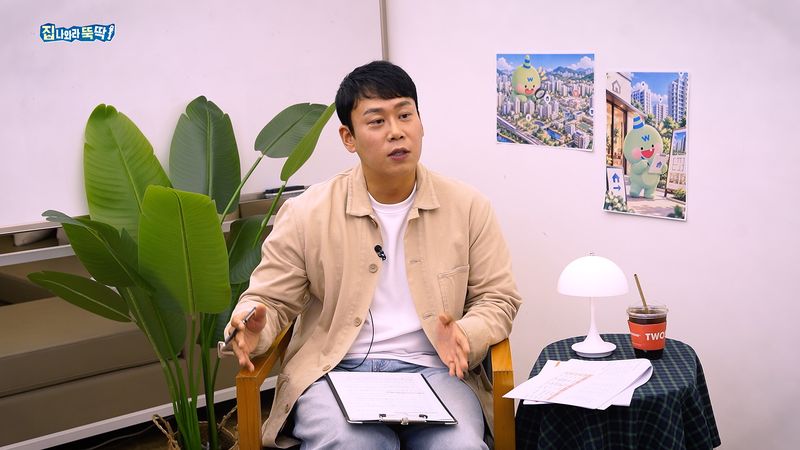
On the 14th, the YouTube channel “Jip Nawara Ttukttak” invited housing application expert Park Ji-min, head of the WolYong Subscription Research Institute, to discuss the locations and sale prices of the 3rd-generation new towns, as well as application strategies for young people.
■ First Residents Set to Move In After 8 Years... Why Have Sale Prices Risen 40%?
Of the 3rd-generation new towns, the A2 and A3 blocks in Incheon’s Gyeyang District are scheduled to welcome their first residents at the end of this year. However, land development and housing supply are still underway in other districts, so it is expected to take considerable time to complete the new towns as a whole.
Park cited land compensation, the construction of infrastructure, and design and safety reviews as factors behind delays to the 3rd-generation new town projects. He explained that rising raw material and labor costs, along with higher financing costs resulting from longer construction periods, had combined to push up sale prices.
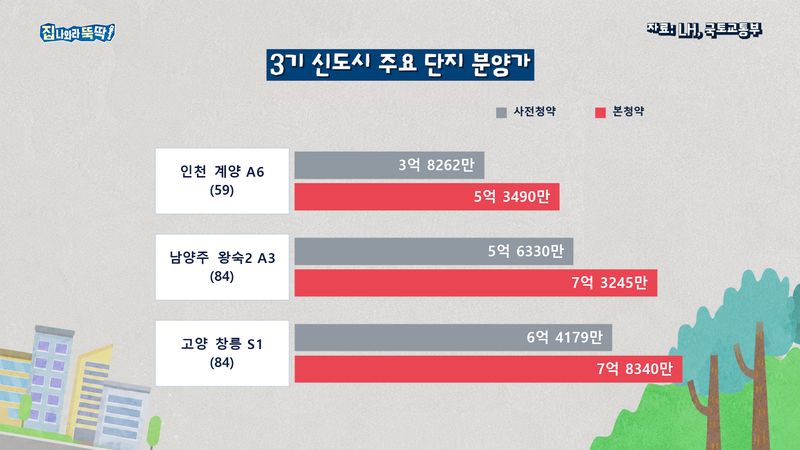
The sale price of an 84-square-meter unit in block A3 of Namyangju Wangsuk 2 rose from about 560 million won at the pre-application stage to around 730 million won in the main application. The price of an 84-square-meter unit in block S1 of Goyang Changneung also rose from about 640 million won to around 780 million won.
■ Wangsuk, Changneung, Gyosan, Daejang, Gyeyang... Which Is the Most Promising?
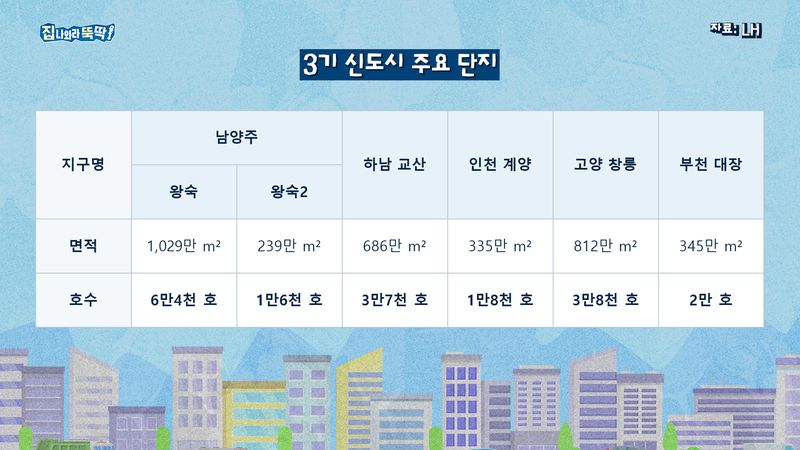
Park said Hanam Gyosan New Town may be relatively attractive to people commuting to the Gangnam and Jamsil areas of Seoul, while Goyang Changneung may appeal more to those working in Yeouido and Mapo.
He explained, “At first, I saw Goyang Changneung and Hanam Gyosan as being about equal. I thought they were the best locations because they are physically the closest to Seoul,” adding, “People commuting to Yeouido will probably like Changneung, while those commuting to Gangnam or Jamsil will naturally prefer nearby Gyosan.” Taking recent market conditions into account as well, he rated Hanam Gyosan somewhat more favorably.
He also identified Bucheon Daejang and Incheon’s Gyeyang District as areas worth considering for people working in western Seoul, including in Magok and around Gimpo International Airport.

Another piece of advice was to consider the timing of supply, sale prices and location together, rather than insisting on a particular area or apartment complex.
Park said, “There’s no need to wait just because a good complex is scheduled to launch later,” adding, “Rather than waiting for a specific block or district, I think it’s better to apply in sequence for the homes that go on sale first.”
■ Even a Housing Application Expert Says, “Don’t Wait—Buy a Home”... What Should Young People Do?
Young people in their 20s and 30s who have not paid much into their housing subscription accounts have little choice but to consider their chances of winning. Public and private housing sales differ in their supply types and methods for selecting winners, so it is important to find the option that best suits each applicant.
Park said, “The system makes it difficult for young people to win,” adding, “There are two problems: first, they don’t have enough money, and second, sale prices are high.”
However, single young people and newlyweds may still have a chance to win by using special supply programs and lotteries that match their circumstances. The head of the institute emphasized that young single people should carefully review the available application types, saying, “In private housing sales, the first-time homebuyer special supply allocates units of 60 square meters or less to single-person households.”
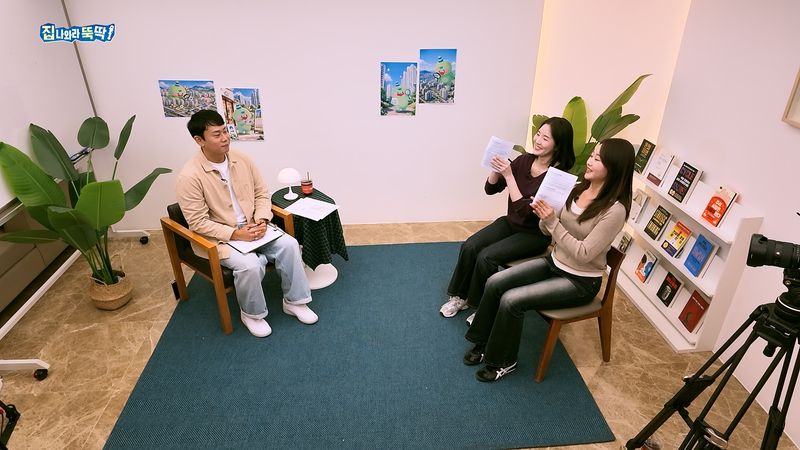
He added that the decision should depend not only on the amount of money available but also on income and the ability to repay a loan. Applicants should calculate in advance whether they can cover the initial deposit, interim payments and final balance, even if they win a housing application.
More details—from comparisons of the locations of major 3rd-generation new town districts to strategies for young people and newlyweds hoping to win a housing application, and advice for people without homes weighing whether to wait for an application or buy an existing apartment—are available on the YouTube channel “Jip Nawara Ttukttak!”

[email protected] Choi Ga-young Reporter