‘Homegrown Brandy’ Made From Daejeon Grapes Targeted for Launch Next Year
- Input
- 2026-11-13 09:15:12
- Updated
- 2026-11-13 09:15:12
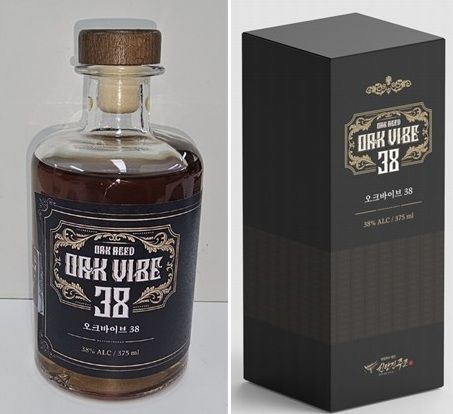
The Daejeon City Agricultural Technology Center said on the 13th that it is working to commercialize brandy made with local agricultural products through the Rural Development Administration’s pilot project on brandy production technology using high-alcohol fermented beverages. The project, being carried out in cooperation with the Technical Support Division of the Rural Development Administration’s National Institute of Horticultural and Herbal Science, was designed to secure farm-scale brandy-making technology in anticipation of an expanded scope for regional specialty liquor, raise the added value of local agricultural products, and create a foundation for new sources of farm income.
Shintanjin Distillery, an agricultural corporation participating in the pilot project, has succeeded in developing a brandy prototype (product name: ‘Oak Vibe 38’) using Campbell Early grapes grown in Daejeon and yeast developed in-house by the Rural Development Administration.
Last September, the company conducted two rounds of aroma and taste tests and preference evaluations with 10 general consumers and 13 food-service industry workers. The product received positive responses for its clean taste, subtle fruity aroma and smooth finish. Areas identified for improvement included enhancing the richness of its aroma, differentiating it from other products, and strengthening its packaging design and marketing strategy. Drawing on its accumulated experience and expertise in traditional liquor production, Shintanjin Distillery plans to incorporate consumer feedback from the evaluation into product refinement and is pressing ahead with commercialization, aiming for an official launch next year.
Farms in major grape-producing areas such as Sannae in Daejeon have long been considered vulnerable to price fluctuations caused by weather conditions and gluts, because their produce is sold mainly as fresh fruit. Campbell Early, one of Korea’s leading grape varieties, has excellent sweetness and acidity but poor storage life, making the development of processed products an urgent task. Brandy, made by fermenting and distilling grapes, has far greater added value than the raw fruit and can be aged for a long time. It is expected to offer a practical solution to the problem of handling nonmarketable grapes and help local grape-growing farms secure stable sales channels.
Lee Hyo-suk, director of the Daejeon City Agricultural Technology Center, said, “Through this project, we are exploring a range of new ways to use local agricultural products.” She added, “By developing high-quality products that reflect consumer feedback, we will increase the added value of agricultural products and further strengthen the competitiveness of Daejeon’s regional specialty liquor industry by expanding the use of farm-scale brandy-making technology.”
[email protected] Kim Won-jun Reporter