Korea Zinc loses first-instance ruling on annulment of shareholder meeting resolutions... “Will appeal immediately”
- Input
- 2026-11-12 19:09:21
- Updated
- 2026-11-12 19:09:21
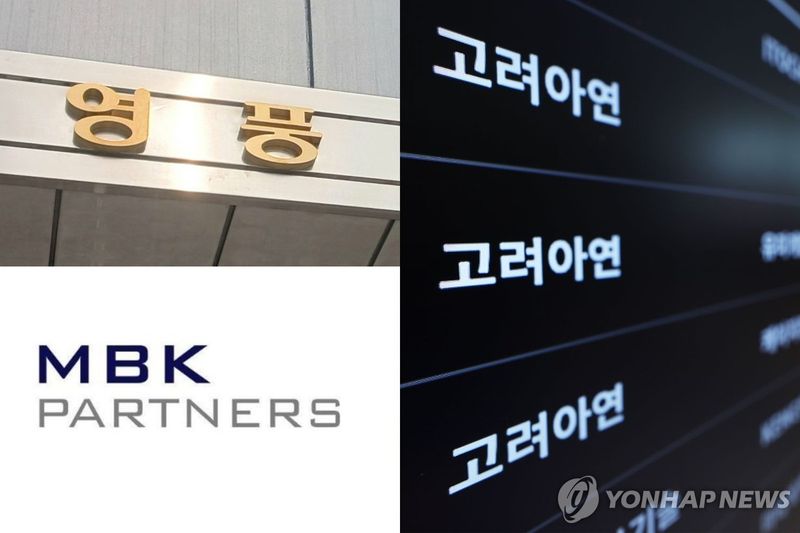
[Financial News] Korea Zinc will appeal a first-instance ruling that key resolutions passed at its annual general meeting last March must be annulled. At the meeting, the company restricted the voting rights of its largest shareholder, Youngpoong Corporation. Youngpoong and MBK Partners welcomed the ruling, saying the court had recognized that the restriction on voting rights was improper.
According to legal and industry sources on the 12th, the 29th Civil Division of the Seoul Central District Court, presided over by Judge Go Seung-il, ruled that the plaintiffs had won in a lawsuit filed by Youngpoong and MBK against Korea Zinc seeking to annul shareholder meeting resolutions. The resolutions subject to annulment included amendments to the articles of incorporation, such as setting a cap on the number of directors, and resolutions on the appointment of directors and audit committee members passed at the annual general meeting on March 28 last year.
The court ruled that existing shareholders’ voting rights could not be restricted by applying rules on cross-shareholdings to defend management control.
The lawsuit stemmed from Korea Zinc’s restriction of Youngpoong’s voting rights at last year’s annual general meeting. At the time, Korea Zinc Chairman Choi Yun-beom’s side established a cross-shareholding relationship by having its Australian subsidiary, Sun Metal Holdings (SMH), receive shares in Youngpoong as an in-kind dividend from Korea Zinc’s grandchild company, Sun Metal Corporation (SMC). Korea Zinc then restricted Youngpoong’s exercise of its voting rights, citing the Commercial Act’s rules restricting voting rights in cross-shareholdings.
Youngpoong and MBK opposed the move, applying for an injunction to exercise voting rights and filing a lawsuit in May last year to annul the shareholder meeting resolutions. The Supreme Court of Korea dismissed the injunction application in April this year, but Youngpoong and MBK won the first-instance ruling in the main lawsuit.
Korea Zinc said in a statement that day that it would appeal immediately. The company argued that the ruling, which applied the rules on cross-shareholdings differently because of the purpose of defending management control, conflicts with existing Supreme Court of Korea precedents and the Supreme Court of Korea’s decision in a related injunction case.
Korea Zinc maintains that whether the rules on cross-shareholdings apply should be determined based on legal requirements and the specific facts, not subjective intent. It plans to challenge the problems with the first-instance ruling in the appeals court, citing relevant legal principles and Supreme Court of Korea decisions.
Youngpoong and MBK, on the other hand, said the ruling confirmed that major resolutions at the shareholder meeting passed while the largest shareholder’s voting rights were restricted were improper. They said the legitimacy of Korea Zinc’s governance structure, formed on the basis of those resolutions, was in question and that they would continue to pursue follow-up measures.
The legal battle between the two sides is expected to continue in the appeals court. This is a first-instance ruling, and the final legal validity of last year’s annual general meeting resolutions may depend on the outcome of future litigation.
[email protected] Kim Mi-hee Reporter