Deputy Superintendents of Education to Take Direct Charge of Students’ Mental Health
- Input
- 2026-11-12 15:38:16
- Updated
- 2026-11-12 15:38:16
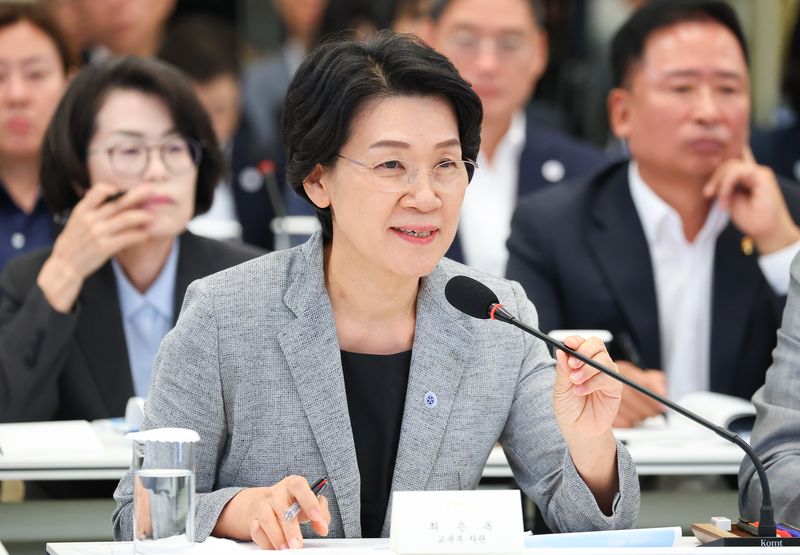
[Financial News] Going forward, the deputy superintendents of the country's 16 city and provincial offices of education will serve as “Student Mental Health Officers,” overseeing the management of students’ mental health in their respective regions. The Ministry of Education plans to review and monitor each office’s crisis incidents and progress in implementing measures every month.
On the 12th, the Ministry of Education began full-scale implementation of the “Student Mental Health Accountability System for Cities and Provinces.” The measure aims to build a robust safety net tailored to local conditions and strengthen each office’s sense of responsibility amid growing emotional distress among students.
That day, a “Task Force to Strengthen the Student Mental Health Safety Net” was also launched to help ensure the system takes root smoothly. It is headed by Vice Minister of Education Choi Eun-ok and includes the deputy superintendents of the 16 city and provincial offices of education.
Vice Minister Choi Eun-ok held the first video conference that afternoon and stressed, “I ask the city and provincial offices of education to take special responsibility and do their utmost to promote the mental health of students in their jurisdictions,” adding, “The Ministry of Education will also work to build a foundation that enables students to grow up with healthy minds.”
At the meeting, the task force discussed key priorities for each city and province, challenges in the field, and ways to cooperate with local governments and relevant ministries. Task force meetings are scheduled to be held regularly once a month starting this month.
Under the newly introduced accountability system, the Ministry of Education will review the 16 city and provincial offices of education’s policy implementation each month across four areas. Key areas to be assessed include securing mental health support budgets and dedicated staff; providing mental health classes (social and emotional learning) and suicide prevention education; training parents and teachers; and building networks connecting school counseling rooms (Wee Class) with specialized institutions. In particular, to ensure policies are put into practice, the ministry is also considering incorporating these implementation results into future evaluation criteria for the city and provincial offices of education.
[email protected] Kim Man-gi Reporter