[Exclusive] Police Officer Who Pleaded for Leniency for Defendant in a Sexual Violence Case Gets Only a 'Station Chief's Warning' Despite Breaching Duty to Maintain Dignity
- Input
- 2026-11-15 15:25:16
- Updated
- 2026-11-16 00:58:06
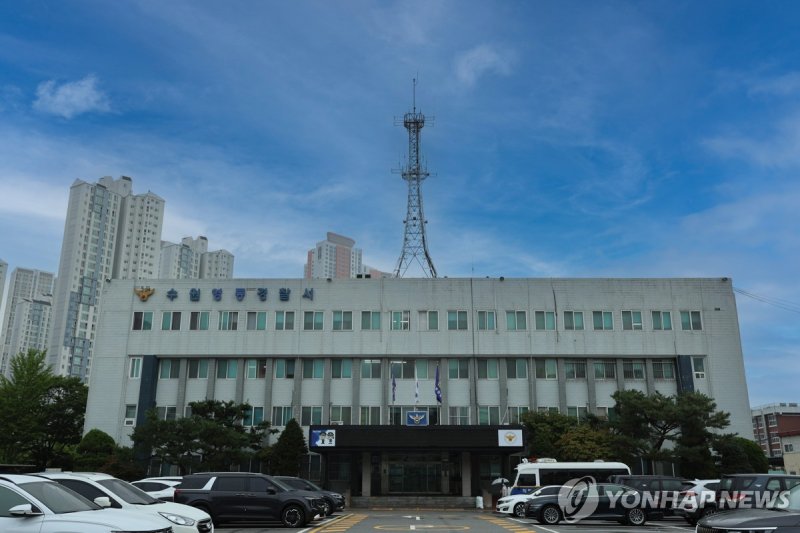
[Financial News] It has been confirmed that a serving police officer submitted a petition to the court seeking leniency for a defendant in a sexual violence case, identifying their police status and affiliation, and was given a discretionary warning by the station chief for violating the duty to maintain dignity. The officer is understood to have drafted the petition based on the defendant’s account without directly investigating the case or verifying the facts. Questions have been raised about whether it was appropriate for the police to close the matter with a warning, without formal disciplinary proceedings, despite finding a violation of the duty to maintain dignity.
According to Financial News’ reporting on the 15th, Yeongtong Police Station in Suwon, Gyeonggi Province, found that officer A had violated Article 63 (Duty to Maintain Dignity) of the State Public Officials Act by submitting a petition seeking leniency for a defendant in a sexual violence case, and issued a discretionary warning by the station chief. Such a warning does not involve review by a disciplinary committee and does not constitute formal discipline under the State Public Officials Act.
A submitted to the court a petition seeking leniency for B, who is on trial on charges of filming using a camera or other device under the Act on Special Cases Concerning the Punishment, etc. of Sexual Crimes, and identified their police status and affiliation. The two have known each other for about 20 years, and A is understood to have patronized the auto repair shop operated by B.
The issue is that A was not the police officer who directly investigated or examined the case. According to Yeongtong Police Station, A drafted the petition based on what defendant B had said, without directly verifying the facts of the case. In other words, A relied on the defendant’s account to seek leniency while also identifying their status and affiliation as a serving police officer.
Yeongtong Police Station found that A’s conduct constituted a violation of the duty to maintain dignity under the State Public Officials Act, but closed the matter with a discretionary warning by the station chief instead of formal disciplinary action.
Article 78, Paragraph 1 of the State Public Officials Act lists as grounds for discipline acts that damage one’s honor or prestige, whether on or off duty. The six forms of statutory disciplinary action under Article 79 of the same law are dismissal, removal from office, demotion, suspension, pay reduction, and reprimand.
By contrast, a discretionary warning is an administrative measure that may be issued in minor cases requiring caution to establish discipline in public service and prevent a recurrence, even when the conduct does not warrant formal discipline; it is not among the forms of statutory disciplinary action. Controversy has arisen over whether the disciplinary response was appropriate, as the matter effectively ended with a warning despite the finding of a violation of the duty to maintain dignity.
Yeongtong Police Station said, “We determined that the conduct constituted a violation of the duty to maintain dignity,” but explained, “As it did not warrant disciplinary liability, we took action in the form of a discretionary warning by the station chief under the ‘Rules on the Operation of the National Police Agency’s Warning, Caution and Incentive System.’”
Meanwhile, B was indicted on charges of filming the victim’s body without the victim’s consent in a park in Suwon, Gyeonggi Province, in August 2024, but was acquitted at the first trial. A second trial is currently underway following the prosecutor’s appeal. The victim’s side has questioned the basis for the police’s decision to close the matter with a warning and no formal discipline, despite finding that A had violated the duty to maintain dignity.
[email protected] Lee Dong-hyeok Reporter