“Blind after an Ozempic shot” ... First application for injury relief filed in Taiwan
- Input
- 2026-11-12 16:02:52
- Updated
- 2026-11-12 16:02:52
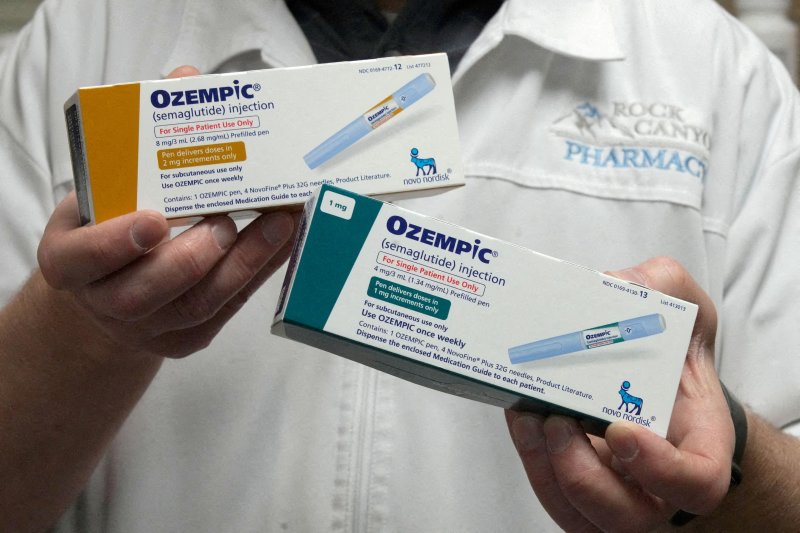
According to Taiwanese media outlets including United Daily News and China Times on the 12th, the Taiwan Food and Drug Administration (TFDA), under the Ministry of Health and Welfare, said the previous day, “We have received an application for injury relief from someone claiming to have developed vision problems after using Ozempic, a GLP-1 obesity treatment.”
Dr. Sui Feng, a thoracic medicine physician at Taipei City Hospital, described the patient as “a man in his 50s who came in last November with chronic obstructive pulmonary disease (COPD) and shortness of breath. His body mass index (BMI) was 32, in the obese range, at the time of his visit.”
He said, “The patient had no particular side effects while taking Ozempic injections for four months and losing 10 kg, but on the morning of February 27, after waking up, he suddenly saw everything in front of his right eye turn black. His vision in the left eye also fell to 0.1, and he went to the emergency room.”
He added, “The man was later diagnosed with non-arteritic anterior ischemic optic neuropathy (NAION) and has still not recovered after six months,” adding, “It was suspected to be an adverse effect of Ozempic and was reported to the TFDA.”
NAION, a condition known as an “eye stroke,” can lead to permanent blindness due to damage to the optic nerve caused by a lack of blood supply.
A specific causal link between GLP-1 drugs and NAION symptoms has yet to be confirmed, but the cases are drawing attention as patients who say they have suffered vision loss are filing lawsuits against pharmaceutical companies one after another in Taiwan and the United States.
[email protected] Hong Chae-wan Reporter