‘Overcoming the fiscal crisis’... Jeonju-si fiscal special committee announces recommendations
- Input
- 2026-11-12 14:47:36
- Updated
- 2026-11-12 14:47:36
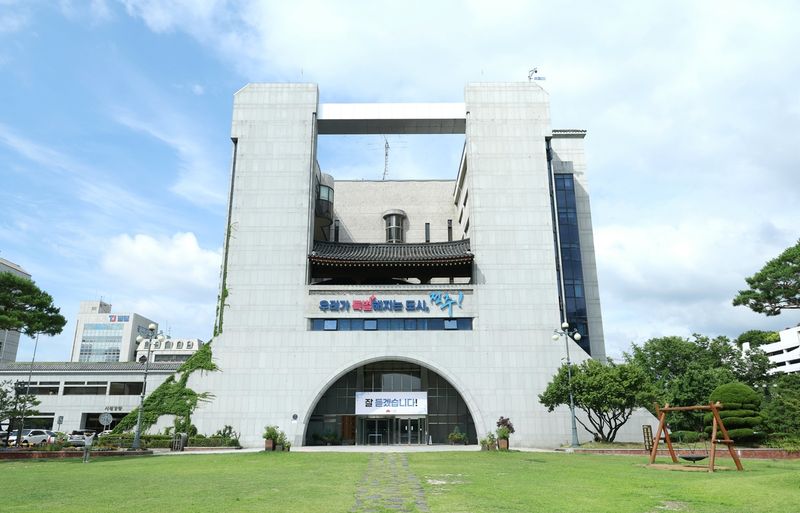
【Financial News, Jeonju = Kang In, Reporter】 A blueprint for restoring fiscal health, the top priority of Jeonju-si’s ninth popularly elected administration, has been drawn up.
On the 12th, the Jeonju-si Financial Innovation Special Committee held a press conference at City Hall and announced a comprehensive set of recommendations covering draft fiscal management principles, measures to increase revenue and reform spending, and adjustments to large-scale facility investment projects.
The committee first concluded that it would be appropriate to suspend large-scale facility projects. The fiscal management principles call for first securing, from Jeonju-si’s total resources, the funds needed for essential services and debt repayment, and setting the overall investment limit within the available resources. They also call for managing debt according to its level and checking in advance the future burdens arising from agreements and guarantees, as well as the city’s share of costs for projects funded by the national and provincial governments.
The principles call for managing national- and provincial-funded projects through every stage, from implementation and settlement to repayment, and for using temporary revenue first to repay debt.
While protecting essential expenses, the committee called for a review of similar or overlapping projects and the event and operating expenses that have routinely been budgeted. It also plans to reduce unnecessary personnel costs by reviewing staffing and operating methods. It proposed cutting private-sector operating grants, event subsidies and capital subsidies by 20% each year in principle through 2030.
In particular, it closely reviewed 104 facility investment projects costing at least KRW 2 billion, examining obligations under laws and agreements, losses in the event of suspension, and whether the facilities were needed for residents’ daily lives. It proposed including 51 projects in the investment plan and putting 53 on hold.
If these adjustments are reflected, the city’s share of costs in the investment plan for 2027–2030 is expected to fall by KRW 1.09 trillion, from KRW 1.7604 trillion to KRW 670.4 billion.
Jeonju-si’s fiscal projections show that its autonomous revenue in 2027 will be KRW 1.2059 trillion, KRW 26.7 billion short of the KRW 1.2326 trillion needed for essential expenses and repayment of local bonds. Jeonju-si says the burden of construction costs and operating expenses after completion has grown as large-scale facility projects have proceeded simultaneously.
Accordingly, Jeonju-si treated fiscal issues as a priority from the preparation stage for the launch of its ninth popularly elected administration. On his first day in office, Jeonju-si Mayor Jo Ji-hoon approved the proposal to form the Financial Innovation Special Committee as the first agenda item.
A Jeonju-si official said, “Implementing the recommendations will require difficult choices and may meet with opposition, but we must join forces to overcome these challenges and enable Jeonju to move forward as ‘a city that respects its citizens, an AI special city, one of Asia’s top five cultural-industry cities, and a city that takes responsibility for caring for its citizens.’”
[email protected] Kang In Reporter