“As Baby Cries Dwindled, the Industry Turned Overseas”... K-Formula Products See an Unexpected Export Boom
- Input
- 2026-11-17 14:01:04
- Updated
- 2026-11-17 14:01:04
[Financial News] As declining domestic consumption of white milk and the effects of low birth rates have contracted the domestic formula and baby food market, dairy companies are stepping up efforts to tap overseas markets. The strategy appears to be paying off: products that have passed stringent domestic food safety standards have earned strong trust from overseas consumers, while companies have diversified exports beyond infant and toddler foods to include adult protein powders and ready-to-drink (RTD) beverages.
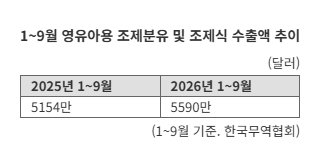
According to the Korea International Trade Association on the 17th, exports of infant formula and formulated foods for babies and young children totaled $55.9 million from January to September this year, up $4.36 million (8.5%) from $51.54 million in the same period last year. Formulated foods are products made by blending and processing essential nutrients such as protein, vitamins and minerals to meet the needs of specific groups or purposes, such as babies and young children or adults seeking to manage their weight.
South Korea’s formula and baby food market has experienced a structural downturn amid a prolonged period of low birth rates. Domestic formula consumption fell by nearly half, from 15,408 tonnes in 2016 to 8,847 tonnes last year. Domestic consumption has shown a slight recovery last year and this year, helped by a recent rebound in the birth rate, but long-term market contraction due to the declining population of babies and young children remains difficult to avoid.
In response, dairy companies are actively opening up new avenues by tapping emerging Asian markets such as Vietnam, China, Cambodia and Mongolia. K-formulated nutrition products across the board are driving sales, with locally consistent popularity for everything from premium formula and baby food to adult weight-management shakes.
Namyang Dairy Products is targeting overseas premium markets with its leading brands I Am Mother and Imperial XO. In particular, as it expands sales channels in major Asian countries such as Cambodia and Mongolia, its formula exports in the first half of this year surged 63% from the same period last year to about 22.3 billion won. In Cambodia, Imperial XO and StarGrow, a brand tailored to the local market, have established themselves, and the company plans to further expand sales of premium products with offerings including three types of formula for the first 100 days, introduced in July and tailored to newborns’ digestion.
Maeil Dairies also continued its rapid growth, with formula exports rising 25% in the first half of last year and increasing 35% this year. It is drawing demand at home and abroad with a lineup of specialized products, including the new Absolute Goat 100, designed to support digestion and absorption and help regulate feeding intervals for newborns under 100 days old.
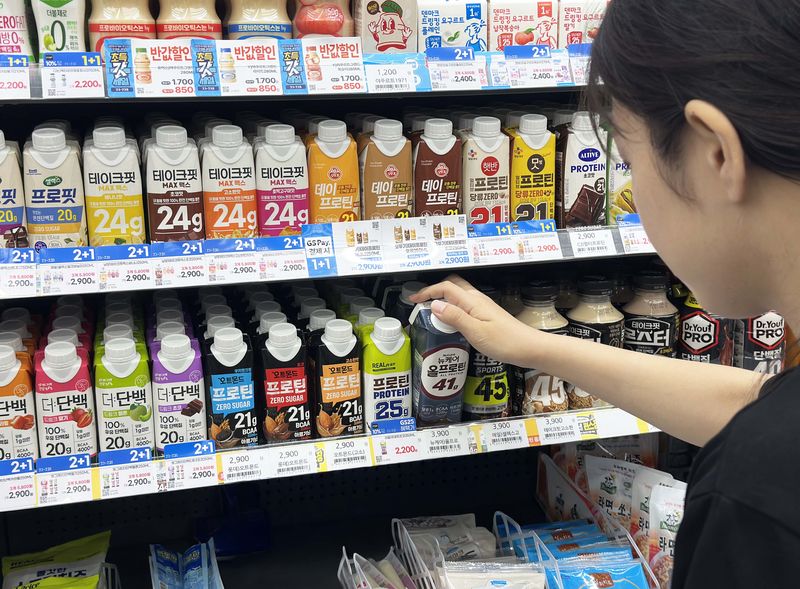
Exports of adult protein products and weight-management formulated foods are also growing rapidly, drawing on nutritional design expertise developed in infant and toddler foods. Maeil Dairies is expanding overseas supplies of protein powders and weight-management products such as Selex Slim 25, while Namyang Dairy Products has entered markets in Hong Kong, Mongolia and Kazakhstan in succession with Take Fit, its low-sugar, high-protein drink. Lotte Wellfood is also targeting the global health and wellness market with care foods incorporating Pasteur’s dairy-processing expertise, Easy Protein and its sugar-free ZERO series, which it has made key strategic products.
Behind the popularity of K-formulated nutrition products overseas are the precise nutritional formulation expertise and rigorous safety management systems that South Korea’s dairy industry has built up over many years. The trend toward prioritizing weight management and health among young consumers in China, Hong Kong and Southeast Asia has also fueled exports, as demand has surged for convenient RTD drinks and high-quality protein powders. With rising demand for premium infant and toddler foods in emerging markets and global health trends, exports of K-formulated nutrition products are expected to continue growing rapidly.
An industry official explained, “Growth in the domestic market has stalled due to the effects of low birth rates, but that is not the case overseas,” adding, “Demand continues to grow steadily as Korean-made formula and nutritional foods are regarded as safe, high-quality premium products.”
[email protected] Park Kyung-ho Reporter