Man in his 50s accused of killing 15-year-old girl who was a victim in his son’s sex-crime case... Could it constitute retaliatory murder?
- Input
- 2026-11-12 15:43:56
- Updated
- 2026-11-12 15:43:56
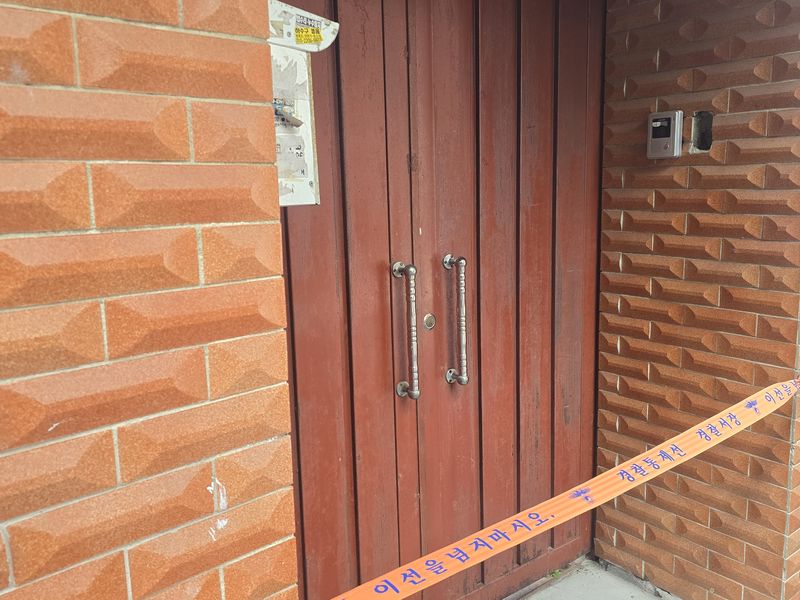
Police said on the 12th that the Seoul Seongbuk Police Station had sought an arrest warrant that day for Jin (59), who is suspected of murder. Police will conduct an autopsy on A, the 15-year-old girl who died, and plan to bring in a profiler to determine the precise motive and circumstances of the crime.
In January, Jin’s son, who is in his 20s, was accused by A’s parents of statutory rape of a minor. After investigating, police found the allegations substantiated and referred Jin’s son to prosecutors without detaining him. Police are expected to examine when Jin learned about his son’s sex-crime case and the complaint filed by the victim’s side, as well as whether he contacted or had a conflict with them during the proceedings.

However, retaliatory murder is an offense requiring the specific purpose of retaliating against someone involved in a criminal case. It is not established solely by the fact that the victim was a victim in the suspect’s son’s sex-crime case. In this case, in particular, A’s parents filed the complaint over the son’s alleged sex crime, while A was the person killed. The key issue may therefore be whether Jin killed A to retaliate for actions taken by the victim’s side in the criminal proceedings, such as filing the complaint.
A retaliatory motive can be determined not only from the suspect’s statements but also from objective circumstances before and after the crime. The timing of when Jin learned about his son’s sex-crime case, whether he had contact with the victim’s side, and his movements before and after the crime are expected to be key clues in assessing his motive.
Some have raised the possibility that Jin tried to reach a settlement with A’s side in connection with his son’s sex-crime case, but committed the crime after failing to do so. Police, however, are still cautious about any link between a request for a settlement and the motive for the crime.
A police official said, “At this stage, Jin’s statements could be an important clue in determining the motive for the crime, but he has refused to make a statement during the investigation, making it difficult to establish his motive,” adding, “We are investigating while keeping various possibilities open.”
[email protected] Seo Ji-yun Reporter