KDI: “Oil Prices Hold Back Consumption Recovery; Semiconductor Effects to Kick In in Earnest Next Year”
- Input
- 2026-11-12 12:00:00
- Updated
- 2026-11-12 12:00:06
[Financial News] The Korea Development Institute (KDI) has found that positive effects from the semiconductor boom will lead to a recovery in private consumption starting next year. Its outlook is that rising international oil prices constrained households’ spending capacity this year, but the oil-price burden will ease next year, and the boom’s income-boosting effects will emerge in earnest, broadening the improvement in consumption.
KDI said so in a report analyzing current issues, titled “The Effects of the Recent Semiconductor Boom and Rising Oil Prices on Private Consumption,” released on the 12th.
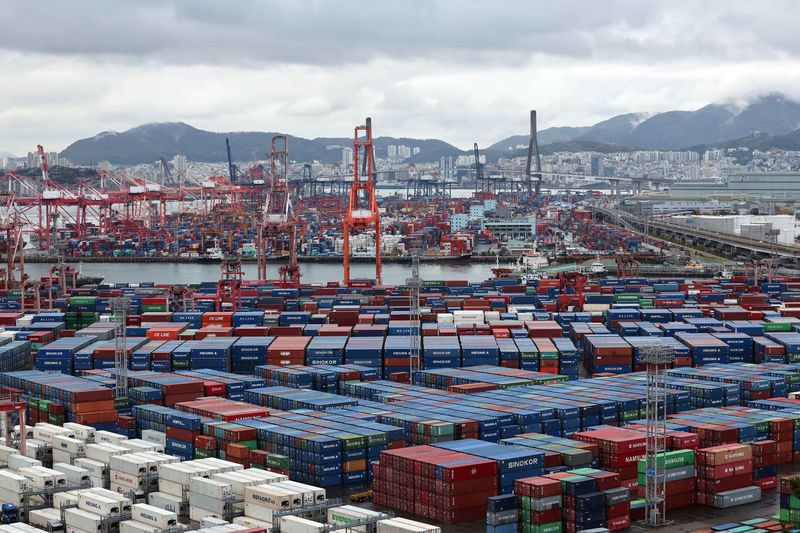
According to KDI, semiconductor export prices rose 145.3% this year. A surge in semiconductor exports, driven by increased global investment in AI infrastructure, significantly improved the terms of trade and the economy-wide real purchasing power. Meanwhile, crude oil import prices rose 43.4% in the second quarter and 31.3% in the third quarter, respectively, as international oil prices climbed amid conflict in the Middle East.
KDI explained, “The positive effects of rising semiconductor prices first appear as increased profits for exporting companies, and there may be a time lag before they filter through to household income and consumption via wages and dividends. By contrast, the negative effects of rising international oil prices can relatively quickly constrain households’ overall spending capacity through consumer prices.”
The explanation is that the burden of higher oil prices took effect before the consumption-boosting effects of the semiconductor boom reached households, leaving the recent improvement in private consumption modest.
KDI forecast that the recovery in consumption would gain momentum from next year as the positive effects of the semiconductor boom emerge in earnest. It estimated that the shock from rising semiconductor prices would lift next year’s private consumption growth rate by 0.6 percentage points, while the shock from rising oil prices would lower it by 0.2 percentage points.
However, it recommended improving employment and wage conditions in non-semiconductor sectors so that the recovery in consumption does not become overly dependent on the semiconductor cycle. KDI noted, “If the recent concentration of income gains in certain sectors, including semiconductors, continues, the recovery in consumption may also become overly dependent on fluctuations in the semiconductor cycle.”
It also assessed that, with the improvement in consumption expected to broaden next year, there is little need for additional demand-stimulus policies targeting the economy as a whole. KDI stressed, “Rather than expanding consumer spending in the short term, we should raise productivity in non-semiconductor sectors, improve employment and wage conditions, and broadly strengthen the foundations for a recovery in consumption.”
[email protected] Kim Chan-mi Reporter