Iran, having watched the US midterm elections, presses for peace talks: “The ball is in the US’s court”
- Input
- 2026-11-12 10:38:55
- Updated
- 2026-11-12 10:38:55
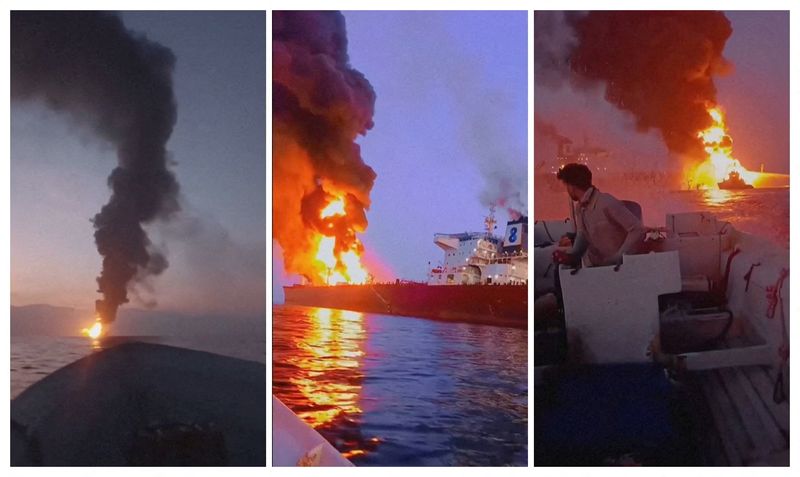
[Financial News] The Iranian government, having watched the US governing party suffer a crushing defeat in this month’s midterm elections, called on the Donald Trump administration to resume peace talks. Iran said that future negotiations would depend on the United States’ choice and warned that if the US attacked Iran again, it would strike US bases in Europe as well.
Mohammad Bagher Ghalibaf, who heads Iran’s peace negotiating team, discussed the status of talks with the United States in an interview with the pan-Arab outlet Al Jazeera on the 11th (local time). He said, “The United States has yet to give an official and clear response to our letter. The ball is in the US’s court.”
At a briefing on the 2nd, Esmail Baghaei, spokesperson for Iran’s Ministry of Foreign Affairs, said, “The basis for negotiations with the United States through mediators remains Iran’s ‘seven-step proposal,’ which has been streamlined so it can be implemented within two days.”
Earlier, Iran presented the United States with a “seven-step proposal” during the UN General Assembly in September and said it would open the Strait of Hormuz within seven days if the US accepted it. The Trump administration rejected it at the time, and Iran presented the same proposal again, shortening the deadline for opening the strait from seven days to two.
Iran maintained that once the United States accepted the seven-step proposal, it would have to implement it on the first day. The seven-point proposal reportedly included lifting the blockade of Iranian ports, suspending sanctions on Iranian crude oil exports, and canceling new sanctions.
Iran said that if the United States honored its commitments on day one, it would reopen the Strait of Hormuz on day two, restoring normal maritime traffic, and then continue follow-up negotiations on other issues.
That same day, The Wall Street Journal (WSJ) reported that US Vice President JD Vance was considering an in-person meeting with Mohsen Rezaee, secretary of Iran’s Supreme National Security Council (SNSC), who leads Iran’s security policy. According to the WSJ, President Donald Trump told his aides and officials from the other country that he could resume dialogue with Iran through Vance. Trump had reportedly also given Vance authority to negotiate. Vance had already sent Rezaee a letter last month proposing a meeting. However, Rezaee said in a statement on the 11th that he had no plans to meet Vance.
In an interview with Lebanese media that same day, Rezaee said, “If US military aircraft take off from Europe or another country to strike Iran, we will attack those bases too.” He added, “We will target US bases farther away,” and warned, “Some islands thought to be beyond missile range could also be targets.”
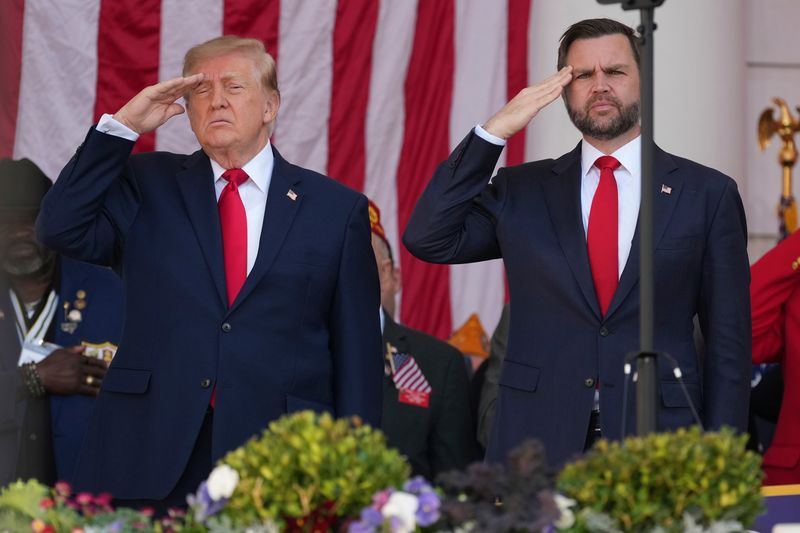
Meanwhile, in a speech at a Veterans Day event on the 11th, Trump said of the war with Iran, “We won,” adding, “I want to make sure it’s a complete victory, not a 93% victory.” He claimed, “The US didn’t start it,” referring to the war, in which the United States and Israel launched the first attack on Iran last February. Trump said, “Iran has been at war with the United States since 1979, and this issue should have been resolved long ago,” adding, “It was only under this administration that someone fought back.”
[email protected] Park Jong-won Reporter