Public redevelopment fee cut from 3% to 1%, easing burden on newly applying districts
- Input
- 2026-11-12 11:00:00
- Updated
- 2026-11-12 11:00:10
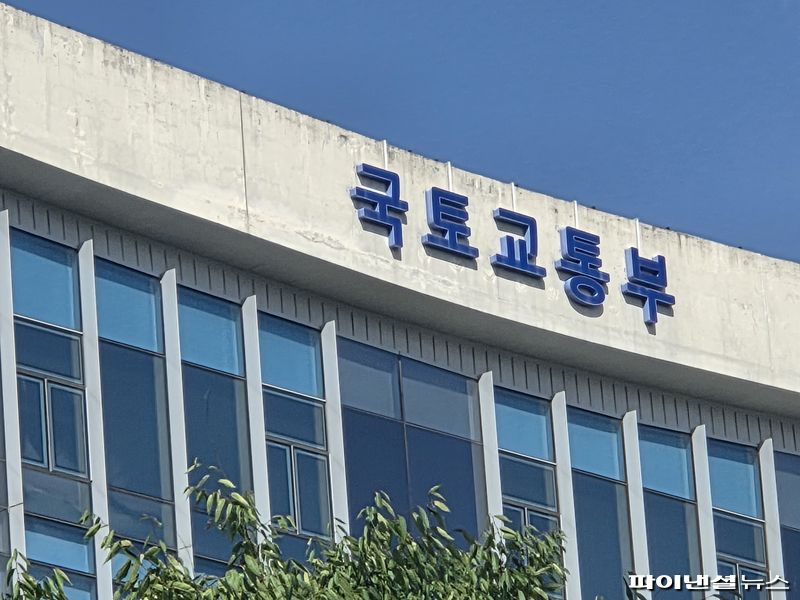
The Ministry of Land, Infrastructure and Transport and Korea Land and Housing Corporation (LH) announced on the 12th that they would temporarily lower the fee rate for districts submitting new applications by the end of this year. The measure follows the Aug. 13 plan to accelerate housing supply.
Under public redevelopment, public corporations such as LH act as project implementers on behalf of residents’ associations, handling permits and approvals, design reviews, construction-cost estimates and construction management. In return, LH has charged a fee equal to 3% of total project costs, including construction and service costs.
The Ministry of Land, Infrastructure and Transport expects the fee burden to fall by an average of about 13 billion won per district as a result of the reduction. For example, at a project with about 2,200 households and total costs of 720 billion won, the fee would drop from 21.6 billion won to 7.2 billion won.
The existing program providing national funding for up to 15% of the fee will also remain in place. With that support, residents’ burden at the project would fall from about 18.4 billion won to 6.1 billion won. National funding is provided at each stage of the project.
Districts considering public redevelopment can apply for LH’s Phase 1 preliminary consultation without residents’ consent to check whether they meet the requirements for designation. If at least 10% of landowners and other rights holders consent, Phase 2 consultation can provide an analysis of a preliminary project plan, project feasibility and estimated contributions.
Existing support for project feasibility and financing will also remain available. Public redevelopment projects can receive a floor area ratio increase of up to 1.2 times the legally permitted maximum and are exempt from the presale price cap. An amendment to the Act on the Improvement of Urban Areas and Residential Environments that would raise the floor area ratio allowance to 1.3 times is also set to be put before the plenary session of the National Assembly of the Republic of Korea.
For loans covering project costs and residents’ relocation expenses, the portion of the interest rate above 1.8% per year is subsidized by up to 2 percentage points. A one-home owner who borrows 300 million won in basic relocation funding at 4.8% per year can save about 6 million won in interest annually.
Reforms are also underway to lower the resident-consent requirement for appointing a project implementer from two-thirds of landowners and other rights holders to 60%.
Yun Yeong-jung, director general for housing redevelopment policy, said, “We will work actively with the relevant agencies to support public redevelopment, in which the public takes responsibility for and manages projects, so that it can become a practical alternative for urban renewal projects.”
[email protected] Choi Ga-young Reporter