“Even the Sound of Breathing Is Special” ... The Power of Korean Audiences, According to Simon Rattle
- Input
- 2026-11-12 09:35:24
- Updated
- 2026-11-12 09:35:24
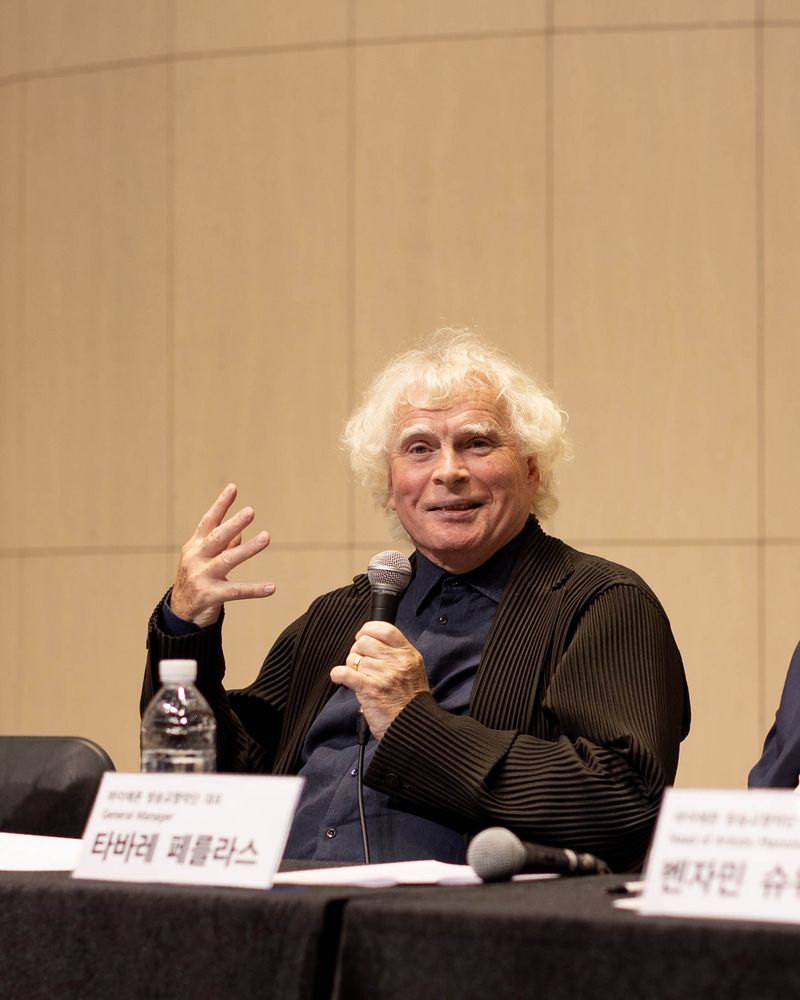
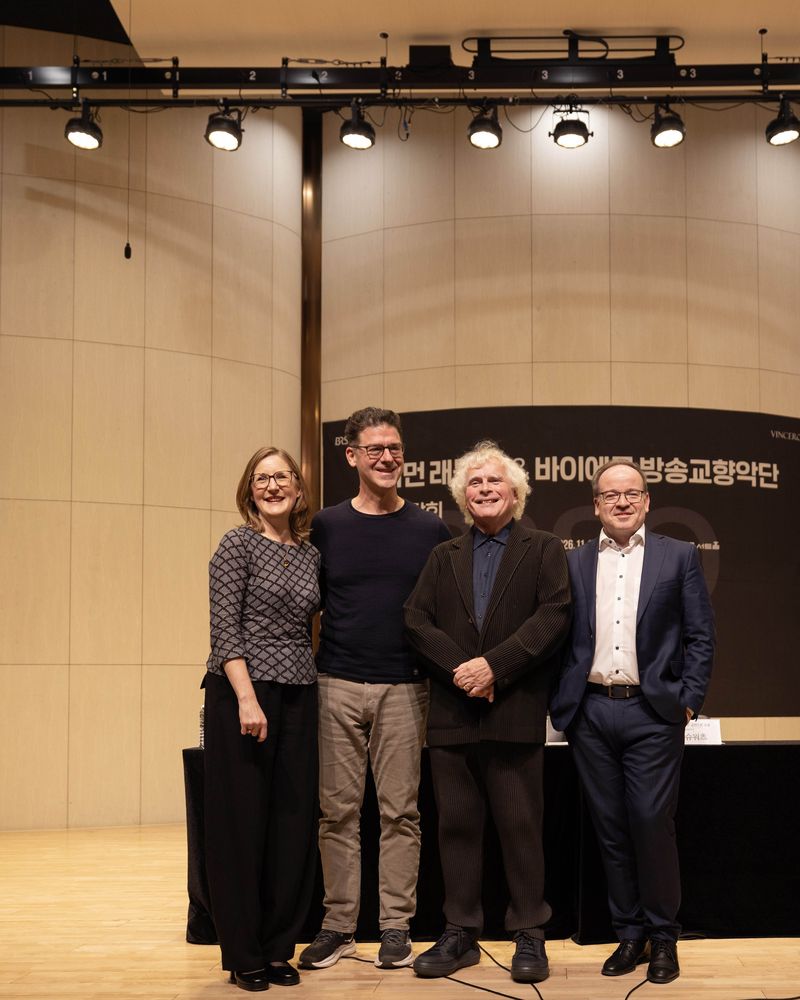
[Financial News] World-renowned conductor Sir Simon Rattle and Germany’s Bavarian Radio Symphony Orchestra (BRSO) expressed their particular confidence in Korean audiences. Rattle and the BRSO will give performances in Korea for the first time in two years at 7:30 p.m. on the 12th and 13th at the Seoul Arts Center Concert Hall.
At a press conference held at Rode Art Center in Seocho District, Seoul, on the 11th, Rattle described Korea as “a place with one of the world’s best audiences for classical music.”
“When you visit concert halls, the atmosphere created by audiences differs from country to country,” he said. “I feel that the meaning of music is conveyed farther and more deeply than in other regions.” He explained that audiences’ understanding of the music and emotional responses to its flow as a performance unfolds are conveyed just as clearly to the performers on stage.
“I feel a very deep emotional response,” Rattle said, adding, “You can sense that special quality even in the way the audience breathes.”
For Tabare Perlas, who took over as president of the BRSO last April, this will be his first performance in Korea in that role. It is not his first visit to the country, however. He came to Korea with the West-Eastern Divan Orchestra about 15 years ago. Perlas said, “I personally experienced the passion and high level of musical understanding shown by Korean audiences at the time. That memory remains very vivid, so returning to Korea with this wonderful orchestra is all the more meaningful.”
Benjamin Schwartz, head of concert planning, also added, “We don’t go on stage, play into thin air, and leave. The knowledge, interest, and active engagement of Korean audiences are a great source of strength for performers.”
Flutist and musicians’ representative Natalie Schwabe also said, “Korean audiences are full of energy and their reactions are very varied. I’m always excited whenever I perform in Korea.”
The orchestra also noted that it can meet many young audience members at concert halls in Korea. Although classical audiences in Europe are not declining sharply at present, every orchestra faces the task of bringing new audiences and younger generations into concert halls for the future. To that end, the BRSO invites children to rehearsals and conducts educational activities in which its musicians visit schools across Bavaria and perform music for students.
Perlas said, “Helping children experience music from an early age is something that not only orchestras but society as a whole must do together.”
Since its first visit to Korea in 2012, the BRSO has returned every two years, except during the period when performances were suspended due to COVID-19. Perlas said, “Our relationship with Korea is a valuable partnership that has endured for a long time. We hope to continue developing this relationship in the future.”
[email protected] Shin Jin-a Reporter