“Don’t Dismiss a Nighttime Cough”... Can You Tell a Cold from Asthma by the Cough? [Health Talk]
- Input
- 2026-11-12 09:17:24
- Updated
- 2026-11-12 09:17:24
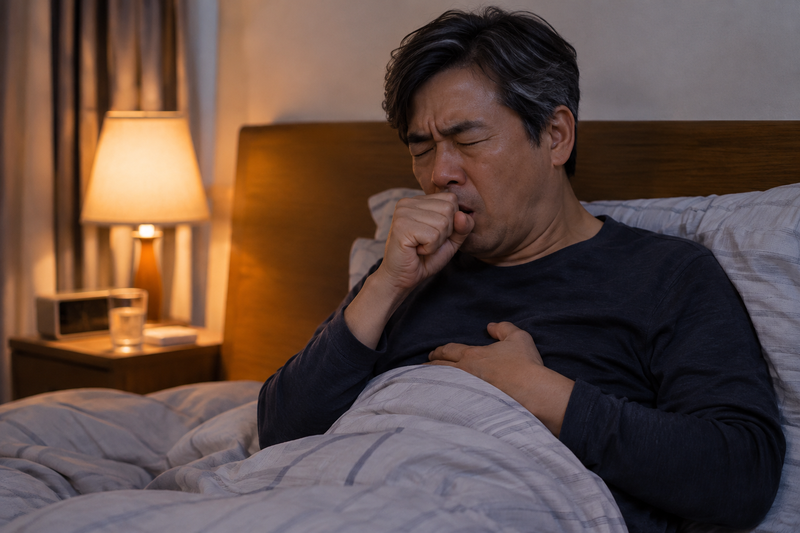
[Financial News] At 3 a.m., another coughing fit breaks out, interrupting sleep. Each time they exhale, a wheezing sound comes from their chest. Some people have nights like this over and over when cold winds begin to blow.
If a cough you once thought was no big deal lasts for days, symptoms repeatedly improve and worsen, and they become particularly severe at night or in the early morning, asthma should be considered.
Kim Sang-hyeok, a professor in the Department of Pulmonary and Allergy Medicine at Korea University Guro Hospital, said, “Asthma requires ongoing management because airway inflammation can persist even when symptoms subside. If coughing recurs at night or in the early morning, don’t assume it’s just a cold; get an accurate diagnosis.”
Asthma is a condition in which chronic inflammation develops in the bronchi, making the airways sensitive. Even a minor irritant can cause the bronchial muscles to contract and the lining to swell, narrowing the passage through which air flows. Genetic predisposition, an allergic tendency and environmental factors can all play a role, and asthma can first appear in adulthood.
The main symptoms are coughing, wheezing, shortness of breath and chest tightness. A characteristic feature is that symptom severity varies from day to day and at different times of the day. Because some people have only a persistent dry cough, without wheezing or difficulty breathing, asthma can easily be mistaken for a cold. Respiratory viral infections, as well as cold air, sharp swings in temperature, dust mites, pollen, tobacco smoke and fine dust, can worsen symptoms.
When asthma is suspected, a pulmonary function test measures airflow through the airways and checks for changes before and after a bronchodilator is used. If needed, additional tests may include measuring exhaled nitric oxide (FeNO) to assess airway inflammation or a bronchial provocation test.
The key to treatment is controlling airway inflammation and preventing symptoms from worsening. Treatment typically includes inhaled corticosteroids, with bronchodilators added depending on the patient’s condition. Inhalers can deliver medication directly to the airways and reduce its effects on the rest of the body, but patients need to learn the correct technique to get the full benefit. If symptoms suddenly worsen and shortness of breath makes it difficult to finish a sentence, seek emergency care immediately.
In daily life, quitting smoking and avoiding secondhand smoke are essential. On days when fine-dust levels are high, it is best to limit outdoor activities. When exposed to cold air, protect your nose and mouth with a mask or similar covering. Regularly washing bedding helps reduce allergens, and handwashing and flu vaccination can also help lower the risk of respiratory infections.
Professor Kim stressed, “If you are diagnosed with asthma, it is important to consult your healthcare provider and continue treatment even when your symptoms improve.”
[email protected] Jeong Myeong-jin, medical correspondent Reporter