12 of 13 high-risk pregnancy transfers from Jeju went to the mainland ... Rep. Moon Dae-rim calls for national support
- Input
- 2026-11-12 08:47:37
- Updated
- 2026-11-12 08:47:37
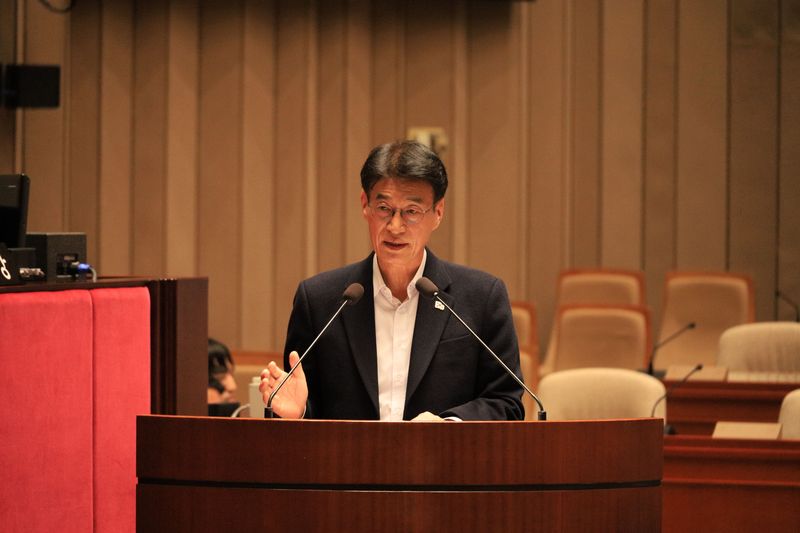
【Financial News, Jeju — Jeong Yong-bok】Of the 13 transfers of high-risk pregnant women in Jeju coordinated by the Central Maternal and Child Health Center’s dedicated transfer team from October last year to July this year, 12 were to medical institutions on the mainland. None of the 23 doctors in Jeju who took part in the government’s contract-based regional essential physician program was an OB-GYN specialist.
According to Rep. Moon Dae-rim of the Democratic Party of Korea (Jeju City A constituency) on the 12th, the lawmaker highlighted this gap in maternity care and called for expanded government support during a review of the 2027 budget proposal by the National Assembly’s Special Committee on Budget and Accounts on the 10th.
A high-risk pregnancy is one in which the mother and fetus need specialized treatment for conditions such as bleeding or preterm labor. The transfer figures in this report are limited to cases in which the Central Maternal and Child Health Center’s dedicated transfer team coordinated transfers between hospitals.
Jeju’s maternity care infrastructure has become even more fragile recently. Seohae OB-GYN Hospital in Jeju City, which had handled about 28% of births in the province, closed last August because of a shortage of medical staff. Rep. Moon also noted that Jeju National University Hospital is struggling to secure medical staff for high-risk deliveries, with two of its three obstetric specialists on leave.
Since last year, the government has been operating a contract-based regional essential physician program that supports doctors to work at regional medical institutions for a set period. The program aims to narrow regional disparities in medical staffing by providing specialists with allowances for working in regional areas, among other support. However, none of the 23 participating doctors in Jeju specialized in obstetrics and gynecology, exposing the program’s limitations in expanding the maternity care workforce.
Last July, the government additionally selected a maternal and child healthcare cooperation system centered on Jeju National University Hospital, with Seogwipo Medical Center and local maternity care facilities among the participants. Under the system, high-risk mothers and newborns receive priority care at medical institutions in the region, which also work together to respond to emergencies. However, stable operation of the system depends on securing specialists.
Rep. Moon called for minimum staffing allocations for understaffed specialties such as obstetrics and gynecology, increased work allowances, and a system for rotating specialist placements among national university hospitals. He also stressed that clinics providing maternity care should be eligible for support and that criteria for designating areas underserved by maternity services should be revised to reflect access to medical care on islands and the capacity to accept high-risk pregnant women.
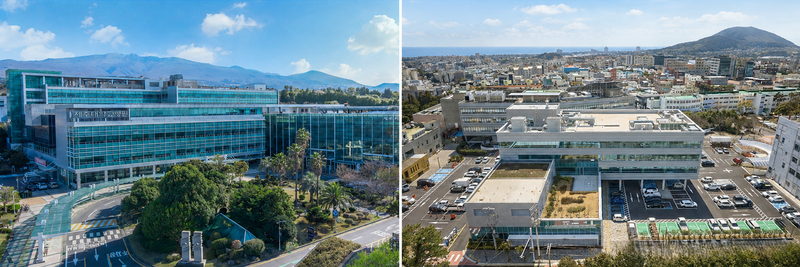
The cost of facility investment at Jeju National University Hospital also became an issue during the National Assembly’s budget review. According to materials presented by Rep. Moon, the hospital is pursuing a 54.6 billion won project to expand its education and clinical building. National funding amounts to 13.5 billion won, while the hospital’s own contribution is 32.2 billion won.
Rep. Moon called for national funding to be increased to at least 20 billion won, “given that Jeju National University Hospital is a regional responsibility medical institution tasked with providing critical and emergency care and training medical personnel.” The proposal would add 6.5 billion won to the funding amount currently proposed.
The lawmaker also called for expanding medical facilities needed to prepare Jeju National University Hospital and Cheju Halla General Hospital for designation as tertiary general hospitals, as well as support for facilities, equipment, and essential medical staff at Jeju Medical Center and Seogwipo Medical Center.
In response, Health and Welfare Minister Jeong Eun-kyeong said, “We will assess the needs of each national university hospital for facilities, equipment, and medical personnel, and draw up a mid- to long-term investment plan in consultation with local governments and others.”
Rep. Moon said, “We must no longer stand by while even hospitals responsible for essential regional medical care struggle to cover facility investment costs,” adding, “I will do my utmost to secure the necessary national funding and establish a healthcare support system that reflects the particular circumstances of island regions, so that Jeju residents can receive treatment with peace of mind in Jeju.”
[email protected] Jeong Yong-bok Reporter