“Rare, but not to be ignored”... How to respond to vision warnings about weight-loss drugs [Weekend Health]
- Input
- 2026-11-12 11:24:49
- Updated
- 2026-11-12 11:24:49
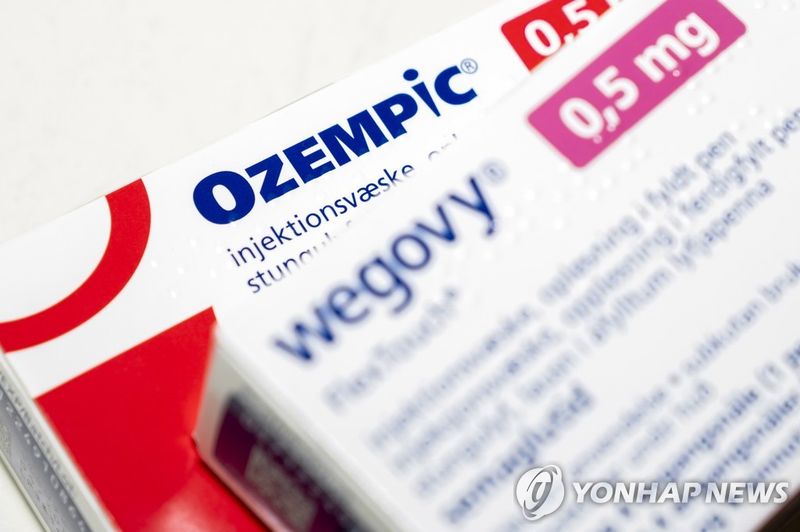
[Financial News] “The risk of vision impairment is very rare, but that doesn’t mean it should be ignored. At the same time, there is no need to give up a treatment proven to be effective because of vague fears.”
Yang Ji-myeong, a professor of ophthalmology at Asan Medical Center, made this comment on the 12th about the risk of vision impairment from glucagon-like peptide-1 (GLP-1) drugs for obesity and diabetes. On the 11th, the Ministry of Food and Drug Safety (MFDS) issued a drug safety communication advising that treatment be stopped if non-arteritic anterior ischemic optic neuropathy (NAION) is suspected during the use of GLP-1 drugs. The measure followed safety information from overseas indicating that GLP-1 drugs may increase the risk of NAION. Earlier, the U.S. Food and Drug Administration (FDA) required warning language about the risk of vision loss to be added to the prescribing information for GLP-1 drugs for obesity and diabetes, including Ozempic, Wegovy and Mounjaro.
NAION is a condition in which a sudden reduction in blood flow to the optic nerve damages the nerve. Also known as an “eye stroke,” it is considered the second most common cause of blindness due to optic nerve damage, after glaucoma.
In the communication, the MFDS advised that if NAION is suspected in patients receiving GLP-1 drugs, healthcare professionals should stop treatment and ensure that patients receive immediate medical attention. It also urged patients to notify their healthcare providers immediately if they experience acute, painless vision loss or other visual impairment in one eye.
The MFDS also asked pharmaceutical companies supplying GLP-1 drugs in Korea to submit relevant materials, including plans to amend their marketing authorizations. It plans to review changes to the precautions for use based on the submitted materials. GLP-1 drugs currently marketed in Korea include tirzepatide (Mounjaro), semaglutide (Wegovy), liraglutide (Saxenda) and efpeglenatide (Epe). According to the MFDS, one suspected case of vision impairment due to NAION following treatment with a GLP-1 weight-loss drug was reported in Korea in December 2024.
Rare, but permanent damage is possible... Weigh the benefits against the risks
Professor Yang explained, “Some studies have reported that the risk of developing NAION may be about twice as high with GLP-1 drugs, but the absolute risk is low because NAION itself is very rare.”
According to the European Medicines Agency (EMA), for every 10,000 people who use semaglutide for a year, there is about one additional case.
He said, “Large-scale clinical trials have shown that, in addition to controlling blood sugar and reducing weight, some drugs in this class can lower the risks of heart attack, stroke and kidney disease. For most patients with an appropriate indication, the benefits of treatment are likely to outweigh the rare risk of vision impairment.” However, patients with existing eye conditions or a history of optic neuropathy need an individual risk assessment.
Kim Ki-hyun, a professor of ophthalmology at Seoul St. Mary’s Hospital, said, “There was a case of a patient who had been receiving regular eye care for diabetic retinopathy and began treatment with a GLP-1 receptor agonist to lose weight, after which they repeatedly experienced amaurosis, or darkening of vision in one eye. Delayed retinal blood flow was also confirmed, so we recommended stopping the treatment, taking into account the possibility that it was related to the drug. Fortunately, the symptoms disappeared after the drug was stopped.”
Eye exams: Who should get one first?
Professor Yang explained that an eye exam before prescribing is not necessary for every patient. He said, “There is not yet sufficient evidence to support routine eye exams to prevent NAION in patients receiving obesity treatment who have no existing eye conditions or visual symptoms.”
The exception is patients who have had diabetes for a long time or already have diabetic retinopathy. If blood sugar improves rapidly over a short period, diabetic retinopathy may temporarily worsen, so it is advisable to check the condition of the retina before treatment and monitor it as needed. Patients who have had NAION in one eye are at risk of developing it in the other eye as well. He advised that such patients carefully weigh the benefits and risks of treatment in consultation with an ophthalmologist before a prescription is issued.
Professor Yang described the FDA’s request to add warning language as “an appropriate measure to protect patient safety.” He added, “It is important not to stop at adding a warning to the medication leaflet, but to tell patients at the time of prescribing that they should seek eye care immediately if they experience sudden vision loss. For patients with diabetic retinopathy or a history of NAION, the prescribing healthcare provider and an ophthalmologist should work together to assess each patient’s risk and develop a monitoring plan.”
He emphasized, “The important thing is to seek eye care without delay if sudden vision loss occurs.”
Meanwhile, the MFDS said it would simplify the process for bringing weight-loss drugs such as Wegovy and Mounjaro, purchased overseas, into Korea, starting that day. From the 12th, travelers may bring in up to six bottles of medication purchased with a valid prescription; even if they bring more than six, quantities sufficient for up to three months of use will be allowed.
[email protected] Jung Myung-jin, Medical Correspondent Reporter