EU Unveils DFA Bill to Regulate AI-Driven Personalized Pricing and Purchase Nudges [Global AI Briefing]
- Input
- 2026-11-12 08:30:44
- Updated
- 2026-11-12 08:30:44
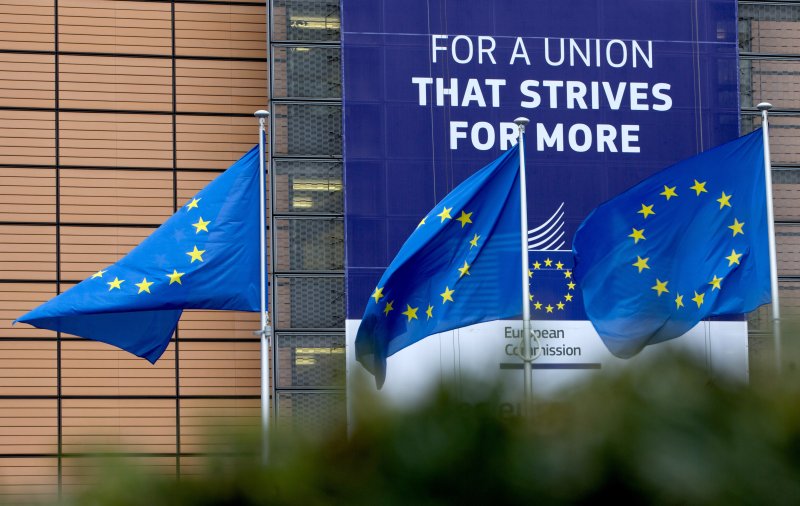
The European Commission (EC) formally adopted and unveiled the Digital Fairness Act (DFA) bill on the 11th (local time). Its core aim is to prevent online platforms and e-commerce companies from misleading consumers and to strengthen consumer rights in the digital environment. The bill will become law after deliberation and approval by the European Parliament and the Council of the European Union.
By legislating the DFA to safeguard consumer rights—following the Digital Services Act (DSA), which regulates platforms responsible for distribution in AI and digital markets, and the Digital Network Act (DNA), which addresses unfair practices by network companies—the EU will establish a three-pillar regulatory framework for the AI and digital industries.
The DFA bill will regulate online business practices that unduly pressure consumers to make purchases.
The practices covered include labeling an item as the “last one” even when stocks are not actually low, or displaying a fake countdown to the end of a sale to induce consumers to pay before they have enough time to think.
Subscription-service practices that make it easy for consumers to sign up but difficult to cancel are also subject to regulation.
Personalized advertising and pricing using AI are also major targets of regulation. The aim is to go beyond companies analyzing consumers’ purchase histories and behavioral data to show them different products and ads, and to restrict practices that identify consumers’ economic and psychological vulnerabilities to induce purchases. In particular, the bill would prevent companies from using sensitive personal information to target consumers’ vulnerabilities and require greater transparency so consumers can understand how prices are set even when they vary according to demand.
The rules could also affect the gaming and content industries. Practices such as repeatedly encouraging minors to make payments or pressuring them to pay more to progress in a game—in other words, business models in which “you have to spend money to advance faster”—are also part of the regulatory discussions. Transparency will also be strengthened around influencers promoting products without distinguishing advertising from regular content.
The EU’s DFA is expected to become a law setting consumer-protection standards for the AI era.
Whereas online consumer protection previously focused on preventing false advertising and personal-data leaks, the aim now is to expand its scope to include the process by which AI analyzes consumer behavior and influences purchasing decisions. In particular, the law stipulates that in an era when AI agents search for and pay for products on consumers’ behalf, it is necessary to guarantee consumers’ freedom of choice during the purchasing process, as well as the accuracy of information provided by companies.
This is also relevant to South Korean companies. Experts advise domestic platforms and gaming and e-commerce companies operating in the European market to review their product recommendations, personalized advertising, and subscription-cancellation procedures to ensure compliance with the law.
There are also calls to review consumer-protection principles in the domestic market, where AI-powered pricing and purchasing-agent services are becoming more widespread.
[email protected] Lee Gu-sun Reporter