Yen slides on U.S. rate-hike outlook, nearing 159 per dollar
- Input
- 2026-11-11 16:33:28
- Updated
- 2026-11-11 16:33:28
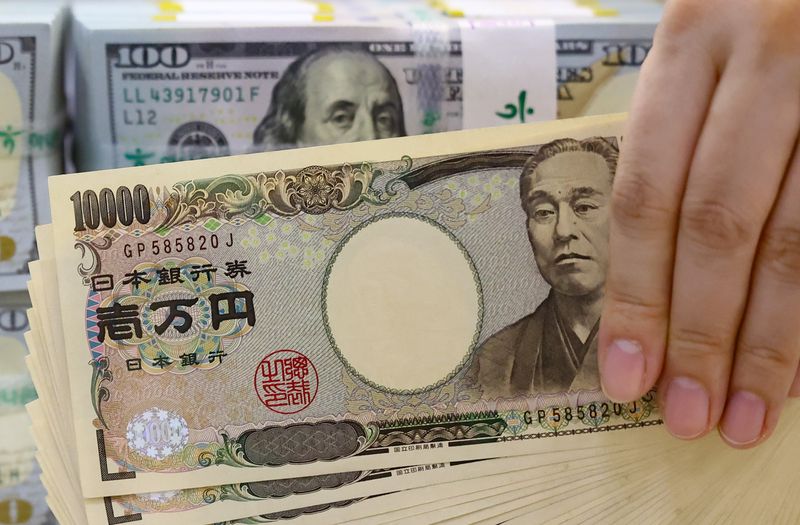
【Financial News Tokyo correspondent Seo Hye-jin】The yen fell to its lowest level in about a month and a half, nearing 159 per dollar. Stronger-than-expected U.S. inflation data fueled expectations of a Federal Reserve (Fed) rate hike, widening the U.S.-Japan interest-rate gap again. Japanese government bond yields also rose, but expectations that U.S. monetary tightening could proceed faster fueled yen selling.
On the 11th, the yen fell as low as 158.96 per dollar at one point in the Tokyo foreign exchange market, its lowest level since late September. After trading between 156 and 159 yen per dollar for more than a month and a half, the yen edged close to the 159-yen mark.
U.S. inflation puts a ‘big-step’ hike in play; two-year yields surge
The October Consumer Price Index (CPI), released by the U.S. Department of Labor on the 10th (local time), rose 0.4% from the previous month, while core CPI, which excludes food and energy, rose 0.3%; both figures exceeded market expectations.
Before the data was released, Fed Governor Christopher J. Waller said that if core CPI rose 0.3% or more from the previous month, “a stronger policy response may be needed, and a 0.50-percentage-point (p) increase in the policy rate should be considered at the December meeting.”
With the actual figure reaching that threshold, markets began pricing in the possibility of a large hike. According to U.K. financial data provider LSEG, the U.S. two-year Treasury yield rose 0.18 percentage points from the previous day to 4.727% on the 10th. The one-day increase in the two-year yield, which is sensitive to monetary policy expectations, was the largest in about 1 year and 7 months, since April last year.
The yield spread between U.S. and Japanese two-year government bonds, on a compounded basis, is again nearing 3 percentage points. The gap, which had narrowed to the mid-2-percentage-point range as concerns over AI investment and a sharp stock-market drop just after the U.S. midterm elections spurred government bond buying, has widened again.
Naokazu Koshimizu, a senior rates strategist at Nomura Securities, said, “Persistent inflationary pressures, including in services, have also been confirmed,” adding, “There is also a possibility that rates could rise further through around March 2027.”
Japanese yields also jump, but pace of further hikes remains uncertain
U.S.-led upward pressure on yields spread to Japan’s bond market as well. As of 3 p.m. that day, the newly issued 10-year government bond yield, a benchmark for long-term rates, was trading at 2.790%, up 0.110 percentage points from the previous day. It rose as high as 2.795% intraday. The two-year yield also climbed 0.085 percentage points to 1.855%.
Along with rising U.S. Treasury yields, the Nikkei 225 Stock Average (Nikkei 225) rose more than 900 points intraday, prompting sales of government bonds, a safe-haven asset. In the Bank of Japan’s (BOJ) government bond purchases, bid-to-cover ratios also rose for some maturities, which was interpreted as a sign of investors’ strong inclination to sell.
Expectations of further BOJ rate hikes also remain in place. That morning, the probability of a 0.25-percentage-point hike in December priced into the overnight index swap (OIS) market stood in the mid-70s. However, it was down from about 80% at the start of the month.
The yen’s future direction is expected to depend on the pace of rate hikes in both countries from next year onward. The “Summary of Opinions” from the BOJ’s October Monetary Policy Meeting, released the previous day, included a view that the pace of reaching the neutral interest rate should be accelerated. Another view was that the BOJ should watch next year’s Shuntō, the spring labor-management wage negotiations, when assessing whether to raise rates further.
Keiko Ninomiya, a senior foreign exchange market analyst at SMBC Trust Bank, forecast that “if strong wage increases are not confirmed, the next rate hike after December could come later than March next year.”
[email protected] Seo Hye-jin Reporter