Capital adequacy ratio of financial conglomerates rises to 186%; all seven exceed regulatory threshold
- Input
- 2026-11-12 06:00:00
- Updated
- 2026-11-12 06:00:00
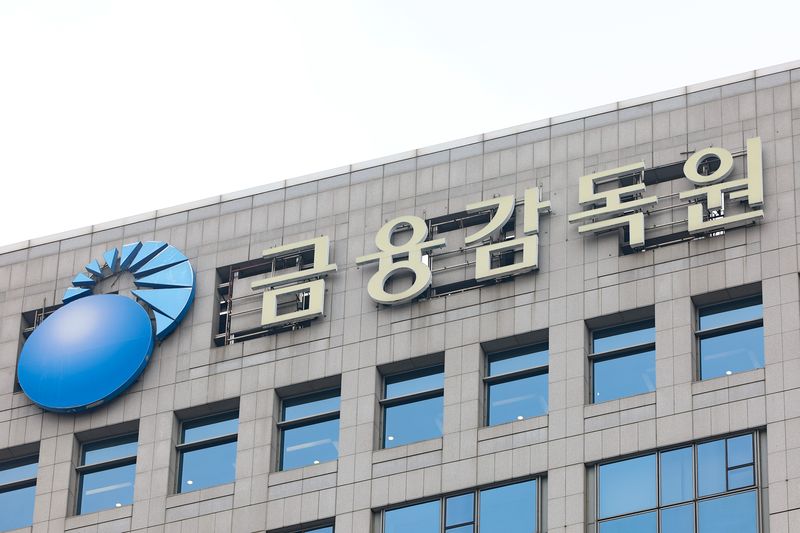
[Financial News] The capital adequacy ratio of South Korea’s seven financial conglomerates rose to 186%. Ratios rose at five groups, including Samsung and Hanwha, while Kyobo and DB saw declines.
The Financial Supervisory Service said on the 12th that the capital adequacy ratio of the seven financial conglomerates stood at 186% as of the end of June, up 8.4 percentage points from the end of last year. The groups covered by the survey were Samsung, Hyundai Motor Company, Mirae Asset Financial Group, Hanwha Group, Kyobo, Daou Kiwoom Group and DB. Toss, newly designated in July, was excluded.
The capital adequacy ratio is calculated by dividing integrated capital by integrated required capital. The regulatory threshold under the Act on Financial Conglomerates is 100% or higher, and all seven groups exceeded it.
Integrated capital totaled 306.2 trillion won, up 93.7 trillion won from the end of last year. Gains from stock valuations and increased retained earnings at financial investment affiliates were among the factors behind the increase.
Over the same period, integrated required capital rose by 45 trillion won, from 119.6 trillion won to 164.6 trillion won. This was due to increases in stock and interest rate risk exposures as stock prices and interest rates rose, as well as an increase in risk assets resulting from financial company acquisitions by insurance affiliates.
Samsung had the highest capital adequacy ratio at 202.3%, followed by DB at 195.6%, Daou Kiwoom at 184.1%, Kyobo at 180.9%, Mirae Asset at 169.8%, Hanwha at 156.3% and Hyundai Motor Company at 147.4%.
Compared with the end of last year, Samsung’s ratio rose by 11.2 percentage points. Hanwha’s rose by 7.7 percentage points, Daou Kiwoom’s by 7.3, Mirae Asset’s by 2.5 and Hyundai Motor Company’s by 1.9. By contrast, Kyobo’s fell by 20.6 percentage points and DB’s by 12.3.
Without the transitional measures under the new solvency regime, the Korean Insurance Capital Standard (K-ICS), Kyobo’s capital adequacy ratio is 142.4%. That is 8.7 percentage points below its 151.1% at the end of last year. Across all seven groups, the capital adequacy ratio before application of the transitional measures was 183.2%, up 9 percentage points from the end of last year.
The FSS assessed the seven groups’ loss-absorption capacity as sound. However, to prepare for increased volatility in financial markets, including interest rates and stock prices, it plans to continue monitoring capital adequacy trends and encourage stronger internal controls and risk management to address the transfer and concentration of risks arising from major shareholders’ capital contributions and intra-group transactions.
[email protected] Lee Jeong-hwa Reporter