Busan's Gangseo-gu bids to host integrated LCC headquarters, targeting Korean Air and Jin Air
- Input
- 2026-11-11 13:55:13
- Updated
- 2026-11-11 13:55:13

[Financial News] Gangseo-gu, Busan, is pulling out all the stops to attract the headquarters of the integrated low-cost carrier (LCC) to be launched through the integration of Jin Air, Air Seoul and Air Busan.
Gangseo-gu said on the 11th that on the 10th it sent a proposal and a letter from the district mayor to Jin Air, the surviving company of the integrated LCC, and its parent company, Korean Air, formally proposing that the headquarters be relocated.
This formally expressed Gangseo-gu, Busan's determination to attract the integrated LCC's headquarters to the district by actively promoting its distinctive locational advantages and providing proactive administrative support.
The district's official proposal outlines five key advantages of locating the integrated Jin Air's headquarters in Gangseo-gu.
First, Gangseo-gu is a hub for a port-air-rail triport linking the present and the future. Gimhae International Airport, which is currently operating, Gadeokdo New Airport, which is set to become a global hub, and Busan New Port are all located in Gangseo-gu, making it possible to use routes immediately and achieve seamless air and logistics connections.
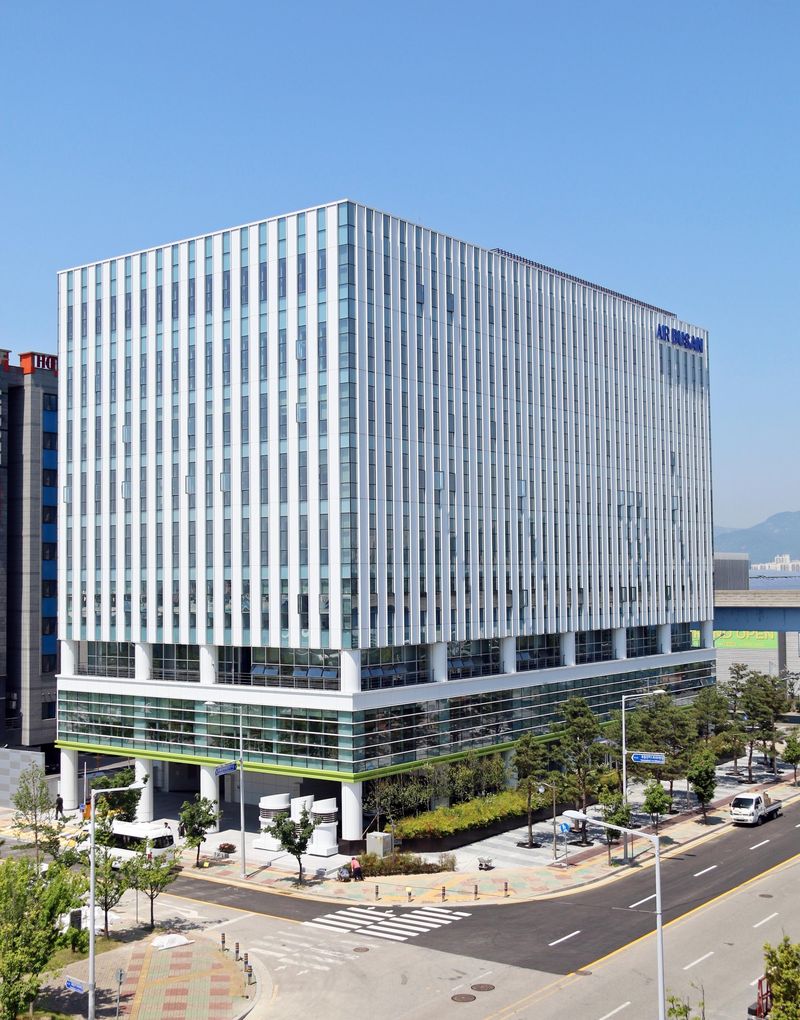
The district says relocation costs could also be reduced. The existing Air Busan headquarters building in Daejeo 2(i)-dong and the first in-house crew training facility established by an LCC could be put to immediate use, saving the substantial upfront capital and time needed to build a new headquarters, among other costs.
The aviation maintenance, repair and overhaul (MRO) ecosystem is also specialized. By linking Korean Air's Tech Center in Gangseo-gu with the project to build a future aviation cluster in Second Eco Delta City, the district says it could maximize parts procurement and maintenance efficiency.
The district also cited the sustained growth of aviation tourism as a reason to attract the headquarters. It expects to channel growing tourism demand into stronger route competitiveness for the integrated LCC, building on Busan's foreign tourist growth rate of 45.9%, which exceeded the nationwide rate of 21.6% from January to August.
Finally, the district emphasized that it offers excellent living conditions and tailored administrative support. Drawing on housing and medical infrastructure in areas such as Myeongji International New Town and Eco Delta City, it plans to support the stable settlement of employees' families and provide one-stop administrative support through the district office.
The district requested a formal meeting with the CEOs of Korean Air and Jin Air in a letter, in order to discuss directly the specific development plans for the headquarters site and Busan as a base. It also proposed inviting working-level staff from the integrated LCC to Gangseo-gu for an on-site inspection tour, so they could see and experience firsthand the aviation industry infrastructure and residential neighborhoods.
District Mayor Park Sang-jun said, "Establishing the integrated Jin Air's headquarters in Gangseo-gu, Busan, would dispel some people's concerns about the loss of a regional hub airline and be the best possible solution for strengthening the company's global competitiveness while advancing South Korea's aviation industry. We will bring all the district's administrative capabilities to bear and provide our full support."
[email protected] Byun Ok-hwan Reporter