Jeju UNESCO Global Geopark earns ‘Green Card’ for fourth consecutive time, extending UNESCO status by four years
- Input
- 2026-11-11 13:40:12
- Updated
- 2026-11-11 13:40:12
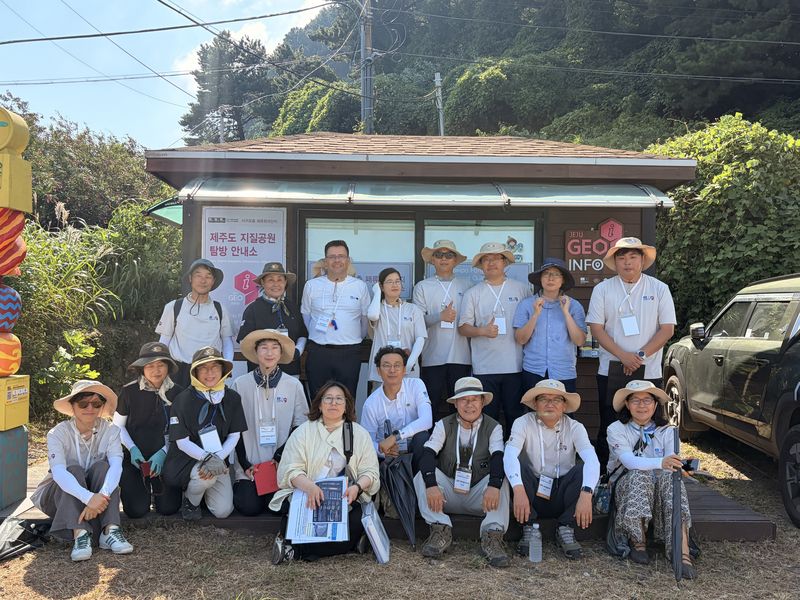
【Financial News Jeju = Jeong Yong-bok, Reporter】 Jeju’s UNESCO Global Geopark has earned the top rating, a ‘Green Card,’ for the fourth consecutive time in its revalidation, allowing it to retain its international designation for another four years. Its resident-participation-based geotourism and integrated management system linking World Natural Heritage sites and Biosphere Reserves received positive assessments.
According to the Jeju Special Self-Governing Province on the 11th, the 11th UNESCO Global Geoparks Council reviewed Jeju’s revalidation at a meeting in Paris, France, on the 3rd and unanimously awarded it a Green Card. UNESCO officially announced the council’s decision on the 6th.
Since becoming the first site in Korea certified as a Global Geopark in 2010, Jeju has passed all four revalidations—in 2014, 2018, 2022 and this year. As a result of the latest decision, it will retain its Global Geopark status through 2030.
The UNESCO Global Geopark designation is a framework for conserving internationally significant geological heritage while using it for education, tourism and the sustainable development of local communities. Even after designation, sites are evaluated every four years on their conservation and management efforts and record of resident participation.
Sites that meet the evaluation criteria receive a Green Card, which allows them to retain their status for four years. Those that fall short receive a Yellow Card and a two-year period to make improvements; if they still fail to improve, they may lose their status. At this 11th council meeting, 60 Global Geoparks received Green Cards.
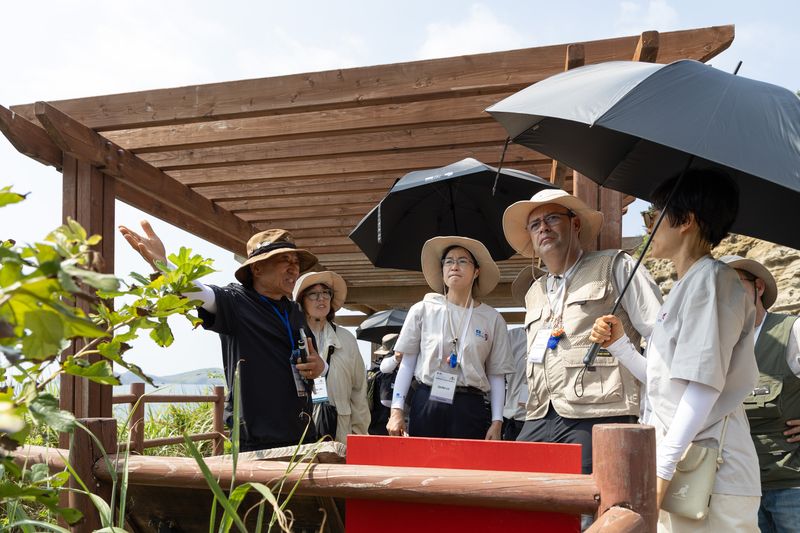
Jeju’s high evaluation reflects an approach that links geological heritage conservation with resident participation. The UNESCO council cited as key strengths the involvement of local residents and partner businesses in geopark operations, and the integrated management of the Global Geopark, World Natural Heritage sites and Biosphere Reserves.
In particular, efforts to connect geological heritage with biodiversity and cultural heritage and use them for education and promotion were rated an ‘outstanding achievement.’ The legal protection of geosites and regular expert checks on their conservation status also received positive assessments.
Over the past four years, Jeju Province has carried out cleanups at geosites with local partner businesses and operated Geo-Trail, a visitor program involving residents, and Geo-School, a geology education program. It also promoted a Geo-Brand initiative linking the training of geopark guides with local specialty products and experiential offerings.
Geo-Brand refers to products and experiential programs developed using the region’s geological, natural and cultural resources. The initiative aims to connect geological heritage conservation efforts with resident participation and the local economy.
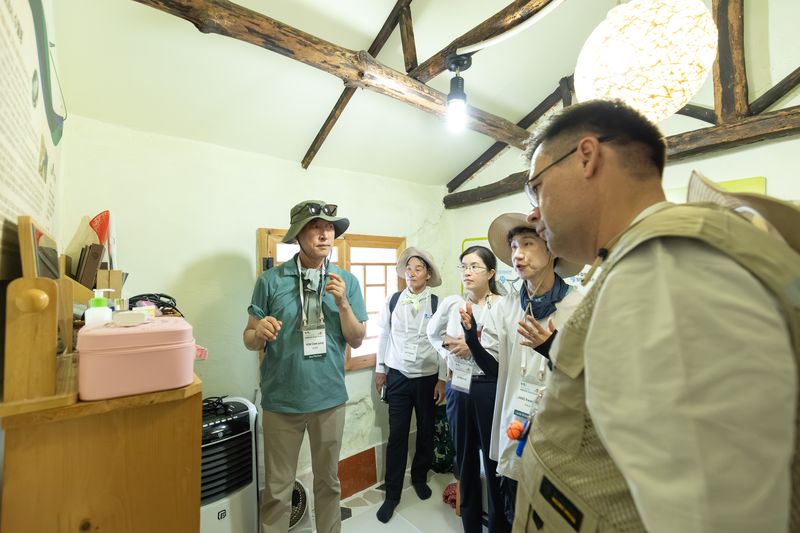
The UNESCO-appointed evaluators, Carlos Neto de Carvalho of Portugal and Lu Qinpei of China, conducted an on-site evaluation in Jeju from August 3 to 6. They inspected the management of major geosites, including Seongsan Ilchulbong and Suwolbong Peak, and heard from residents, geopark guides and Geo-Brand partner businesses.
Measures recommended during the 2022 revalidation—including protecting the Seogwipo Formation and strengthening guidance on visitor rules, improving safety and accessibility for visitors to Manjanggul Cave, and creating a geological map for the public—were also assessed favorably overall.
Passing revalidation does not mean that all conservation and management challenges have been resolved. UNESCO identified further priorities, including greater investment in geosite conservation, sustainable geotourism, expanded education and interpretive programs for different audiences, and stronger operational capacity for Geo-Brand.
Jeju Province plans to check the final recommendations in UNESCO’s official meeting report, draw up an implementation plan, and consider incorporating it into the fifth Jeju Geopark Management and Operation Plan.
Kim Hyeong-eun, head of Jeju Province’s World Heritage Headquarters, said, “Passing revalidation four times in a row is the result of local residents, geopark guides and partner businesses working together to protect geological heritage,” and added, “We will systematically conserve geosites in coordination with World Natural Heritage sites and Biosphere Reserves, and expand opportunities for Jeju residents and visitors to experience them.”
[email protected] Jeong Yong-bok Reporter