Busan Metropolitan City Office of Education Draws Up 2027 Budget of 5.6743 Trillion Won, Strengthens AI and Student-Tailored Education
- Input
- 2026-11-11 14:00:00
- Updated
- 2026-11-11 14:00:00
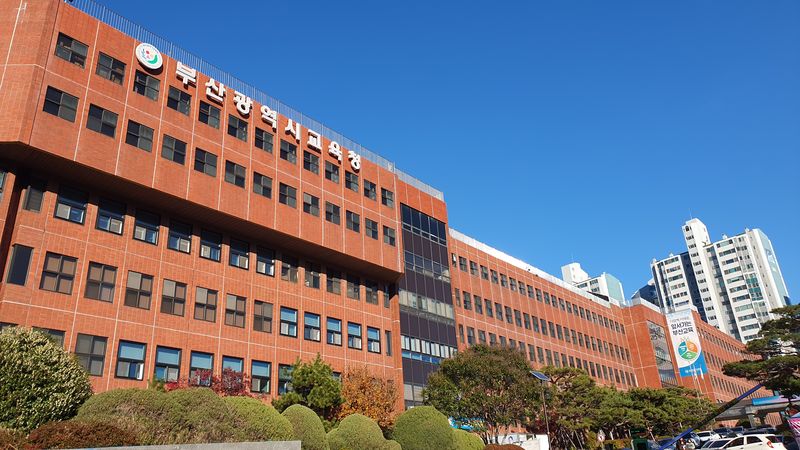
[Financial News] The Busan Metropolitan City Office of Education has drawn up a 2027 education budget of 5.6743 trillion won and will focus spending on AI-based innovation in future education, ensuring basic academic proficiency, and creating a safe educational environment.
Kim Seok-jun, superintendent of the Busan Metropolitan City Office of Education, said at a press conference on the 11th that he had submitted a 2027 budget proposal to the Busan Metropolitan Council, up 142.7 billion won (2.6%) from the original 2026 budget.
Amid difficult conditions, including uncertainty over the fiscal outlook and rising labor costs, the budget proposal focuses on streamlining existing programs and strengthening future education and tailored support for students.
First, 120.1 billion won has been allocated to future education that will lead the way in the AI era. With a budget of 42.1 billion won, the office will develop an AI-supported system for descriptive- and essay-response assessments, provide generative AI for teaching and learning in elementary, middle and high schools, and operate AI-focused schools, among other initiatives. In connection with these efforts, it plans to use 71.5 billion won from the Education Informatization Fund to replace 42,600 smart devices for learning and approximately 3,500 outdated PCs for teachers.
A total of 147.7 billion won will go toward tailored education to support academic achievement and emotional well-being. The office has allocated 41.1 billion won for tailored academic improvement, including 3.2 billion won to operate consulting services and support centers to ensure basic academic proficiency and 13 billion won for self-directed learning support in high schools. Starting next year, it will expand eligibility for after-school program vouchers from third-grade elementary school students to include fourth-grade students.
The office also plans to allocate and provide 25.9 billion won for career guidance, college admissions and vocational education, including operating district and county career education support centers and restructuring vocational high schools.
A total of 1.1522 trillion won has been allocated to safe education for teachers and students. To ease the burden of managing safety during elementary school field trips, the office will expand support to allow one safety officer to be assigned for every 25 students. It has allocated a total of 417.7 billion won for initiatives including establishing a staff wellness center, protecting teachers’ educational activities, establishing parent support centers, and operating and improving school meal services and facilities. Another 734.5 billion won will go toward renovating aging facilities, building new schools, managing information security and other areas.
In education welfare, support for field-trip expenses for second-year high school students will rise from 400,000 won to 700,000 won, and out-of-school youth will receive 50,000 won per month for educational participation activities. The office has allocated 28.9 billion won for special education, including building and expanding special schools and classes and providing treatment costs and assistive technology devices for students eligible for special education. It has also allocated 3.2 billion won for multicultural education, including plans to establish Glocal Middle Schools to foster global talent among students from immigrant backgrounds.
A total of 67.1 billion won has been allocated to civic education. The office plans to strengthen experiential history education and education in economics, finance and the constitution, while building infrastructure for marine, ecological and environmental, and lifelong education. Initiatives include establishing a Busan Marine AI Education Center, operating a Busan Environmental Experience Education Center, and supporting accredited lifelong education facilities, with the aim of promoting civic education that draws on history and regional characteristics.
In addition, school operating expenses have been restructured to ease the burden on schools and expand their fiscal autonomy, with a total increase of 14.8 billion won allocated.
Superintendent Kim said, “The 2027 budget proposal was drawn up to strengthen AI and digital capabilities while also cultivating AI ethics and critical thinking, provide academic and emotional support tailored to each student, and create a safe educational environment for both students and school staff.” He added, “We will build a future education environment where students and school staff can grow together.”
The 2027 budget proposal is expected to undergo a preliminary review by the Busan Metropolitan Council’s Board of Education and a comprehensive review by its Special Committee on Budget and Accounts starting in late November, before receiving final approval at a plenary session on December 10.
[email protected] Kwon Byeong-seok Reporter