Out of step with the U.S., at odds with Russia, divided at home... Europe faces a triple burden over ending the war in Ukraine
- Input
- 2026-11-11 16:41:54
- Updated
- 2026-11-11 16:41:54
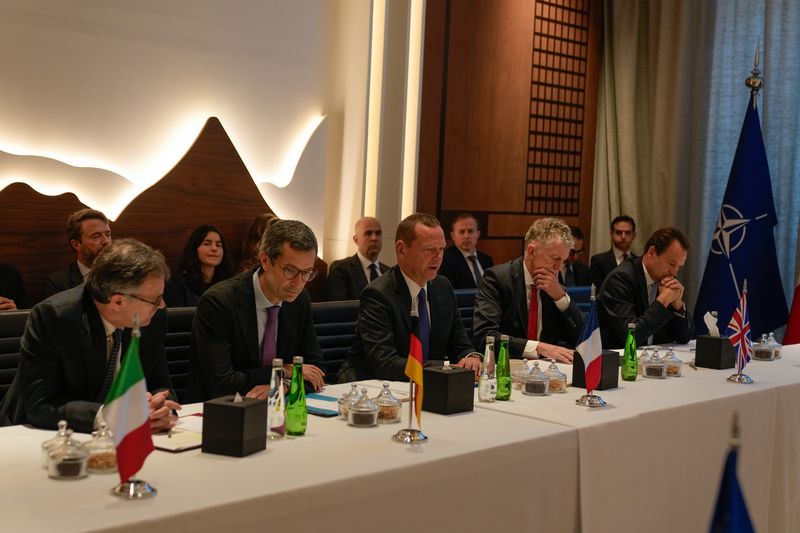
On the 10th (local time), France’s AFP, the U.S. Associated Press and other outlets reported that delegations from the United Kingdom, France, Germany, Italy, the European Union (EU) and NATO had gathered in Abu Dhabi, UAE, ahead of trilateral talks among the U.S., Russia and Ukraine, saying, “European security must not be discussed without Europe.” They reportedly met separately with the U.S. and Ukraine before the trilateral talks.
Earlier, the Kremlin rejected Europe’s participation in the negotiations, saying, “This is being conducted by Russia and Ukraine with U.S. mediation,” but major European countries pressed the U.S. to include Europe. Europe was concerned that U.S. President Donald Trump, who has shown a conciliatory attitude toward Russian President Vladimir Putin, might pressure Ukraine into accepting unfavorable terms for a peace deal that would amount to surrender. In this regard, POLITICO Europe reported that “Europe was most concerned that President Trump might agree to President Putin’s longstanding demand to reduce NATO’s influence on the European continent.”
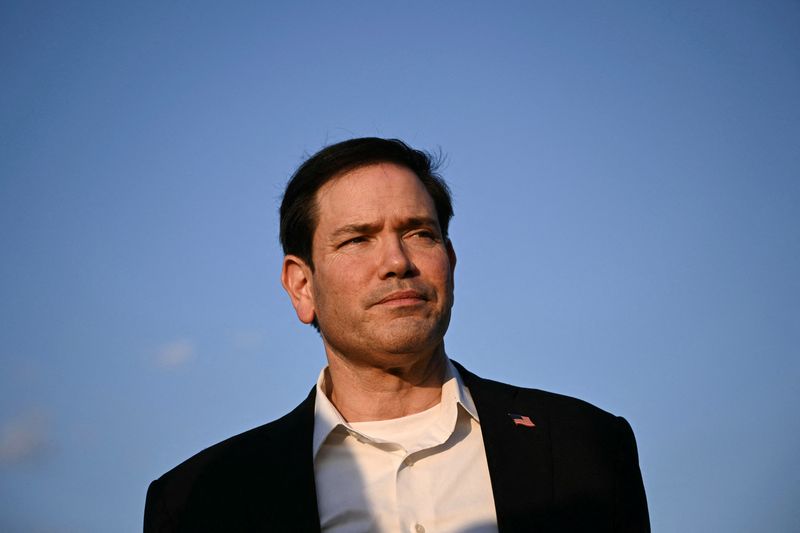
U.S. Secretary of State Marco Rubio said, “Our goal is eventually to expand the trilateral talks so that European representatives, as well as the U.S., Russia and Ukraine, can sit directly at the negotiating table.” In effect, Europe emphasized strengthening security with NATO at its center, while the U.S. stressed that it would expand the negotiations to include European security issues by bringing Europe into them.
On this, POLITICO Europe noted that “the future security framework for Europe is an extremely sensitive issue for European countries, and the sequence of steps—such as whether to include it as part of a peace agreement for Ukraine or discuss it after the agreement—is becoming a critical question.”
In this regard, European Commission President Ursula von der Leyen had stressed the previous day that “meaningful discussions on European security can take place only after a ceasefire in Ukraine.” She had also emphasized that “discussions on European security must take place in the appropriate forum, particularly with NATO allies and EU member states participating together.”
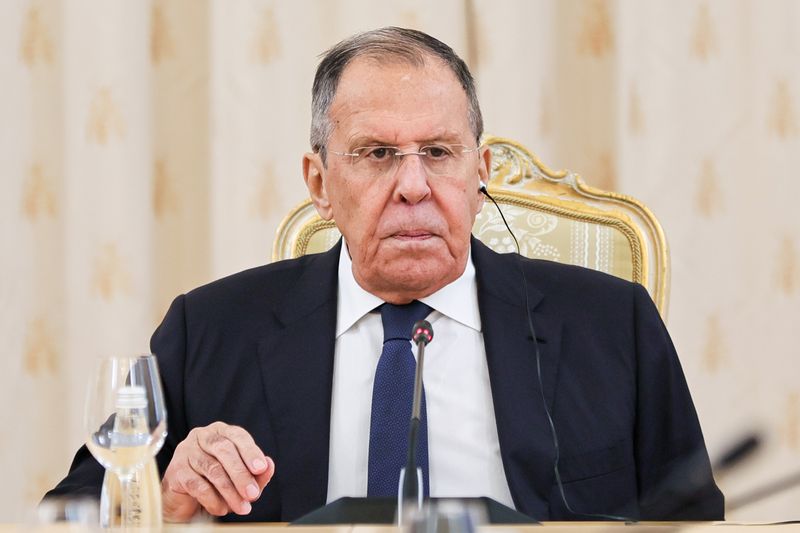
However, Russian Foreign Minister Sergey Lavrov rejected the European side’s proposal that a ceasefire come first, followed by security talks. He said, “Europe is trying to buy the Ukrainian regime time and help it somehow make up for its military losses,” and argued that “it is entirely reasonable to first establish a clear basic framework for the future security system and then move on to resolving the Russia-Ukraine conflict.”
The British Broadcasting Corporation (BBC), noting that views on the “postwar security structure” differ, said, “Russia’s longstanding ambition to push NATO far back from Eastern Europe is something that terrifies Europe.”
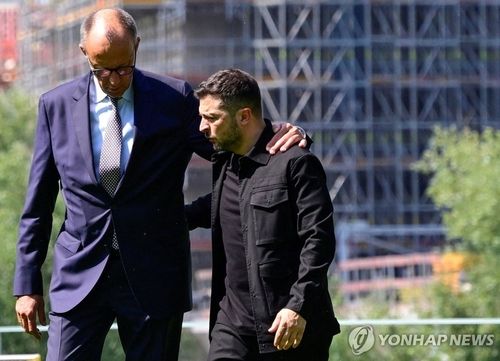
Slovak Prime Minister Robert Fico, whose country is relatively close to Russia, responded, “What the German chancellor is doing is classic blackmail,” adding, “We will not give in to it.” Czech Prime Minister Andrej Babiš also made clear his opposition to aid for Ukraine, saying, “I don’t know why [the German chancellor] is saying that.”
With differences among the U.S., Russia and Europe over the scope and sequence of peace negotiations compounded by internal European divisions over aid to Ukraine, the calculations involved in finding a way to end the war appear to be growing even more complicated.
[email protected] Hong Chae-wan Reporter