“What if your parents suddenly stop eating?” ... What seemed like simple fatigue turned out to be pneumonia [Health Talk]
- Input
- 2026-11-11 09:50:57
- Updated
- 2026-11-11 09:50:57
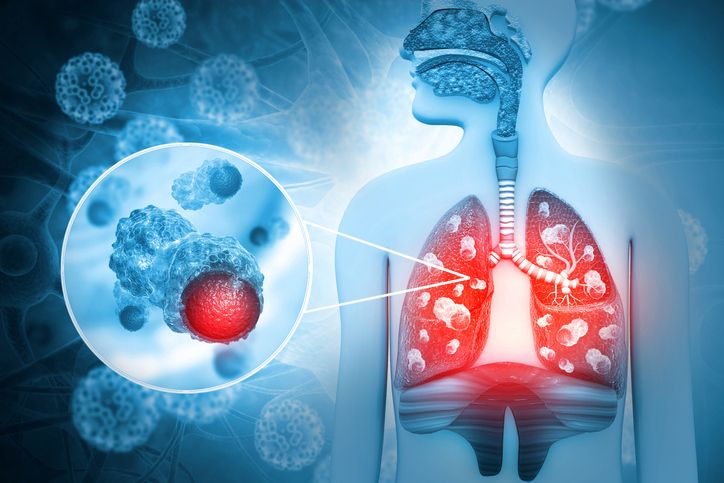
[Financial News] You can have pneumonia even without a cough or fever. In older adults, loss of appetite, sudden weakness or confusion may be the first sign of pneumonia.
Lee Jong-min, a professor of pulmonology at The Catholic University of Korea, Seoul St. Mary’s Hospital, said, “Even when older adults develop pneumonia, nonspecific symptoms such as loss of appetite, a sharp decline in energy or changes in consciousness often appear before typical respiratory symptoms like fever or coughing, making early detection difficult.” He urged family members and caregivers to watch closely for physical or behavioral changes from the person’s usual state.
The risk grows when pneumonia is detected late. According to the Ministry of Data and Statistics’ 2025 Cause-of-Death Statistics, pneumonia ranked third among causes of death in Korea, after cancer and heart disease. Among people aged 80 and older, it was the second-leading cause of death, after cancer.
As people age, their ability to defend against bacteria and viruses declines, and their cough reflex weakens, making them more vulnerable to infection. Those with underlying conditions such as diabetes, cardiovascular disease or chronic obstructive pulmonary disease are also at greater risk of pneumonia worsening into sepsis or respiratory failure. A lengthy hospital stay or intensive care treatment for severe pneumonia can reduce muscle mass and physical function, substantially affecting daily life—for example, making it difficult to get around even after the pneumonia has cleared.
Bacteria in the mouth can enter the airways ... Beware of “secondary pneumonia” after the flu
Pneumonia often develops when bacteria in the mouth and throat enter the airways. “Microaspiration”—when small amounts of bacteria mixed with saliva or secretions trickle into the airways—happens repeatedly to everyone. In healthy people, the lungs’ immune system and the airways’ defenses clear the bacteria, so this usually does not lead to pneumonia. But when immunity is weakened or a viral infection such as a cold impairs the airways’ defenses, bacteria can multiply in the lungs and develop into pneumonia.
Particular care is needed to prevent secondary bacterial pneumonia after influenza or respiratory syncytial virus (RSV) infection. Viruses damage the epithelial cells lining the airways and impair the function of cilia, which move mucus and foreign particles out of the airways. This creates conditions in which bacteria can more easily invade and multiply. Professor Lee stressed, “Older adults, people with chronic illnesses and those who are immunocompromised are at higher risk of developing severe pneumonia after an infection, so they should take extra care to prevent respiratory infections during flu season.”
Seek medical care if symptoms haven’t improved after 2–3 days ... Never take antibiotics on your own
Pneumonia’s early symptoms resemble those of a cold, so it is easy to miss the window for treatment. It is advisable to seek medical care if you have shortness of breath or chest pain along with a cough, phlegm or fever. If symptoms worsen or do not improve after 2–3 days, do not assume it is just a cold.
Hospitals use imaging tests such as chest X-rays and blood tests to determine whether a patient has pneumonia and how severe it is. Treatment depends on the cause. Bacterial pneumonia is treated with antibiotics, while viral pneumonia may be treated with antivirals or symptom-relief measures, depending on the virus and the patient’s condition. Professor Lee said, “Antibiotics do not help with viral infections. Don’t take antibiotics on your own just because you suspect pneumonia; get an accurate diagnosis and treatment appropriate to the cause.” Patients with severe illness may need to be hospitalized for respiratory support, including supplemental oxygen.
Vaccination comes first ... There are no “foods that are good for the lungs”
Vaccination is the most important way to prevent pneumonia. People should get a flu shot every year and, in consultation with a healthcare professional, receive pneumococcal, COVID-19 and RSV vaccines at the appropriate time based on their age and health. Vaccination not only prevents infection but also lowers the risk of severe illness if an infection occurs.
Make a habit of washing your hands after going out, and wear a mask if you have respiratory symptoms or are in a crowded indoor space. To reduce the risk of bacteria in the mouth entering the airways, take care of your oral health, including by brushing your teeth. Smokers should quit, and it is also important to maintain good health through regular physical activity and sufficient sleep.
People also often ask whether there are any foods that are especially good for the lungs. Professor Lee explained, “There is still no solid medical evidence that any particular food directly prevents pneumonia. Older adults may eat less and have reduced digestive function, making nutritional imbalances more likely; a lack of nutrients can weaken immune function and make them more vulnerable to infection.” He added, “Rather than relying on any particular food, it is best to maintain a regular, balanced diet.”
[email protected] Jung Myung-jin, medical correspondent Reporter