Polestar Unveils ‘Formula 2030’ Concept Car, to Apply Its Design to Polestar 2 and 7
- Input
- 2026-11-11 08:20:40
- Updated
- 2026-11-11 08:20:40
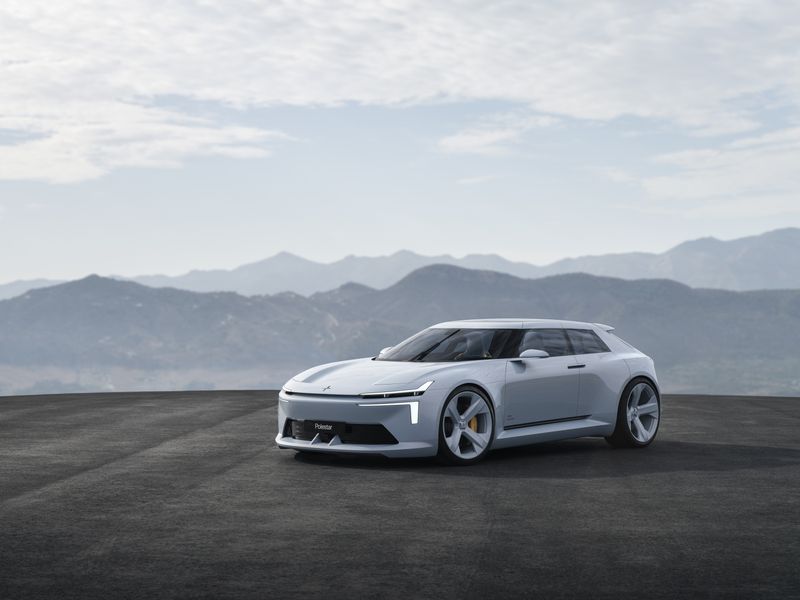
[Financial News] Swedish electric vehicle brand Polestar has unveiled its next-generation EV design strategy and is setting out to enhance the appeal of future models. The strategy combines the dynamic design of sports cars with AI-based digital technology and eco-friendly materials. In particular, Polestar plans to apply the design elements unveiled this time to future production models, including the next-generation Polestar 2 and Polestar 7, to strengthen the brand’s competitiveness.
Polestar announced on the 11th that it had unveiled the ‘Formula 2030’ concept car, which gives concrete form to its future design strategy. The concept car is the first show car presented under design chief Philipp Römers. It carries forward the brand’s existing design while enhancing performance and sustainability.
Philipp Römers, Polestar’s head of design, said, “The Formula 2030 concept car is a result that shows how Polestar’s core values of design, performance and sustainability can be embodied in future production models,” adding, “We sought to boldly evolve Polestar’s distinctive design DNA and further establish performance as a core part of the brand’s identity.”
The concept car has a four-door sports-car body measuring 4,680 mm in length, 2,021 mm in width and 1,350 mm in height, with a 2,780 mm wheelbase. Its low, wide body, long hood, short overhangs and 22-inch wheels create a design that emphasizes driving performance.
The front features dual-blade headlights inspired by the Polestar 3. This design is also set to appear on the front end of the next-generation Polestar 2, scheduled for a global launch in 2027. At the rear, a new single-blade rear light replaces the existing full-width light bar.
In particular, the B-pillar at the center of the body has been removed, and the front and rear doors open in opposite directions, facing each other, to make getting in and out easier. The rear features a spoiler, diffuser and other elements designed with aerodynamics in mind.
The interior is configured as a driver-focused performance cockpit. A 20-inch driver information display is mounted on the steering column, while a 12.2-inch display sits on the center tunnel. Display positions and seat settings change according to three driving modes: Performance, Normal and autonomous driving.
The system also enables natural voice conversations by integrating the generative AI Gemini with Google built-in. Eight physical controls for adjusting functions are located below the center display.
The use of eco-friendly materials has also been expanded. A single, fully recyclable material is used inside the doors, while the seat frames use low-emissions steel produced with recycled materials and renewable energy. The seatbacks also incorporate natural flax fibers and bio-based materials.
Polestar plans to bring the design direction presented in this concept car to production models, including the next-generation Polestar 2 and Polestar 7. Its strategy is to strengthen its push into the premium EV market by differentiating itself not only through electrification technology but also through design, digital experiences and sustainability.
[email protected] Dongho Kim Reporter