General Motors integrates next-generation batteries and powertrains, boosting EV efficiency by 20%
- Input
- 2026-11-11 08:14:57
- Updated
- 2026-11-11 08:14:57
[Financial News] General Motors (GM) is moving to secure price competitiveness with a next-generation electric vehicle platform that integrates batteries and the drive system. The key is to use next-generation batteries that offer 33% higher energy density at a cost similar to lithium iron phosphate (LFP) batteries, while reducing drivetrain components by 40% to lower production costs. The strategy is to improve the vehicle’s overall energy efficiency and accelerate the popularization of electric vehicles.
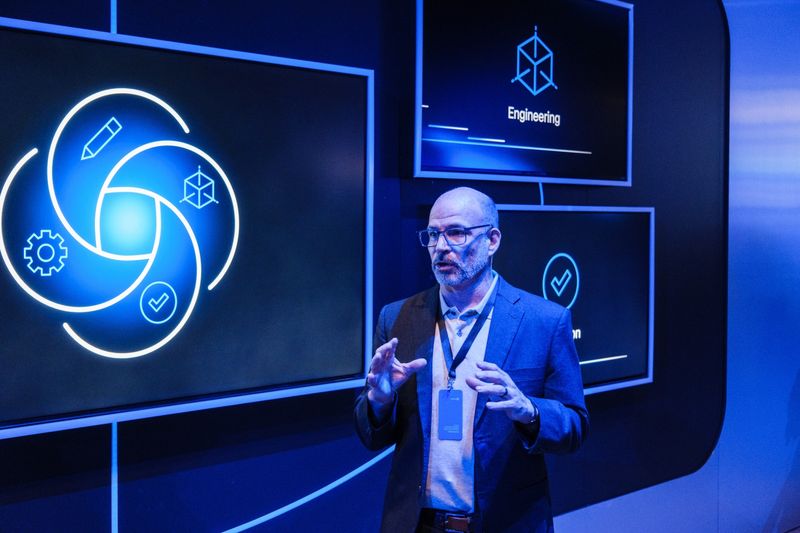
GM said on the 11th that it had unveiled its development plans for a fourth-generation electric vehicle (EV) platform combining batteries, an electric drive system and centralized computing at the GM Forward event held in New York, U.S., on the 21st of last month (local time).
Rather than following the conventional approach of improving the performance of individual components, this platform focuses on designing the entire vehicle as a single system. Based on its initial development review, GM expects that combining a new battery and drive unit with aerodynamic improvements could increase driving range per 1 kWh of energy by about 20% compared with current vehicles.
At the heart of the platform is a next-generation lithium-manganese-rich (LMR) prismatic battery. GM is developing it with the goal of increasing energy density by 33% at a cost similar to LFP batteries. The aim is to reduce the battery pack’s size and weight while maintaining driving range.
In particular, the LMR prismatic batteries are to be produced at the Spring Hill plant in Tennessee, U.S., operated by Ultium Cells LLC, a joint venture between GM and LG Energy Solution. Cooperation with Korean battery companies has thus become a key pillar of GM’s next-generation EV strategy.
The electric drive system is also being redesigned with a focus on efficiency. The new drive unit features smaller motors and power electronics, with 40% fewer internal components than before. It is expected to reduce vehicle weight, provide more space for passengers and cargo, and cut production costs.
Centralized computing technology will also be used. This approach reduces the number of in-vehicle control modules and wiring while improving energy management efficiency. GM plans to improve the responsiveness of displays and voice controls, while continuing to enhance features such as Super Cruise, its driver-assistance system, and OnStar, its connected services platform.
A GM official said, “The plan is to expand the use of the next-generation platform across major EV segments,” adding, “The strategy is to reduce battery costs and vehicle weight while increasing driving range and space utilization, thereby securing both product appeal and price competitiveness for electric vehicles.”
With affordability and driving range still major factors in EV purchasing decisions, integrated design that improves both battery materials and the drive system is expected to determine GM’s competitiveness in electrification going forward.
[email protected] Dong-ho Kim Reporter