LG Energy Solution and Samsung SDI to mass-produce LFP batteries for AI servers next year, targeting data centers
- Input
- 2026-11-11 07:58:44
- Updated
- 2026-11-11 07:58:44
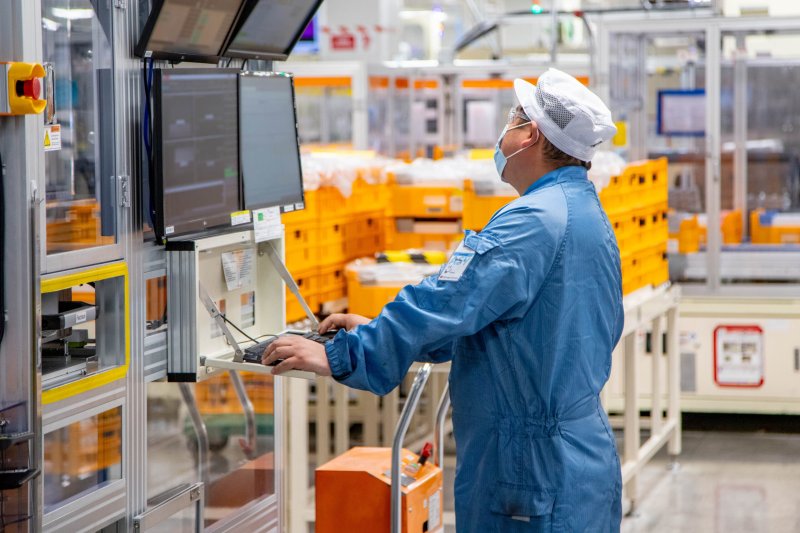
[Financial News] LG Energy Solution and Samsung SDI will begin mass production of lithium iron phosphate (LFP) batteries for AI servers in the second quarter of next year. They are expanding the use of LFP beyond electric vehicles and energy storage systems (ESS) to the backup power market for AI data centers. As AI server power consumption surges, the companies are expected to move quickly to capture new demand by emphasizing high output, price competitiveness and safety.
According to the battery industry on the 11th, LG Energy Solution is preparing to produce cylindrical LFP batteries for server battery backup units (BBUs) at its Ochang Energy Plant in Cheongju, North Chungcheong Province, targeting mass production in the second quarter of next year. A BBU is a device that immediately supplies power to a server in the event of an outage or power fluctuation.
The product under development by LG Energy Solution is in the 2170 format, measuring 21 mm in diameter and 70 mm in height, and uses tabless technology to improve current flow. It is designed to reduce internal resistance and heat generation, enabling high power output for brief periods.
Noh In-hak, managing director of small battery planning and management at LG Energy Solution, said on a recent earnings call, “We are preparing to begin mass production of LFP 2170 batteries for BBUs in the second quarter of next year,” adding, “They have performed exceptionally well in thermal safety tests compared with NCM products, and we are receiving positive feedback from customers.”
Samsung SDI is also pursuing mass production of cylindrical LFP batteries around the same time. It is expanding its product lineup from the existing 18650 format to the higher-capacity 21700 format, while diversifying its materials beyond high-nickel ternary chemistries to include LFP. At a data center exhibition in Singapore last September, it showcased both high-output, high-capacity ternary products and LFP products.
Oh Jae-kyun, Samsung SDI’s vice president in charge of corporate support, said on the third-quarter earnings call, “We plan to secure additional new customers and diversify our customer base, while expanding our product lineup by moving to larger form factors, from 18 mm to 21 mm, and diversifying materials from high-nickel chemistries to LFP.”
The increase in power demand from AI servers is driving both companies to accelerate the development of LFP products. As the use of high-performance graphics processing units (GPUs) grows, backup power systems are also required to provide greater output and storage capacity. In particular, as the “sidecar” configuration—where BBUs are installed separately from server racks—becomes more widespread, the potential uses for LFP batteries, which have relatively low energy density, are also increasing.
LFP has advantages over ternary batteries in raw material costs and thermal stability, but its lower energy density is a limitation. In response, domestic battery makers are compensating for its output-performance limitations with measures such as tabless designs.
[email protected] Kim Dong-ho Reporter