Gangwon mounts all-out response to heavy snow and cold waves this winter... secures about 3,600 pieces of snow-removal equipment
- Input
- 2026-11-10 17:19:01
- Updated
- 2026-11-10 17:19:01
【Financial News, Chuncheon = Kim Gi-seop, reporter】The Gangwon State Government will take on heavy snow and cold waves this winter with a proactive response, deploying equipment and personnel in advance from the preliminary advisory stage rather than simply clearing snow after it has accumulated.
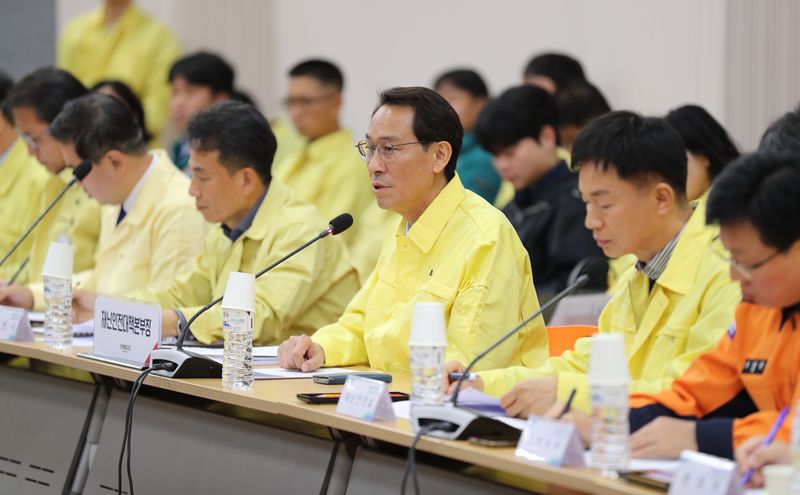
According to Gangwon Province on the 10th, the province will designate the four-month period from the 15th through March 15 next year as its winter natural disaster preparedness period and launch an all-out response to heavy snow and cold waves. Ahead of this, a meeting to review preparations for natural disasters in winter was held that day, chaired by Governor Woo Sang-ho and attended by relevant agencies—including the Gangwon Regional Meteorological Administration, the Wonju Regional Land Management Office, Korea Electric Power Corporation and military units—as well as representatives from all 18 cities and counties and provincial departments working together.
The province has secured about 3,600 pieces of equipment, including snowplows and tractors used to clear snow in villages, and will gradually stockpile about 132,000 metric tons of deicing materials during the response period—more than the required reserve level. It will spread deicing materials in vulnerable sections before snowfall and increase patrols during commuting hours. If localized heavy snowfall of 50 cm or more is forecast, the province and city- and county-level road management departments will activate an emergency response team for winter snow-removal support, mobilizing equipment and personnel at short notice.
The province will also coordinate with the heavy-snow disaster text alerts that the Korea Meteorological Administration will begin issuing for the first time on December 1. When an alert is sent, cities and counties will immediately check conditions on the ground and begin traffic restrictions, evacuations and intensive snow removal. Governor Woo asked the relevant agencies to notify cities and counties in advance before sending the alerts, as calls from residents who receive them could flood local government offices.
At the meeting, Governor Woo stressed that if signs of danger appear at structures vulnerable to snow accumulation or in areas expected to become isolated, officials should not hesitate to impose restrictions and evacuate people, and that in an emergency they may act first and report afterward. As wet snow, which is two to three times heavier than ordinary snow, and localized heavy snowfall in short periods have become more frequent, he also called for advance inspections of facilities at risk of collapse, including greenhouses, livestock barns and rain shelters at traditional markets.
The province will also strengthen its response to cold waves. As of the end of October, it was operating 1,839 cold-wave shelters and 2,584 cold-wave mitigation facilities, including heated benches and windbreaks, and checking on beneficiaries of its customized care service for older adults every day during cold-wave advisories. From December through February next year, it will operate an emergency department monitoring system for cold-related illnesses. During hazardous weather, residents in vulnerable housing situations who live in greenhouses or containers will be paired one-to-one with resident evacuation support teams to help them evacuate.
Governor Woo Sang-ho said, “When a preliminary advisory is issued, we need to move the equipment first, and even if the forecast proves wrong, it is not a mistake to have acted in advance.” He added, “We will carefully look after residents living in greenhouses and groups vulnerable to cold waves, too, and the province, its cities and counties, and relevant agencies will work as one team to protect the safety of our residents.”
[email protected] Kim Gi-seop Reporter