Je Se-young, University of Seoul professor, wins top paper award from Asian Preventive Cardiology Society
- Input
- 2026-11-10 16:37:25
- Updated
- 2026-11-10 16:37:25
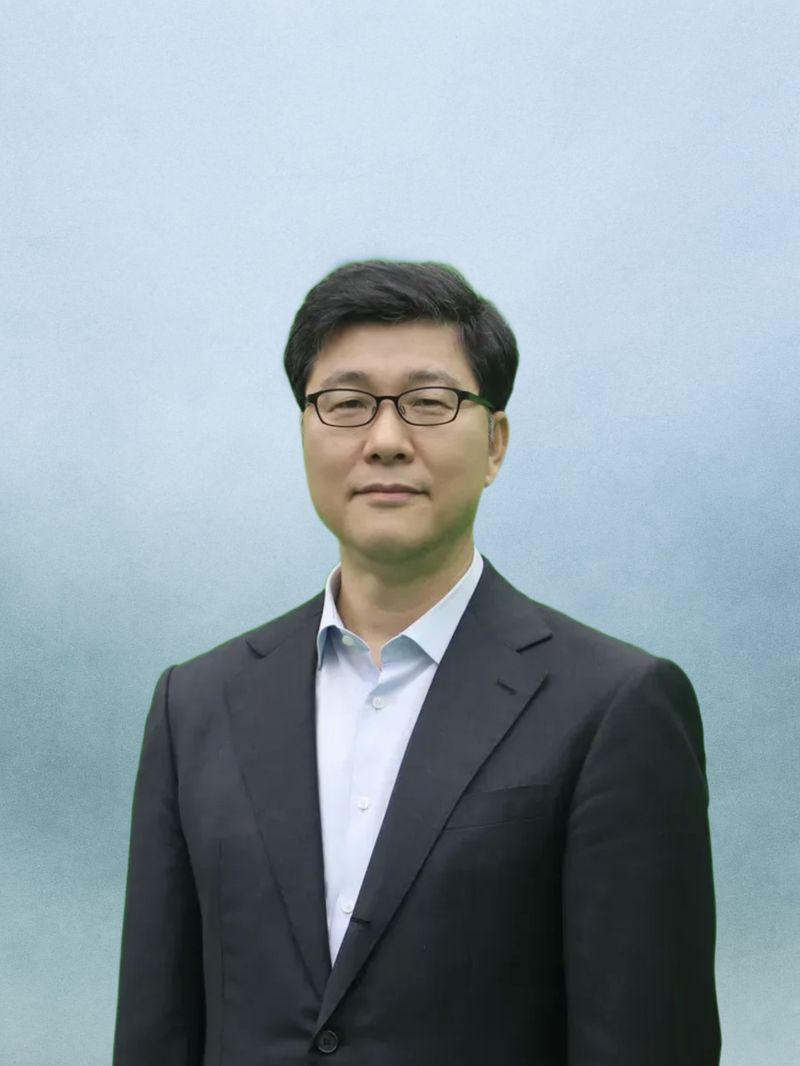
[Financial News] The University of Seoul said on the 10th that Professor Je Se-young of its Department of Sport Science had won the Best Paper Award in the field of cardiac rehabilitation at the 11th Asian Preventive Cardiology and Cardiac Rehabilitation Conference (APCCRC 2026), held in Hong Kong. The award is the Suet-Ting Lau Best Paper Award.
The award is significant because it recognizes the presentation of new standards for personalized exercise prescriptions and cardiovascular health management at an internationally prestigious conference attended by cardiovascular prevention and rehabilitation experts from across Asia.
Professor Je Se-young, who currently heads the Urban Senior Health and Exercise Research Institute at the University of Seoul, said, “I will continue field-based research from the perspective of exercise cardiovascular physiology to prevent cardiovascular disease and promote health among older adults and adults in urban areas.”
Professor Je’s research paper argues that cardiovascular disease risk can be predicted more accurately by considering a person’s cardiorespiratory fitness as well as the numerical blood pressure readings when interpreting blood pressure measured during exercise.
Professor Je and research professor Kim Hyun-jeong conducted a study of adult men that analyzed systolic blood pressure (peak blood pressure) during exercise together with levels of cardiorespiratory fitness. They found that exercise blood pressure measures adjusted for fitness level were closely associated with cardiovascular damage, including stiffening of the blood vessels or their blockage by buildup. The study was thus recognized academically for showing that taking an individual’s fitness into account when evaluating blood pressure responses during exercise is key to predicting cardiovascular risk.
[email protected] Kim Man-gi Reporter