[On the Ground] Steel, lithium and LNG in one place: POSCO’s “three key resources” come together in Gwangyang
- Input
- 2026-11-10 14:00:00
- Updated
- 2026-11-10 14:00:00
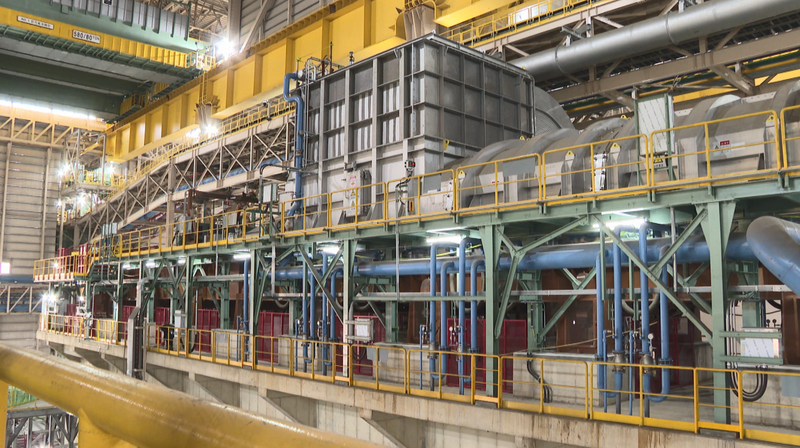
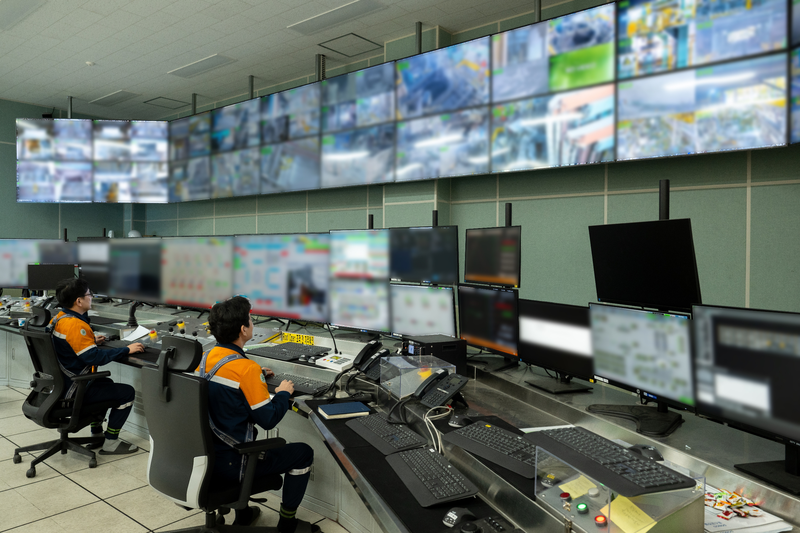
Completed in June, this electric arc furnace has an annual capacity of 2.5 million tonnes, and about 600 billion won was invested in its construction. Unlike conventional blast furnaces, which use coal, it melts steel scrap and other materials in an electric furnace to produce molten steel.
One feature is its continuous-charging method, in which steel scrap is fed continuously into the equipment from the side. This reduces heat loss by eliminating the need to repeatedly open the furnace lid. The plant also uses a blending technology that combines molten steel from the electric arc furnace with hot metal from blast furnaces.
According to POSCO, electric arc furnaces can reduce carbon emissions per tonne of crude steel by up to approximately 75% compared with conventional blast-furnace production. POSCO plans to expand production of high-grade steel, including automotive and electrical steel, using electric arc furnaces.
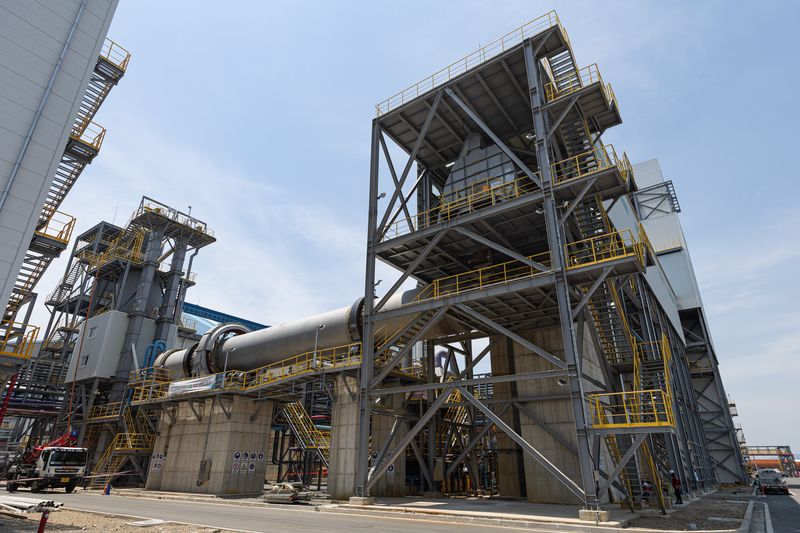
This plant processes lithium feedstock sourced from Australian mines into battery-grade lithium hydroxide. It has an annual production capacity of 43,000 tonnes and uses POSCO’s proprietary electrochemical method and the established commercial causticization method on separate production lines.
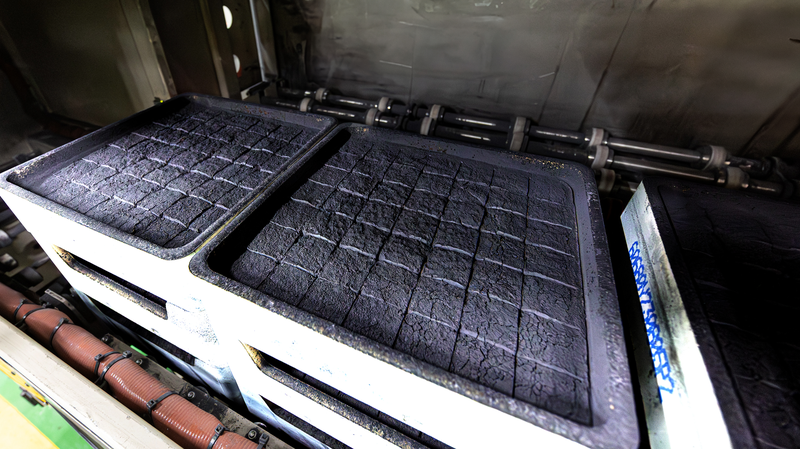
At the nearby POSCO Future M Gwangyang cathode-material plant, lithium hydroxide and other materials are used to produce cathode materials, a key battery component. Cathode materials that have undergone high-temperature heat treatment are held in refractory containers called saggers, while workers inspect the production equipment.
The Gwangyang cathode-material plant has an annual production capacity of 90,000 tonnes. It produces ternary cathode materials with various compositions across 13 production lines. It also has a precursor plant with an annual capacity of 45,000 tonnes. Automated guided vehicles (AGVs) and automatic sample-transfer equipment have been introduced on the production floor.
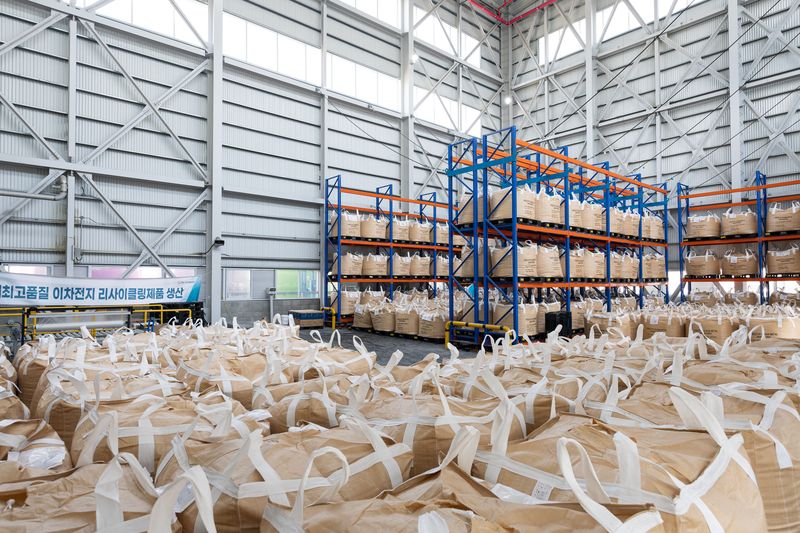
The recovery of materials from end-of-life batteries also takes place here. Metal-recovery and refining equipment lines the interior of the POSCO HY CLEAN METAL plant, while large sacks of the lithium carbonate it produces are stacked in the warehouse.
The plant can process 12,000 tonnes of black mass a year to produce 2,500 tonnes of lithium carbonate, 12,000 tonnes of nickel sulfate and other products. It has established a supply chain that processes feedstock sourced overseas in Korea and recovers metals again from used batteries.
POSCO International stores and regasifies LNG procured overseas at this facility and supplies it to customers in Korea. From the second quarter of next year, it also plans to launch a ship-to-ship LNG fuel supply business using bunkering vessels.
The POSCO AIR SOLUTION rare-gas plant, completed last June, is located at Dongho-an within POSCO Gwangyang Steel Works. White gas storage tanks bearing the words “POSCO AIR SOLUTION” rise high inside the plant.
The plant purifies feed gas obtained from the steelworks’ oxygen plant to produce neon, krypton, xenon, helium and other gases used in the semiconductor and aerospace industries. Its annual production capacity is 130,000 Nm3. The business processes feedstock sourced at the steelworks into materials for advanced industries.
Last July, POSCO Group announced its “Triple-core” strategy, classifying steel as an industrial resource; lithium, cathode materials and rare gases as strategic resources; and LNG and other products as energy resources. Gwangyang has a concentration of production facilities responsible for these three business areas.
A POSCO Group official said, “We plan to expand our steel-centered business structure to encompass key resources such as lithium, secondary-battery materials and LNG, and strengthen our business capabilities from resource acquisition through production and supply.”
[email protected] Kim Mi-hee Reporter