Spent batteries seemed safe—until heat triggered 'thermal runaway'
- Input
- 2026-11-10 13:12:04
- Updated
- 2026-11-10 13:12:04
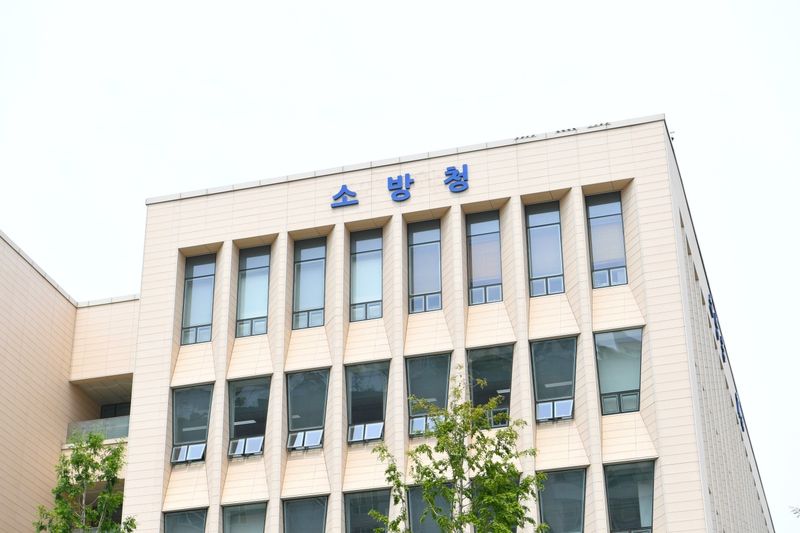
Experimental results show that discarded lithium-ion batteries can catch fire due to electrical energy remaining inside, even after they have been used up.
When the National Fire Research Institute of Korea heated discarded batteries, thermal runaway accompanied by flames occurred when the average residual voltage was 3.94 V or higher. Gas and electrolyte also leaked from batteries that did not catch fire, warranting special caution during collection, storage and recycling.
Lithium-ion batteries are rechargeable batteries widely used in smartphones, laptops, cordless vacuum cleaners, power tools and electric bicycles.
The institute sorted collected cylindrical (18650) discarded lithium-ion batteries by residual voltage and applied heat externally at a constant rate to analyze their fire characteristics. It observed changes in battery temperature, gas emissions, whether flames occurred and patterns of thermal runaway.
The experiment found that thermal runaway did not occur when the average residual voltage was 3.45 V, but gas was released and electrolyte leaked. By contrast, when the voltage was 3.94 V or higher, the battery temperature rose rapidly and thermal runaway accompanied by flames occurred.
Thermal runaway is a phenomenon in which heat-generating reactions inside a battery occur in a chain reaction, causing the temperature to rise rapidly.
This means that even a battery that has reached the end of its use can catch fire when exposed to external heat if energy remains inside. However, the 3.94 V observed in this experiment does not represent the ignition threshold for all discarded batteries.
There have also been a series of actual fires at discarded-battery processing facilities. In January 2024, a fire broke out during battery shredding at a discarded-battery recycling company in Pyeongtaek, Gyeonggi Province. In April 2020, a fire that started during battery dismantling at a discarded-battery processing company in Goryeong County, North Gyeongsang Province, led to a chain of explosions, making it difficult to extinguish.
The National Fire Research Institute of Korea plans to use the results and video from this experiment as safety training materials for facilities that collect, store and recycle discarded batteries.
Kim Yeon-sang, head of the National Fire Research Institute of Korea, said, "This study experimentally confirmed that even discarded batteries that have reached the end of their use can pose a fire risk due to residual electrical energy and external heat."
[email protected] Lee Bomi Reporter