Ulsan City History Reissued; Comprehensive History Volumes Unveiled ... 25 Volumes in All, Including Thematic Histories
- Input
- 2026-11-10 14:05:20
- Updated
- 2026-11-10 14:05:20
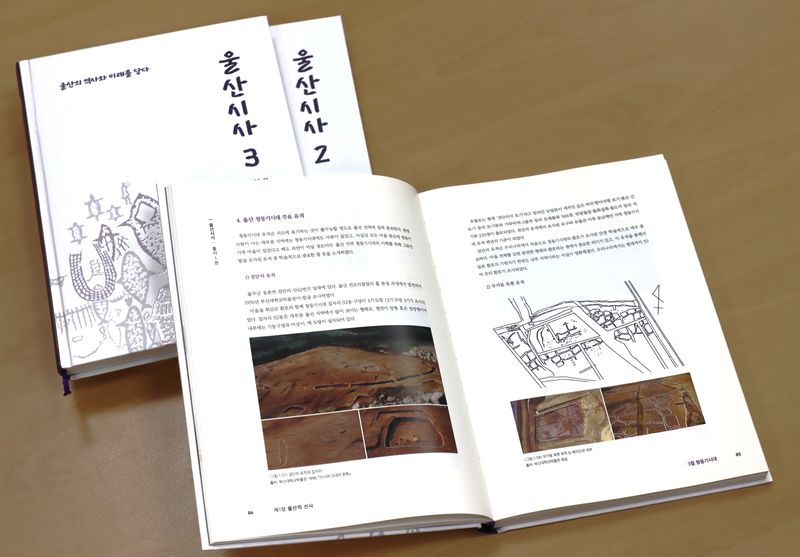
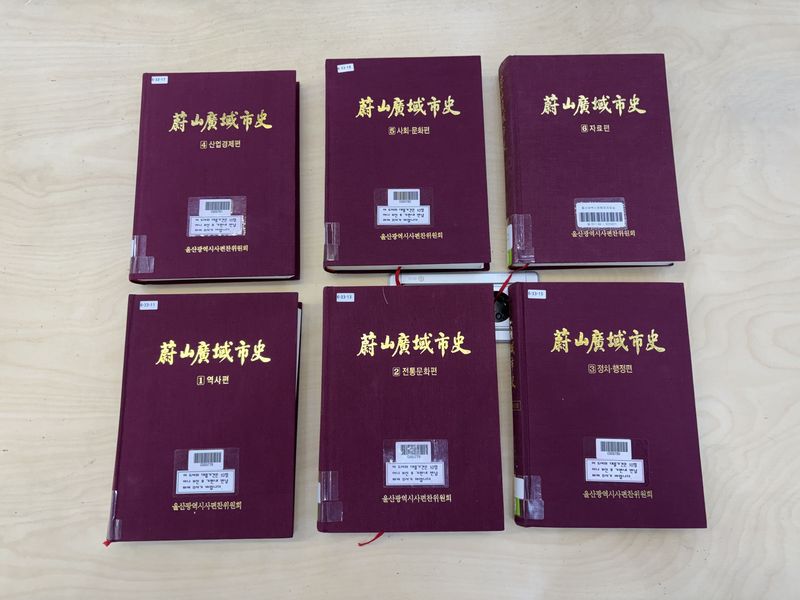
【Financial News Ulsan = Choi Soo-sang】 A new edition of Ulsan City History has been published, a full 25 years after the original came out in 2002, the fifth year after Ulsan Metropolitan City was established.
According to the Ulsan History Research Institute at the Ulsan Research Institute on the 10th, three new comprehensive history volumes have been published, expanding the first, history volume of the existing six-volume city history. The volumes became available online that day and are scheduled to be distributed to the public on the 23rd. To supplement the comprehensive history’s broad overview, volumes 2 (Traditional Culture), 3 (Politics and Administration), 4 (Industry and Economy) and 5 (Society and Culture) of the existing edition will also be revised and expanded, with 20 volumes in total scheduled for publication in batches of three starting next year. Including the two volumes of source materials, the series will comprise a substantial 25 volumes.
A key feature of the comprehensive history is that it makes Ulsan’s historical identity clearer by actively incorporating the extensive research accumulated over the past quarter century and newly unearthed materials. It goes beyond the limitations of the previous city history, which condensed the history from prehistoric times to the present into a single “History” volume, by dividing the eras more finely and substantially expanding the content.
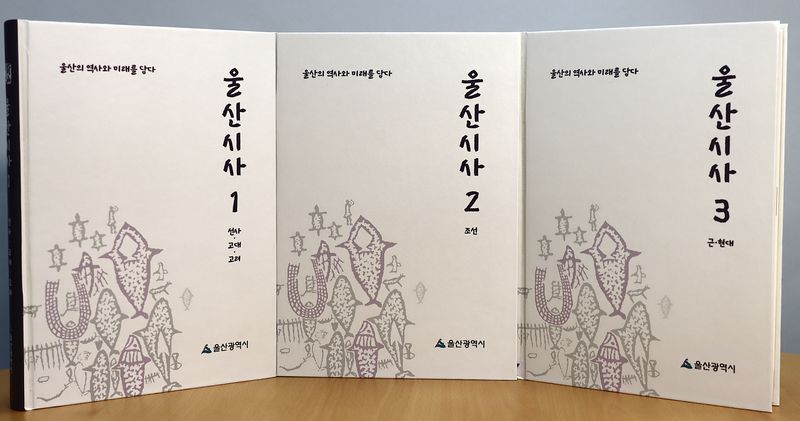
The most notable change is the comprehensive incorporation of archaeological findings. Volume 1, covering the period from prehistoric times through the Goryeo era, systematically organizes sites and artifacts excavated since 2002. It also introduces new archaeological concepts representing Ulsan, including the “Geomdan-ri type” and “Ulsan-style dwelling sites.” The ancient-history section, too, moves beyond a focus on written records to incorporate excavation findings from sites such as Hasamjeong. This sheds light on Ulsan’s distinct standing between Silla and the Kaya confederacy, including establishing that before Ulsan was incorporated into Silla, some areas had been part of the Kaya sphere of influence. The account of the Goryeo period has also been substantially expanded to cover economic matters, historical figures and literature, topics not addressed in the past.
The account of the Joseon period in Volume 2 has been enriched through the use of newly excavated and translated documentary sources. In particular, a detailed analysis of the “Ulsan Household Register” has provided a nuanced picture of local residents’ occupations, shifts in the status structure and the workings of local communities at the time. The section on the Imjin War goes beyond records of battles and righteous-army activities to trace the lives of prisoners of war, the later use of Japanese fortresses, and how memories of the war were passed down and commemorated in later generations, shedding light from multiple angles on the war’s long-term impact on local society. The volume also newly documents the existence and background of hangwae—Japanese people who surrendered to Joseon and settled there—in the Ulsan area during the Joseon period.
The most extensive revisions were made to Volume 3, covering the modern and contemporary periods. It incorporates the results of local-history research conducted to date as well as the digitization of archival materials. The account of anti-Japanese resistance during the Japanese colonial period has been substantially expanded with more details and historical context. Most notably, it gives substantial attention to modern Ulsan after it was elevated to metropolitan-city status in 1997, a period the previous city history had not adequately covered. The volume captures the city’s vivid transformation beyond South Korea’s industrial capital into an ecological and cultural city, including the establishment of local self-government, changes to urban infrastructure and the growth of arts and culture.
Ulsan Metropolitan City hopes the comprehensive history will serve as a firm historical milestone connecting Ulsan’s past and present.
In the foreword, Ulsan Mayor Kim Sang-wook said, “This new edition of Ulsan City History will raise Ulsan’s standing as a historical and cultural city and further strengthen its identity.”
[email protected] Choi Soo-sang Reporter