AI industry on edge over Jensen Huang’s future at Nvidia; funding could dry up
- Input
- 2026-11-10 15:06:25
- Updated
- 2026-11-10 15:06:25
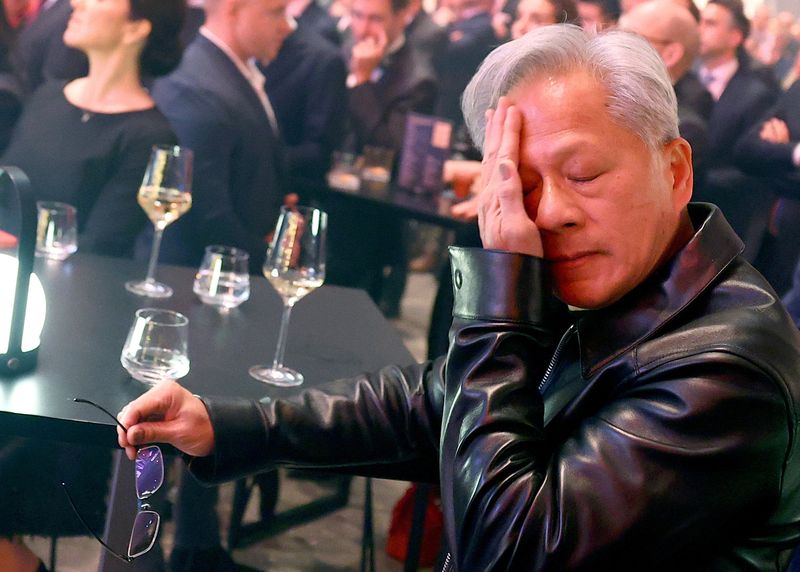
[Financial News] Concerns are mounting that AI investment could contract across the board as U.S. company Nvidia, a force shaping the global artificial intelligence (AI) market, is rocked by a management scandal. Investors expect that Nvidia CEO Jensen Huang will not be forced out immediately, but that his management and investment activities could face constraints.
Stock plunge compounded by class-action lawsuit and government investigation
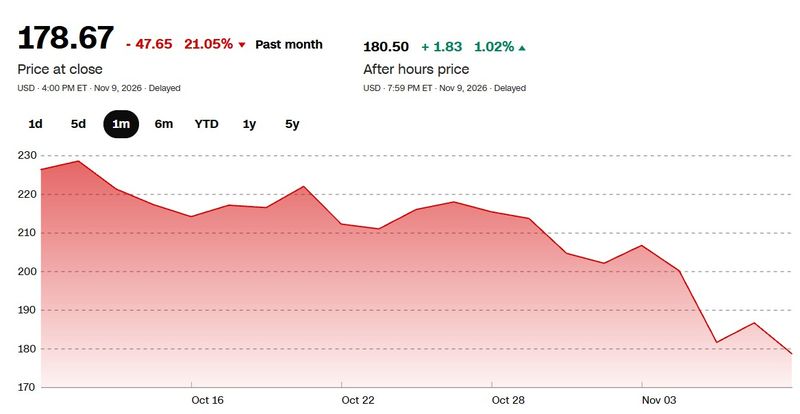
On the 9th (local time), Nvidia shares, listed on Nasdaq, plunged 8.79% intraday before partly rebounding to close at $178.67 per share, down 4.27% from the previous session. The shares continued to fall even as the Nasdaq Composite rose 2.74% that day. Nvidia’s market capitalization fell by about $192.1 billion (about 25.8 trillion won) as a result of the plunge.The previous day, Jensen Huang, 63, acknowledged having an affair with Alice Huang, 42, whom the U.S. government has identified as a spy for China’s Ministry of State Security. Alice Huang, reportedly a former executive at Singapore data-center company Megaspeed International, is suspected of passing information related to Jensen Huang and Nvidia to the Chinese government.
On the 29th of last month, shortly after reports about the matter emerged, Jensen Huang said through a spokesperson that his meetings with Alice Huang were routine business contacts. On the 9th, Rosen, a U.S. law firm specializing in securities, filed a lawsuit against Huang seeking damages for alleged securities-law violations. The plaintiffs were investors who had acquired Nvidia shares between the 9th of last month and the 8th of this month. In their complaint, they said that the stock plunged as allegations of an affair and espionage that Huang had concealed became public, causing them substantial losses, and demanded compensation.
On the 9th, U.S. President Donald Trump said he had spoken with Jensen Huang, adding, “I know the FBI is looking into this matter in connection with another matter, and I think he’ll be fine.” That same day, Senator Elizabeth Warren (D-Mass.), the ranking Democrat on the Senate Banking Committee, urged Huang to appear before Congress and explain the matter himself. On the 5th, the three Republican chairs of the House Foreign Affairs, U.S.-China Strategic Competition, and Intelligence committees sent Huang a joint letter demanding an explanation.
AI industry on edge over Jensen Huang’s future
In a statement on the 8th, Nvidia’s board said it would form an independent committee to investigate the matter. The New York Times (NYT) reported that four of Nvidia’s 10 directors were either associated with a venture capital firm at the time of the company’s founding or executives at partner companies in the 1990s, and said they were close to Jensen Huang. It also said Huang wields enormous influence within the company and that there is no No. 2 executive or successor to replace him. The probability that Huang would leave Nvidia by 2027 was just 17%, according to figures compiled on the 9th by U.S. betting platform Kalshi. Huang canceled all his outside engagements, but was reportedly set to attend the IT forum “Silicon Valley and the World,” which is being held in the United States from the 15th to the 17th.However, Huang’s influence within the company could diminish in the future. He owns about 3.6% of Nvidia but has no special voting rights. If the board or shareholders move to replace the CEO, it would be difficult for him to block the move with his stake alone. Gary Black, a partner at U.S. asset manager Future Fund, said, “I question whether Jensen Huang can hold on to the CEO position,” adding, “Many portfolio managers will reduce their holdings over the coming weeks because of uncertainty about who the next CEO will be.”
Investors are also watching for the possibility that changes in corporate governance or government regulation could alter Nvidia’s current “circular trading” strategy in the wake of the incident.
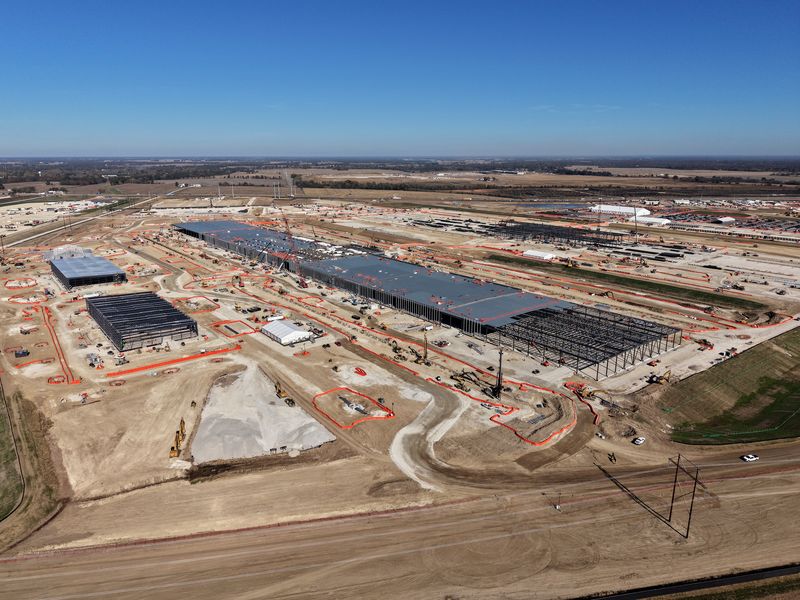
Circular trading is an industry practice in which an AI accelerator manufacturer invests in an AI company that operates its devices, and the AI company then buys the manufacturer’s accelerators. The practice is used not only by Nvidia but also by several other accelerator companies, including AMD, and has been a key source of funding for AI infrastructure investment. Nvidia has also provided what is known as “circular financing,” acting as a financial guarantor for data-center construction by major customers such as OpenAI.
At its annual developer conference last March, Jensen Huang said, “We fund companies we believe will be successful,” adding, “We know they’re going to hit a home run because we can see the business pipeline coming their way.”
[email protected] Park Jong-won Reporter