23 New Nationally Important Science and Technology Materials Registered as a Foundation for K-Science
- Input
- 2026-11-10 11:35:04
- Updated
- 2026-11-10 11:35:04
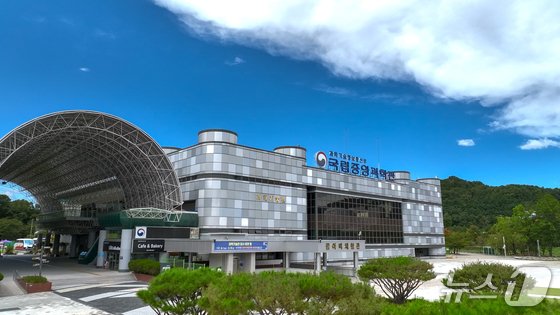
[Financial News] The National Science Museum, a key platform for science and technology communication in Korea, said it had selected 23 National Important Science and Technology Materials for 2026 and would hold a ceremony to present certificates and plaques to the selected materials on the 10th.
The National Important Science and Technology Materials Registration Program is a system for preserving and managing science and technology materials that have contributed to the development of science and technology in Korea and need to be passed down to future generations. Materials are selected and registered after a comprehensive review of their scientific and technological value (including suitability and originality), historical value (including their potential to be passed down), and educational value (including usability).
National Important Science and Technology Materials are finally registered after a process that includes document review, on-site inspections, preliminary review, soliciting opinions, and comprehensive review. A total of 92 items were registered from the program’s introduction in 2019 through last year. With 23 new items added this year, the total will reach 115.
This year’s registered National Important Science and Technology Materials span a wide range, from modern scientific and technological achievements in fields such as robotics and space development to materials that showcase the wisdom of traditional science and technology and the diversity of nature.
The registered robotics-related materials include “Humanoid Robots Maru and Ara,” which operate via a wireless network; “Humanoid Robot Hubo (KHR-3),” Korea’s first fully developed bipedal humanoid robot; an “Industrial 6-Axis Articulated Robot,” which marked the starting point for Korea’s self-reliance in industrial robot technology; and the “Seabed Exploration Robot Crabster (CR200),” the country’s first underwater walking robot.
The astronomy- and space-related materials include “Uri-byul-related Records,” documenting the development and operation of Korea’s first artificial satellite; the “61-cm Telescope at Sobaeksan Observatory,” which laid the foundation for modern observational astronomy in Korea; “Chubo Cheomnye,” a practical guide to astronomical and calendrical calculations in the late Joseon period; and the “Honcheonui and Honcheon Clock,” combining traditional East Asian astronomical instruments with Western clockmaking technology. Together, they showcase the history of science and technology devoted to exploring the sky and time.
The registered nuclear energy- and energy-related materials include “SMART Standard Design Development Materials,” documenting design achievements for an integral reactor, which houses major equipment in a single reactor vessel, and a “Centrifugal Atomization Device for Nuclear Fuel Powder Production,” independently developed to localize production of nuclear fuel used in research reactors.
The registered materials related to traditional science and technology include the “Hamgyong Province Coastal Map,” which records coastal terrain, water depths, and the size of fishing villages, and “Jeungsu Muwonrok Eonhae,” a Hangul rendering of forensic knowledge needed to investigate causes of death and examine bodies. They show how knowledge and technology of the time were put to practical use.
The registered natural history materials include “Liquid-Preserved Specimens of Aquatic Biological Resources from What Is Now North Korea,” collected about 100 years ago and offering important clues for research into the region’s aquatic life and ecosystems in the past; and a specimen of “Janggunseok,” the first new mineral discovered and named by a Korean scholar (Dr. Kim Su-jin) to receive international recognition.
[email protected] Yeon Ji-an Reporter