Seoul’s Supportive Housing Program for Homeless People Marks 10 Years, Providing Homes for 372; Housing Retention Rate at 83.3%
- Input
- 2026-11-10 11:15:00
- Updated
- 2026-11-10 11:15:00
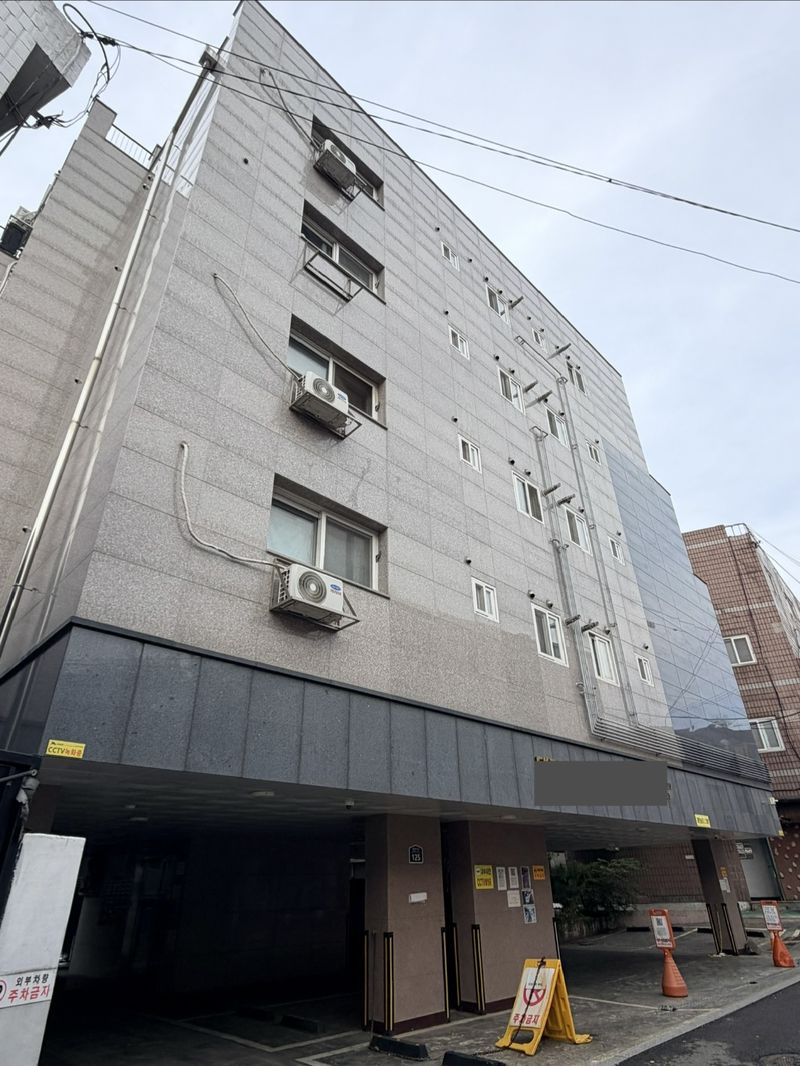
[Financial News] The Seoul Metropolitan Government has provided stable housing to 372 people through its supportive housing program for people experiencing homelessness over the past 10 years. In particular, a survey found that 8 in 10 residents have maintained their housing, either by continuing to live in supportive housing or moving to other rental housing. On the 10th, the Seoul Metropolitan Government said an analysis of its supportive housing program for people experiencing homelessness, which it introduced in 2016 as the first of its kind in the country, found a housing retention rate of 83.3%.
Supportive housing for people experiencing homelessness provides the support needed for daily life, including housing, health care and connections to welfare services. Residents sign rental agreements in their own names and continue living independently with help from dedicated case managers.
The Seoul Metropolitan Government launched a pilot program with 38 units in 2016 and enacted an ordinance on the provision and operation of supportive housing in 2018. It has since gradually increased the number of units and now operates 315 across nine autonomous districts. Of these, 294 are used as housing and 21 as spaces for residents’ group activities. There are currently 263 residents.
Residents live in purchased rental housing provided by the Seoul Housing and Communities Corporation (SH). Monthly rent is about 30% of prevailing market rates, ranging from 60,000 to 350,000 won, and private foundations can help cover the 3 million won deposit. Residents can stay for up to 30 years.
The program has also been found to promote housing stability. The Seoul Metropolitan Government analyzed the housing status of 347 residents, excluding those who had died and others, using data from seven operating organizations. Of these, 264 (75.8%) continued to live in supportive housing. Including 26 people who moved to other rental housing or moved in with family, the housing retention rate reached 83.3%.
Housing retention rates by length of stay were 97.0% at six months, 92.8% at one year and 85.4% at two years. Forty-five percent of residents had experienced homelessness for at least five years, and 22% had experienced homelessness for 10 years or more.
Housing support was also found to have helped to some extent with recovery of health and reintegration into society. Of the 372 residents, 268 had not been admitted to a psychiatric hospital since moving in. Among the 34 residents who took mental health tests before and after moving in, improvements were observed in some indicators, including emotional regulation and self-control.
Examples of economic independence continue to emerge. Among current residents, 50 (19%) work an average of 28.5 hours a week, and 25 were selected as recipients of basic livelihood security benefits after moving in. Fourteen residents who had lost contact with their families were found to have restored those relationships.
The Seoul Metropolitan Government has assigned 47 dedicated case managers to help residents maintain stable lives and provides counseling twice a week. The case managers check residents’ health and living conditions and connect them with the welfare services they need.
The city plans to work with relevant organizations, including SH, to secure additional supportive housing. It also plans to select residents for currently vacant units this coming December to make better use of them.
Jeong Jin-woo, director of welfare at the Seoul Metropolitan Government, said, “Supportive housing for people experiencing homelessness is a policy that goes beyond simply providing a place to stay. It uses housing as a foundation to help people care for their health, restore their daily lives and live in the community. We will continue to provide comprehensive support so that people experiencing homelessness can live stably and settle in their communities.”
[email protected] Seong Cho-rong Reporter