“Gimpo’s specialty? Rice, too—but now probiotics”... A look inside Cell Biotech’s production site
- Input
- 2026-11-10 11:21:23
- Updated
- 2026-11-10 11:21:23
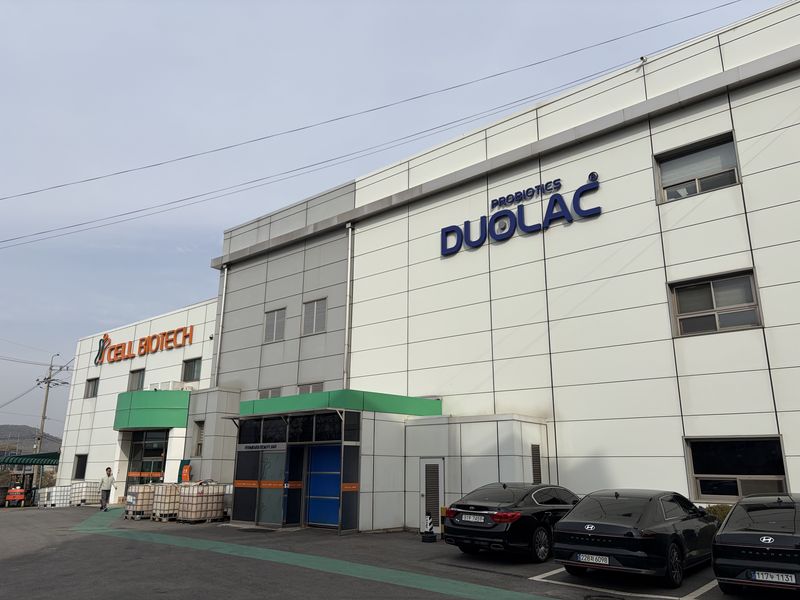
On the 4th, at Cell Biotech’s factory in Wolgot-myeon, Gimpo City, Gyeonggi Province, rows of stainless steel tanks, slightly taller than an adult, stood inside the fermentation building. The tanks, with a capacity of up to 3 metric tons, contained in-house-developed, 100% Korean-made probiotic bacteria multiplying. The building had a faint scent reminiscent of yogurt or makgeolli, and more than 100 quadrillion probiotic bacteria were reportedly produced each day from 10 metric tons of culture medium.
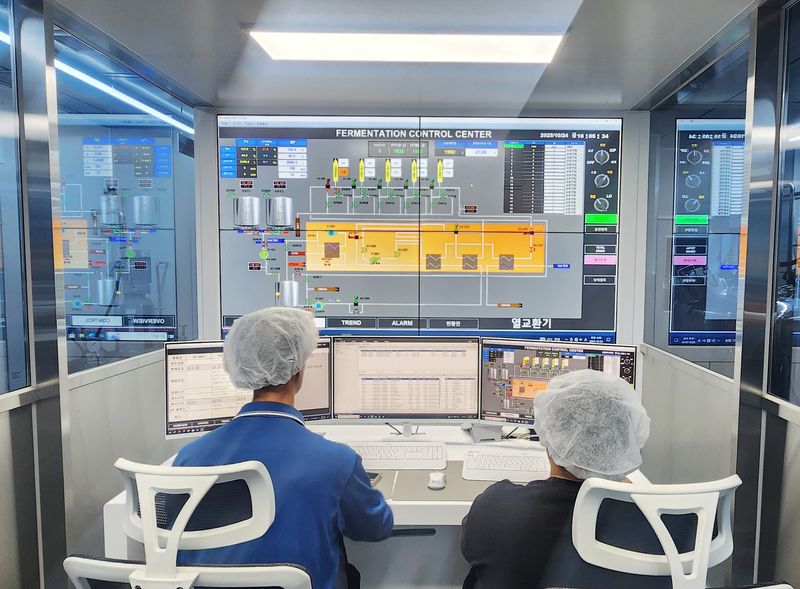
The factory also has an automated control room to precisely adjust fermentation temperature and acidity for each strain. After cultivation, the probiotics pass through a centrifuge to separate out the bacterial cells, then undergo concentration and freeze-drying to become powdered ingredients. The freeze-drying process, which takes about 96 hours, removes moisture while preserving the probiotics’ viability. They are then wrapped twice in proteins and polysaccharides using dual-coating technology. This is Cell Biotech’s core technology for protecting probiotics from stomach and bile acids and helping them reach the intestines alive.
The atmosphere changed when we moved to the finished-product building, a one- to two-minute walk from the fermentation building. Inside, where contaminants were rigorously kept out, ingredients were mixed and dried, then tablets were compressed, inspected and packaged in sequence. Product forms—including tablets, capsules and powders—as well as flavors and packaging vary according to preferences in each country. It is a customized manufacturing system that makes products to meet each client’s specifications.
On the second floor, AI equipment in the inspection process was automatically screening tablets for surface cracks and foreign matter. The system, introduced about seven years ago, learns from images of products that meet standards to identify defects.
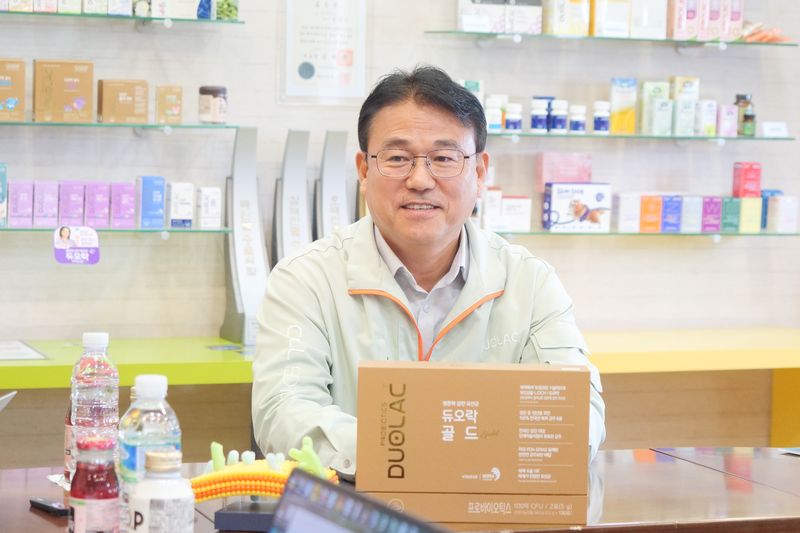
Lee Hyeon-yong, Cell Biotech’s plant manager and director, said, “In the past, we automated only some processes, but advances in technology now allow us to expand automation even in limited spaces,” adding, “We continue to invest in equipment to improve production efficiency and quality control.”
Cell Biotech’s competitive edge lies in its integrated production system, which spans strain discovery, fermentation, ingredient production and finished-product manufacturing. Now in its 31st year since its founding, the company operates five factories in Gimpo and supplies products to 56 countries worldwide. As of January this year, its in-house brand DUOLAC ranked No. 1, with a 46.6% share of the probiotics market in Danish pharmacies, in Denmark, often called the home of probiotics.
The next growth driver is biopharmaceuticals. PP-P8, a colorectal cancer drug candidate discovered during research into gut microbes, is currently undergoing a Phase 1 clinical trial at Seoul National University Hospital. Im Sang-hyeon, deputy director of Cell Biotech’s research institute, described it as “a microbiome drug that uses genetic engineering technology to increase the production of a specific protein.”
The company is also considering expanding its overseas production bases. After expanding into markets such as Indonesia, Türkiye and Germany, Cell Biotech is exploring plans to establish local joint ventures and transfer technology in Southeast Asia and Central Asia to respond to tariffs and trade barriers.
A business launched when even the concept of probiotics was unfamiliar in Korea has now grown beyond the global market into new drug development and the expansion of overseas production bases. The words of one factory employee—“Gimpo’s specialty is no longer rice, but probiotics”—reflected the confidence of a company that has invested in domestic strains and production technology for 31 years.
[email protected] Jung Sang-hee Reporter