“Giving up dating and college to invest in stocks” ... How did young people come to choose “extreme frugality”?
- Input
- 2026-11-10 19:00:00
- Updated
- 2026-11-10 19:00:00
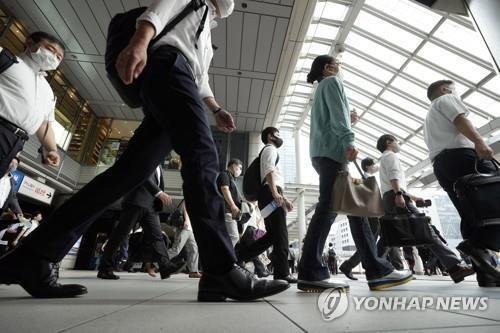
[Financial News] A phenomenon dubbed “NISA poverty”—young people in Japan focusing on investments while practicing “extreme frugality” out of anxiety about their retirement—is spreading.
Japanese young people choose poverty amid “retirement anxiety,” eating frozen udon
“NISA poverty” refers to the phenomenon of people willingly practicing poverty-level, bone-crushing frugality to reach the annual tax-exempt limit of ¥3.6 million (about 30 million won, or ¥300,000 a month) under Japan’s tax-exempt small-investment scheme, the Nippon Individual Savings Account (NISA), and maximize the effects of compound interest.
The case of a 19-year-old company employee identified as A in Tokyo, Japan, reported by the Nihon Keizai Shimbun (The Nikkei) on the 9th, is a typical example. Believing that investing the money that would otherwise go toward tuition would put A in a better position in terms of financial assets than a college graduate, A chose to start working immediately after high school instead of going to university.
A’s annual salary is ¥5.3 million (about 45.06 million won). After investing money saved through frugality along with the ¥3 million (25.5 million won) received from A’s parents instead of going to university, A now has financial assets totaling ¥11 million (about 93.53 million won). This is well above the average financial assets of ¥9.99 million held by single-person households in their 50s in Japan.
What stands out is how A built up those financial assets. A lives an extremely frugal lifestyle, spending just ¥280,000 (about 2.38 million won) from January through October this year. Although employed, A eats breakfast at home and makes do with frozen udon brought from home for lunch. To save money when eating out once a month, A orders a single-item meal costing ¥190 (about 1,600 won) at McDonald’s.
According to The Nikkei, “NISA poverty”—people like A who practice “extreme frugality” and focus intensely on investing—is spreading among young people in Japan. The number of people living in NISA poverty rose sharply after the tax-exempt limit was greatly expanded in 2024. As of the end of 2025, 26% of people in their 20s and 38% of those in their 30s reportedly held NISA accounts.
Investment amounts have risen to more than three times their 2023 level among people in their 20s and to nearly four times that level among those in their 30s. The Nikkei explained that “the background is growing anxiety about the future, including the 20-million-yen retirement problem and distrust of the pension system.”
A 2019 report by the Japanese government’s Financial System Council found that elderly couples would face an average shortfall of ¥20 million (about 170 million won) over 30 years of retirement. The explanation is that anxiety over a retirement-fund shortfall spread after this finding became known.
The Nikkei: “Travel and study are self-investment, more than tightening your belt”
As “NISA poverty” has spread, gatherings where people in similar situations meet to exchange information have recently been held under the name “NISA Poverty Bar Meetup.” B, a male company employee in his 30s who organized one such event, reportedly broke up with his girlfriend so he could focus on investing.
B said he was investing 70% of his income and keeping his annual spending to around ¥1.3 million (about 11.05 million won). He said he told his girlfriend he wanted to break up, saying, “I can’t accept myself when my beliefs about dating and saving clash.”
But concern is growing over the trend of people sacrificing their everyday lives to focus excessively on investing. The Nikkei noted that until quite recently, the prevailing view among young people was that self-investment—through travel, study, and interacting with people in other industries—was necessary to build up their experience and capabilities. It said people should consider what matters more than investing money saved by tightening their belts.
[email protected] Kim Hee-sun Reporter