Trying to lose weight, only to go blind? U.S. FDA mandates warnings for Wegovy and Ozempic
- Input
- 2026-11-10 10:41:59
- Updated
- 2026-11-10 10:41:59

On the 9th local time, the FDA said, "We are requiring drugmakers to add information about the potential increased risk of non-arteritic anterior ischemic optic neuropathy (NAION) to the 'Warnings and Precautions' section for all drugs in the glucagon-like peptide-1 (GLP-1) class."
NAION is a condition known as a 'stroke of the eye' and is the second-leading cause of optic nerve-related blindness after glaucoma. It can lead to permanent blindness when the optic nerve is damaged due to a lack of blood supply.
Earlier, researchers at Mass Eye and Ear, a specialty hospital for ophthalmology and otolaryngology in Massachusetts, found in July 2024 that patients prescribed semaglutide were more likely to develop NAION than those who did not take the drug. They were the first to publish a related paper in the American Medical Association's ophthalmology journal. Semaglutide is the active ingredient in GLP-1 drugs such as Ozempic and Wegovy.
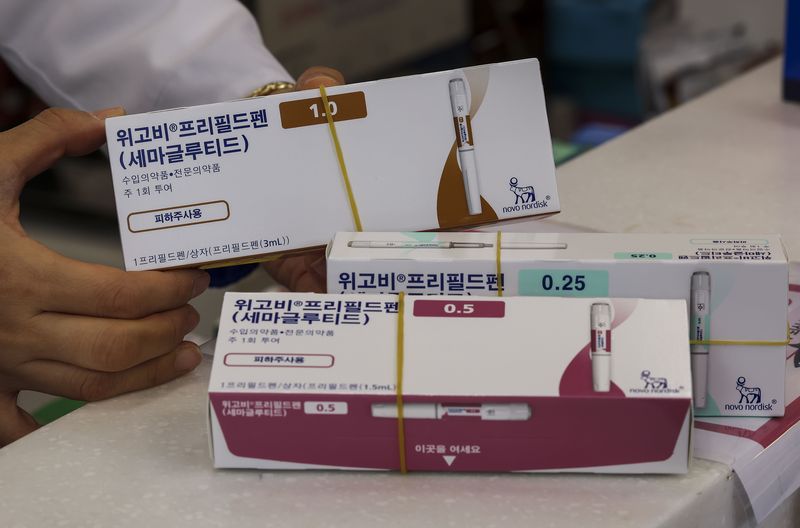
The European Medicines Agency (EMA) had already classified NAION as a 'very rare side effect' of semaglutide in June last year and recommended adding a warning to the product information for related products in Europe.
Commissioner Oh Yu-kyung of the Ministry of Food and Drug Safety also said at a parliamentary audit session of the National Assembly's Health and Welfare Committee held last month, "One suspected case of NAION following administration of a GLP-1 obesity treatment (December 2024) has also been reported in Korea."
[email protected] Hong Chae-wan Reporter