Inspections of high-risk railway vehicle components to be strengthened; duplicate checks to be streamlined
- Input
- 2026-11-10 11:00:00
- Updated
- 2026-11-10 11:00:00
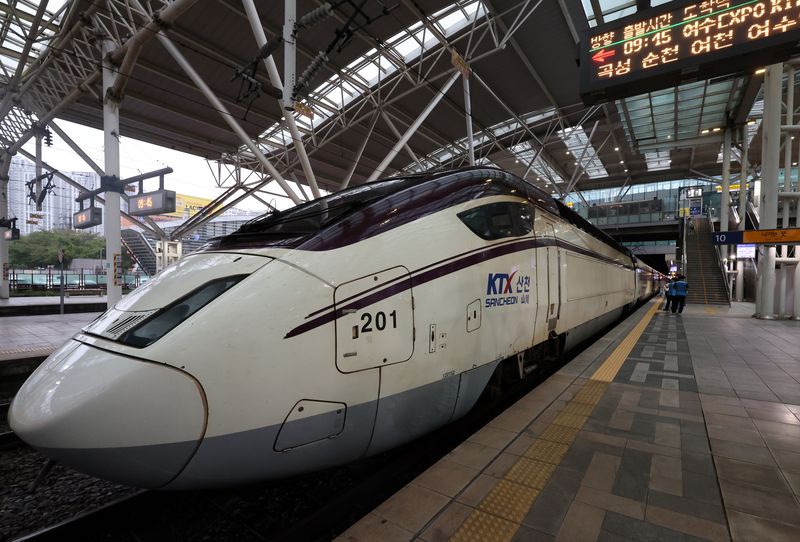
On the 10th, the Ministry of Land, Infrastructure and Transport (MOLIT) announced plans to pursue an “Improvement Plan for the Railway Vehicle Type Approval System.” Since April, MOLIT has operated a subcommittee within a task force on improving the structure of the railway vehicle industry and gathered feedback from the field to develop four key initiatives: strengthening safety verification, streamlining procedures, supporting overseas expansion, and improving manufacturing quality and inspection reliability.
Railway vehicle type approval, introduced in 2014, is a system for confirming whether a vehicle’s design meets national safety and performance standards. Type approval, manufacturer approval and final inspections are used to verify compliance in design and manufacturing, the quality management system, and whether the vehicle was manufactured according to its design.
Major safety components will be classified into four levels according to accident risk. Inspections of high-risk components will be strengthened, while the inspection burden for lower-risk components will be adjusted using manufacturers’ test results and other information. The government plans to establish the classification system by the end of this year, pilot it next year, and then revise technical standards in stages starting in 2028.
When major components are replaced or a design is changed, the impact on the safety of the entire vehicle will also be verified. Verification will also be strengthened for components vulnerable to extreme heat and cold. To this end, the government will draw up an R&D roadmap to advance technical standards by the end of this year and establish a phased system progressing from virtual simulations to laboratory tests and verification under actual operating conditions.
The system will be improved so that components whose safety has been confirmed during type approval are not subjected to the same checks again during subsequent final inspections. Starting next year, a fully digital approval system will be introduced, allowing inspection progress to be tracked in real time.
This December, free preliminary consultations will begin for new manufacturers and importers, as well as companies manufacturing or modifying new vehicle types, among others. The consultations will provide advance guidance on required documents, inspection procedures and estimated timelines.
To support exports, domestic technical standards will be brought into alignment in stages with the European railway Technical Specifications for Interoperability (TSI). The government also plans to seek overseas recognition of domestic test reports to reduce the cost of testing abroad.
Quality management at manufacturing sites will also be strengthened. Previously, international quality certifications could be used in place of regular and ad hoc inspections, but since June this year, on-site inspections have been conducted during the actual vehicle manufacturing period.
Measures to prevent conflicts of interest among inspectors will be pursued in coordination with MOLIT’s “Task Force to End Preferential Treatment for Former Railway Officials.”
“We will strengthen safety verification for components with a high risk of accidents and quality control during vehicle manufacturing, while also improving the fairness and reliability of inspection agencies,” said Kim Tae-byeong, director of the Railway Bureau.
[email protected] Choi Ga-young Reporter