3,565 Caught in Real Estate Crimes Over One Year; Police Target Home-Price Collusion and Fraudulent Transactions
- Input
- 2026-11-10 10:00:00
- Updated
- 2026-11-10 10:00:00
#1. The Anti-Corruption Crime Investigation Unit of the Gyeonggi Bukbu Provincial Police Agency referred 40 people, including brokers who took over the eligibility status of people with hearing impairments to obtain rights to apartments under the special-supply program and then illegally resell or broker their sale. One of them was arrested. Police provisionally secured assets worth a total of 13.93 billion won for forfeiture and collection, including the value of the purchase rights and resale profits.#2. Anseong Police Station in Gyeonggi Province referred 395 land purchasers who obtained false certificates of eligibility to acquire farmland in order to buy 21 plots for speculative purposes despite having no intention of farming, along with three brokers. The farmland totaled 54,666 square meters, and the transaction value came to about 16.8 billion won.
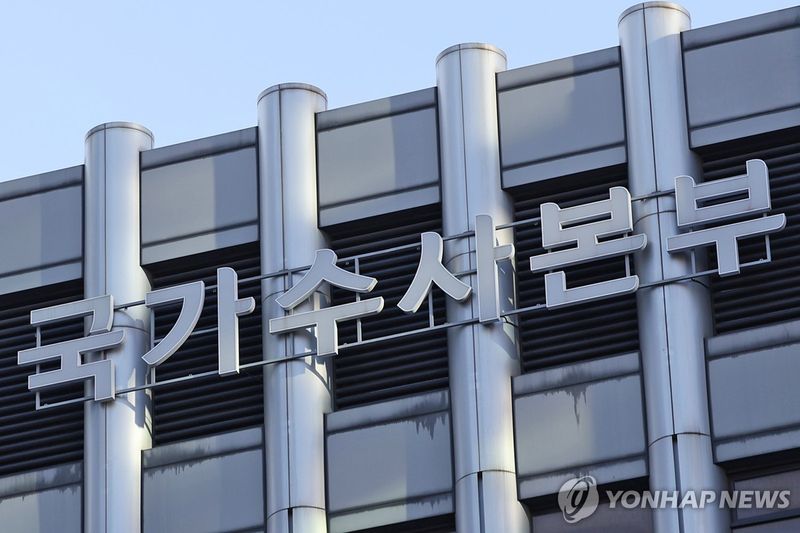
[Financial News] Over the past year, police conducted a special crackdown on illegal real estate activities, identifying more than 3,500 people and arresting 16 of them. This year, they plan to step up investigations into activities that disrupt the real estate market, including collusion to drive up home prices and the manipulation of reported transaction prices, and to focus on recovering criminal proceeds.On the 10th, the National Office of Investigation of the Korean National Police Agency announced that it had identified 3,565 people in its first and second special crackdowns on real estate crimes, conducted from October 17 last year through October 31 this year. Of those, 2,151 were referred to prosecutors and 16 were arrested.
During the first crackdown, from October 17 last year through March 15 this year, police identified 1,493 people, referred 640 to prosecutors and arrested seven. In the second crackdown, conducted from March 16 through October 31, 2,072 people were caught, 1,511 were referred to prosecutors and nine were arrested. The number caught in the second crackdown was 38.8% higher than in the first.
By crime type, farmland speculation accounted for the largest share, with 898 people (25.2%). It was followed by disruption of the housing supply system, with 795 (22.3%); illegal brokerage, including schemes to drive up home prices, with 726 (20.4%); nominee ownership and related offenses, with 616 (17.3%); redevelopment corruption, with 353 (9.9%); speculative real estate schemes, with 169 (4.7%); and speculation using insider information, with eight (0.2%).
The number of people caught for farmland speculation rose 106.5%, from 293 in the first crackdown to 605 in the second—the largest increase among the crime types. The number caught for illegal brokerage, including schemes to drive up home prices, also rose 85.8%, from 254 to 472.
To prevent criminals from retaining their proceeds, police provisionally secured assets worth a total of 14.79 billion won for forfeiture and collection before indictment. They also notified relevant agencies of violations by 616 real estate offenders so that administrative action could be taken.
Under relevant laws, confirmed acts that disrupt the housing supply system, including fraudulent subscription applications, can result in the cancellation of housing supply contracts and restrictions on housing subscription applications for the next 10 years. Violations of prohibited conduct by licensed real estate agents can lead to suspension of their qualifications or cancellation of the registration to open a brokerage office. The fraudulent issuance of certificates of eligibility to acquire farmland can result in orders to dispose of the farmland.
Previous crackdowns uncovered various illegal activities, including collusion among licensed real estate agents, fraudulent housing subscription applications and farmland speculation.
The Anti-Corruption Crime Investigation Unit of the Seoul Metropolitan Police Agency referred to prosecutors the chair and secretary-general of an association of licensed real estate agents, who colluded to ensure that only members handled brokerage transactions, including by imposing fines when members co-brokered with nonmembers.
In a reconstruction-related case investigated by the Seoul Jungnang Police Station, 14 people, including the head of the association, were referred to prosecutors. The head was found to have received cash worth 324 million won from the head of a real estate consulting firm in connection with an undergrounding project and contracts for eco-friendly paint. Police provisionally secured for collection an apartment worth 825 million won purchased with that cash, as well as 30 million won in solicitation money.
In a case investigated by the Busan Gijang Police Station, 39 people, including brokers who bought high-scoring housing subscription accounts to apply for expensive apartments in Seoul’s overheated speculation zones and illegally resold their purchase rights after winning, were referred to prosecutors. One of them was arrested.
Police have extended the existing special crackdown by one year and will conduct a third special crackdown from the 1st through October 31 next year.
For this crackdown, the existing eight categories have been divided into 10. The category previously grouped as illegal brokerage, including schemes to drive up home prices, has been split into price-fixing, falsely inflating reported transaction prices and illegal brokerage, with investigative results tracked separately. The other targets are disruption of the housing supply system; speculation using insider information; reconstruction and redevelopment corruption; speculative real estate schemes; farmland speculation; nominee ownership and resale without registration; and jeonse fraud.
Police plan to designate crime types requiring coordination with government policy as “priority investigation tasks” and respond accordingly, while varying rewards according to crackdown results. They also plan to closely monitor pre-indictment asset preservation for forfeiture and collection, as well as notifications to relevant agencies, to strengthen the recovery of criminal proceeds and follow-up administrative measures.
Police will continue coordinating crackdowns, including information-sharing with relevant agencies such as the Ministry of Land, Infrastructure and Transport, the National Tax Service and the Financial Services Commission, through the “Anti-Illegal Real Estate Practices Inter-Agency Task Force,” led by the Office for Government Policy Coordination.
Hong Seok-gi, head of the National Office of Investigation of the Korean National Police Agency, said, “Illegal real estate activities are serious crimes that threaten the public’s housing stability and undermine fairness in the market.” He added, “In the third special crackdown, we plan to focus even more investigative resources on price-fixing, falsely inflating reported transaction prices and fraudulent housing subscription practices that take away people’s chance to buy a home and fuel price increases.”
[email protected] Kim Ye-ji Reporter