“Samsung Electronics’ operating profit forecast at 1,021 trillion won over the next two years ... U.S. AI regulatory concerns already priced in” — KB Securities
- Input
- 2026-11-10 05:59:00
- Updated
- 2026-11-10 05:59:00
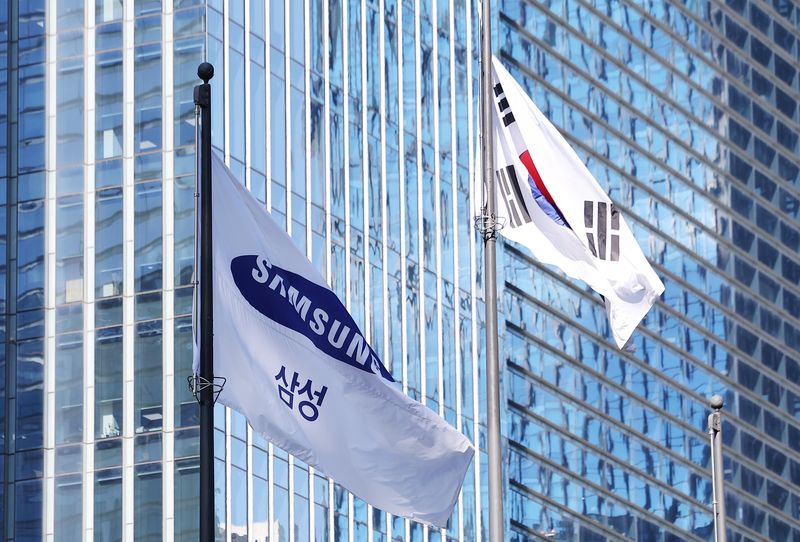
[Financial News] Samsung Electronics shares have fallen at least 50% from their recent peak, but analysts say the potential for a rebound also merits attention given the improving earnings trend. The view is that concerns over U.S. regulation of the artificial intelligence (AI) industry have been overly priced into the stock, while earnings growth is expected to continue as conditions in the semiconductor industry improve.
In a report on Samsung Electronics on the 10th, KB Securities analyzed the reasons behind the recent sharp drop in the share price, saying, “We believe it was the result of intensifying competition for AI financing and concerns about profitability, rather than concerns about earnings, compounded by uncertainty over AI regulation after the midterm elections.”
According to KB Securities, in cases since 2005 when Samsung Electronics shares fell at least 40% from their peak, the share price rose 60 days later in more than 97% of cases. The stock is currently down at least 50% from its peak on June 19.
In contrast to the falling share price, earnings forecasts are being revised upward. KB Securities projected operating profit of 381 trillion won for Samsung Electronics this year and 640 trillion won next year. Those figures represent increases of 774% and 68%, respectively, from the previous year, with cumulative operating profit over the two years expected to reach 1,021 trillion won.
Regarding U.S. regulation of AI data centers, KB Securities judged that regulation would likely be selective rather than amounting to a blanket restriction on investment. Kim Dong-won, head of research at KB Securities, explained, “Until the 2028 U.S. presidential election, the Democratic Party is more likely to favor conditional restrictions on AI data centers than a blanket ban on construction. A typical approach would be to reduce tax benefits for data centers while encouraging big tech companies to bear the increases in electricity bills resulting from the costs of expanding power infrastructure themselves.”
He added, “This is because it would preserve the economic ripple effects and job creation resulting from investment in AI infrastructure while easing voters’ concerns about rising electricity bills and the fiscal burden. Ultimately, selective regulation that meets both the need to sustain AI investment and the goal of easing the burden on voters is expected to emerge as a realistic policy alternative.”
[email protected] Lim Su-bin Reporter