FSS to shorten 20-year accounting review and inspection cycle for listed companies, expand staff and units
- Input
- 2026-11-10 09:30:00
- Updated
- 2026-11-10 09:30:00
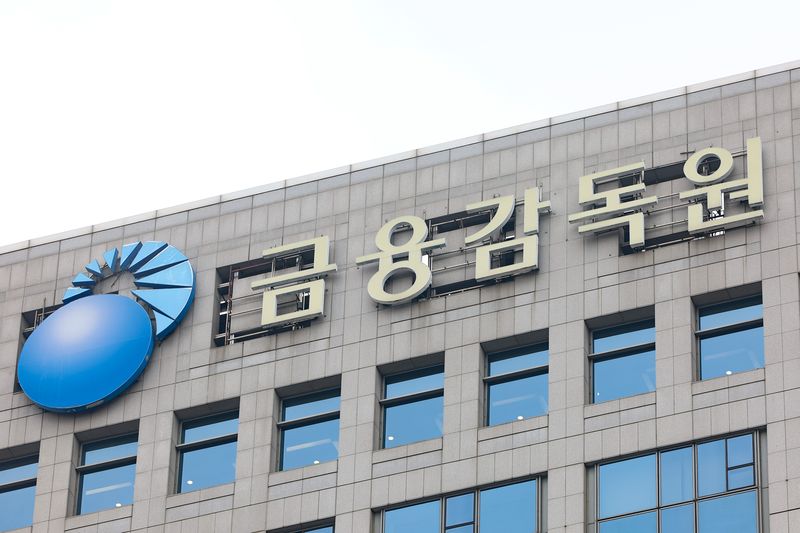
[Financial News] The Financial Supervisory Service (FSS) will significantly shorten the accounting review and inspection cycle for listed companies in South Korea, which currently stands at nearly 20 years. It will selectively review and inspect companies and accounting firms showing signs of poor audits, such as sharp reductions in audit hours.
On the 10th, FSS Governor Lee Chan-jin met with the CEOs of eight accounting firms that conduct external audits of listed companies, as well as accounting experts, to discuss the future direction of accounting oversight.
Lee pointed out that the review and inspection cycle for listed companies in South Korea is about 20 years—far longer than the typical management tenure of three to five years—making it difficult to detect accounting fraud in a timely manner. Accordingly, the FSS plans to expand the teams and staffing responsible for reviews and inspections and establish a regular review system comparable to those in major advanced economies. The United States reviews all listed companies every three years, while the United Kingdom reviews FTSE 350 companies every five years.
The FSS will strengthen its oversight of accounting firms with a focus on audit quality. This follows concerns that competition among accounting firms for audit engagements has recently driven down both audit fees and the hours devoted to audits, potentially lowering audit quality.
The average audit fee for listed companies fell 4.5%, from 264 million won in 2022 to 252 million won last year. Over the same period, average audit hours also declined 4.5%, from 2,458 to 2,348 hours.
The FSS plans to select companies and auditors showing signs of poor audits, such as excessive declines in audit hours, for review and inspection. It will also continue to monitor whether the Audit Quality Oversight Committees to be established at large accounting firms are fulfilling their roles.
A “zero-tolerance principle” will apply to intentional accounting fraud. The FSS recently raised surcharges for deliberate accounting fraud and strengthened sanctions for acts that obstruct audits, reviews and inspections. Since it abolished the cap on rewards for reporting accounting fraud starting this year, related tips have also risen sharply compared with the past.
The FSS will also strengthen accountability for deficiencies in accounting firms’ internal controls. Rather than treating such cases solely as individual accountants’ misconduct, it will demand firm-level remedies and pursue institutional improvements to enable it to hold accounting firms and their executives more broadly and firmly accountable for their management and oversight responsibilities.
The FSS will also support the adoption of Accounting Standard No. 1118, “Presentation and Disclosure in Financial Statements,” which takes effect in 2027. As the new standard will change the basic structure of the income statement, Lee urged accounting firms to build their own expertise and carry out external audits diligently.
Lee also called for stronger information security as digital auditing techniques using artificial intelligence (AI) and other technologies become more widespread. He said accounting firms should reexamine their security systems to prevent important corporate information collected during audits from being leaked or misused.
Participants at the meeting called for improvements to review and inspection methods and procedures, and for support for the digital audit environment.
[email protected] Lee Jeong-hwa Reporter