Labor Ministry: Increase in Workdays Lost Not Due to N% Bonus Demands; Hyundai Motor, Up More Than 700%, Accounts for 60%
- Input
- 2026-11-09 16:11:15
- Updated
- 2026-11-09 16:11:15
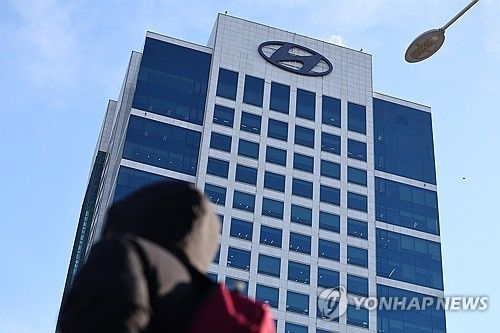
The Ministry of Employment and Labor said on the 9th, in a press clarification on the matter, that “it is difficult to conclude that demands for N% performance bonuses directly led to an increase in workdays lost.”
As of the end of September this year, workdays lost stood at 489,190, up about 45.3% from the same period a year earlier. Workdays lost is an indicator that measures in workdays the social losses caused by labor disputes such as strikes. It is calculated by multiplying the number of strike participants by the number of strike hours during the strike period, then dividing the result by the number of working hours in a day (an average of 8 hours).
Concerns about an increase in workdays lost are mounting as the Yellow Envelope Act (the amended Trade Union and Labor Relations Adjustment Act) takes effect this year and demands for N% performance bonuses pour in, particularly from unions at large companies. On the 8th, the Korea Enterprises Federation also released a report on labor-management relations containing these figures, identifying the spread of demands for an N% share of performance bonuses as one of the main features of labor-management conflicts this year.
According to the Ministry of Employment and Labor, workdays lost by year, as of the end of September, rose gradually from 254,197 in 2023 to 296,111 in 2024 and 336,800 in 2025, before jumping to 489,190 this year. In response, the ministry said that the cause was “labor disputes related to routine wage and collective bargaining negotiations at one specific large company.”
The claim is that Hyundai Motor Company, which went through a strike amid demands including a 30% share of net profit and an extension of the retirement age, accounted for 60% of all workdays lost, with 292,500 days. Workdays lost at Hyundai Motor Company increased by more than 700%, from 41,000 last year to 292,500 this year. The claim is that this surge at Hyundai Motor Company accounted for about 60% of all workdays lost this year, while the figure excluding the company (237,690 days) was lower than the previous year.
The Ministry of Employment and Labor said that some company unions had demanded N% performance bonuses as one of various demands during wage and collective bargaining negotiations. However, it assessed that “the major semiconductor company where demands for N% performance bonuses were an issue reached a settlement without a strike, while other workplaces have settled performance bonuses through labor-management consultations in customary ways and on customary terms. Labor negotiations at all five automakers, whose impact on upstream and downstream industries is substantial, and at six of the seven shipbuilding companies were settled at customary and reasonable levels.”
The Ministry of Employment and Labor also noted that the number of labor disputes as of September was on a downward trend compared with previous years. The annual number of labor disputes as of September fell from 182 in 2023, 97 in 2024 and 99 in 2025 to 88 this year. The ministry added, “The government will continue its active and sustained guidance and support efforts to maintain this year’s trend toward stable labor relations and prevent labor conflicts from escalating.”
[email protected] Kim Jun-hyeok Reporter