“Rental-car companies won’t get their asking price in full” ... Supreme Court: “Must assess whether the rented car and the accident-damaged car have the same use value”
- Input
- 2026-11-09 11:21:12
- Updated
- 2026-11-09 11:21:12
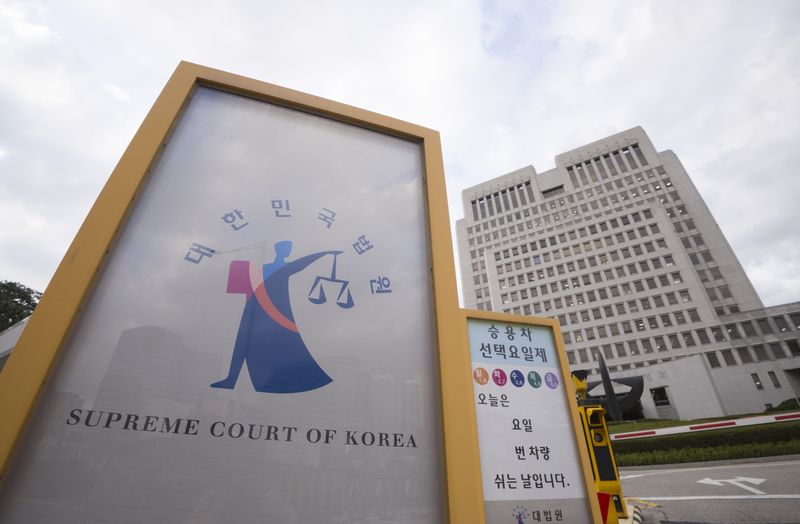
According to legal circles on the 9th, the Supreme Court’s Second Division (with Justice Park Young-jae assigned to the case) on the 8th of last month overturned a lower court ruling in favor of a rental-car company that had sued a property and casualty insurer for rental fees, and remanded the case to the Suwon District Court. Four other cases involving the same issue were also overturned and remanded that day.
The company lent cars to traffic-accident victims while their vehicles were being repaired and received an assignment of the victims’ rights to claim and collect rental fees from the insurers. It later claimed about 361.51 million won in rental fees, but the insurer paid only about 200.48 million won, calculated under the policy, and the company sued for the remaining about 161.02 million won.
The issue was what standard should be used to calculate rental fees. The standard terms for automobile insurance, which took effect in April 2016, changed the recognized amount for rental fees to “the lowest rate among rental cars in the same class,” defining “same class” as vehicles with similar engine displacement and model year. The insurer countered that imported cars, too, should be benchmarked against domestic cars with the same engine displacement and model year.
The first-instance court ruled in favor of the company. It found that the company’s claim—based on rental rates for domestic or imported cars identical to or of the same type and class as the damaged vehicles, with a 30% discount—fell within a reasonable range in light of industry rates and customary business practices. The appellate court also dismissed the appeal.
The Supreme Court confirmed that courts are not bound by the payment criteria in insurance policies. It said, “The insurer’s liability under the right of direct claim is recognized only within the limits of the insurer’s liability under the insurance contract; this does not mean that a court is bound by the payment criteria in the comprehensive automobile insurance policy when calculating the amount of damages the insurer must compensate the victim for.”
However, the court set out a separate standard. It said rental costs should be calculated based on “the amount it would cost to rent, in the rental market and for a reasonable period during which a replacement car is needed, a vehicle with the same objective use value as a substitute.” If cars with the same manufacturer, model, engine displacement and model year were generally available in the rental market, their rates would be the standard. If not, the court should consider specifications, performance, replacement value and other factors to determine whether the cars had the same use value. It also said the amount could be reduced to account for the difference in model year if a new car was rented instead of an older one.
The court said that in most instances the rental cars in this case were made by a different manufacturer and were a different model from the damaged cars, and that even where they matched, there was no evidence that their engine displacement and model year also matched. It criticized the lower court for awarding the company its full claim without examining those issues. The court also said the burden of proving that a rental car was necessary and that the cost was reasonable rested with the victims who rented the cars.
[email protected] Kim Dong-gyu Reporter